
Pests and Diseases
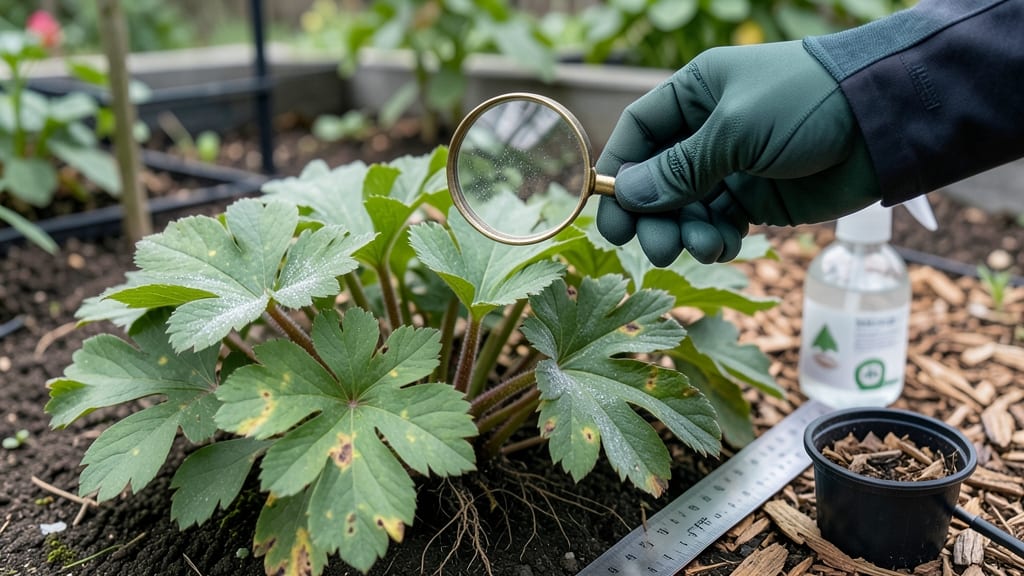
Japanese anemone leaf problems like sticky, discolored foliage can ruin your garden's late-season drama. 🌿 I've seen these stunning blooms turn into sad, splotchy messes—until I learned the hidden causes behind the stickiness and how to fix them fast.
The culprits are usually fungal infections (like powdery mildew or bacterial leaf spot) or pest damage from slugs and snails. These issues thrive in humid conditions and crowded plants, turning your anemones' lush leaves into sticky, unsightly traps.
With the right approach, you'll restore those leaves to their vibrant green within weeks. I'll show you how to identify the problem, remove the damage, and prevent future outbreaks—so your anemones stay healthy and put on their signature fall show.
First, isolate affected plants to stop the spread. Then, wipe leaves with a damp cloth to remove sticky residue, and prune severely damaged foliage. For fungal issues, a baking soda spray (1 teaspoon per quart of water) works wonders—just add a drop of dish soap as a surfactant.
Prevention is key: space plants for airflow, water at the base (not overhead), and remove debris where pests hide. A neem oil spray every 2 weeks keeps fungal spores and pests at bay without harsh chemicals.
Even if your anemones look rough now, they bounce back faster than you'd expect. With these steps, you'll protect next year's blooms and keep your garden looking effortlessly elegant—just like the pros.
Root Causes of Leaf Troubles
Japanese anemones (Anemone × hybrida) are prized for their delicate blooms and lush foliage, but their leaves can become a battleground for pests, diseases, and environmental stressors. Understanding the why behind these issues is the first step to restoring your plant’s health.
Below, we break down the most common culprits—backed by science—and explain how they trigger leaf problems.
Japanese anemones thrive in cool, moist conditions, but when their environment veers too far from these ideals, their leaves react with visible distress.
Overheating or Drought Stress
When temperatures climb above 85°F (29°C) or soil dries out, anemones respond with:
- Wilting or crispy edges (from transpiration exceeding water uptake).
- Yellowing between veins (chlorosis), as the plant prioritizes root survival over leaf function.
- Premature leaf drop to conserve energy.
Why it happens: Anemones are mesophytes, meaning they prefer moderate moisture. In drought, their stomata (leaf pores) close to prevent water loss, but this also blocks gas exchange, leading to oxygen deprivation and leaf necrosis. Heat stress further denatures enzymes in chlorophyll, accelerating yellowing.
Actionable fix:
- Mulch with 2–3 inches of organic matter (e.g., shredded bark) to retain moisture.
- Water deeply 1–2 times per week (check soil 2 inches down—it should feel damp, not soggy).
- Provide afternoon shade in hot climates (use shade cloth if needed).
Excess Moisture and Root Rot
While anemones love moisture, waterlogged soil creates the perfect storm for root rot (Phytophthora or Pythium fungi).
Symptoms include: - Dark, mushy stems at the base. - Yellowing leaves that stay limp, even when watered. - Foul-smelling soil (a red flag for anaerobic bacteria).
Why it happens: Anemones have fibrous but sensitive roots that suffocate in anaerobic conditions (no oxygen). Fungal pathogens thrive in saturated soil, blocking water and nutrient uptake. The plant’s ethylene production spikes, signaling leaf senescence (premature aging).
Actionable fix:
- Amend soil with perlite or coarse sand to improve drainage.
- Ensure pots have drainage holes (or plant in raised beds).
- Water only when the top 1–2 inches of soil are dry—use a moisture meter if unsure.
Japanese anemones attract pests that feed on sap, chew tissue, or spread diseases. Here’s how they wreak havoc:
Aphids and Spider Mites
- Aphids (green/black) cluster on new growth, excreting sticky honeydew that fosters sooty mold.
- Spider mites (tiny red/yellow dots) pierce cells, causing silver stippling and leaf curling.
Why it happens: These pests target soft, tender leaves because they lack protective hairs (unlike some other perennials). Aphids thrive in crowded plants, while spider mites love dry, dusty conditions (they’re more active when humidity drops below 40%).
Actionable fix:
- Blast off aphids with a strong stream of water (disrupts their grip).
- Neem oil spray (1 tsp per quart of water) smothers mites and deters future infestations.
- Release ladybugs (natural predators) or use insecticidal soap for severe cases.
Japanese Beetles
These skeletonizing pests chew notches in leaf edges, leaving a lacy pattern. Heavy infestations can defoliate plants entirely.
Why it happens: Japanese beetles are drawn to scent compounds in anemone leaves (like those in roses). They feed in groups, overwhelming the plant’s defenses. Their larvae (white grubs) also damage roots, weakening the plant’s ability to support leaf growth.
Actionable fix:
- Handpick beetles into soapy water (do this in the early morning when they’re sluggish).
- Apply milky spore powder (a natural bacteria that targets grubs in the soil).
- Plant traps like marigolds or trap crops (e.g., evening primrose) to divert them.
Fungal spores and bacteria lurk in soil, water, or old plant debris, waiting for the right conditions to infect anemones.
Powdery Mildew
- White, powdery patches on leaf surfaces.
- Stunted growth and premature leaf drop.
Why it happens: This fungus (Erysiphe spp.) spreads in humid (70–90% RH) but dry conditions. It blocks stomata, reducing photosynthesis and causing chlorotic spots. Spores are windborne, so crowded plants are high-risk.
Actionable fix:
- Space plants 18–24 inches apart for airflow.
- Apply baking soda spray (1 tsp baking soda + 1 quart water + a drop of soap) weekly.
- Water at the base (avoid wetting foliage).
Leaf Spot Diseases
- Dark, circular lesions with yellow halos (often caused by Septoria or Alternaria).
- Lesions may drop out, creating "shot-hole" patterns.
Why it happens: These fungi invade through stomata or wounds, thriving in wet foliage (from overhead watering or rain). High humidity encourages spore germination, while poor sanitation (leaving infected leaves) spreads the problem.
Actionable fix:
- Remove infected leaves immediately (sterilize pruners with rubbing alcohol).
- Fungicide spray (copper-based or potassium bicarbonate) every 7–10 days.
- Avoid late-day watering—water by 6 PM to allow foliage to dry.
Yellowing or discolored leaves can signal nutrient imbalances, often tied to soil pH or poor fertility.
Nitrogen Deficiency (Yellowing Lower Leaves)
- Older leaves turn yellow (then brown) while new growth stays green.
- Stunted stems and small, pale leaves.
Why it happens: Anemones are heavy feeders and deplete nitrogen (N) quickly. If soil pH is too high (alkaline), nitrogen becomes unavailable (locks out by calcium). Microbes that fix nitrogen also struggle in compacted or waterlogged soil.
Actionable fix:
- Test soil pH (ideal: 6.0–7.0 for anemones).
- Apply compost or a balanced fertilizer (10-10-10) in early spring.
- Side-dress with blood meal (high-nitrogen organic option).
Magnesium Deficiency (Interveinal Chlorosis)
- Yellowing between veins (but veins stay green).
- Crinkled or cupped leaves.
Why it happens: Magnesium is mobile in the plant, so deficiency shows in older leaves first. It’s often washed out by overwatering or outcompeted by high potassium/calcium. Anemones also can’t uptake magnesium efficiently in cold soils.
Actionable fix:
- Apply Epsom salt (1 tbsp per gallon of water) as a foliar spray or soil drench.
- Mulch with dolomitic lime (raises magnesium levels over time).
- Avoid over-fertilizing with potassium (it inhibits magnesium uptake).
Sometimes, well-intentioned gardening habits backfire. Here’s how:
Over-Fertilizing (Burnt Edges or Leaf Scorch)
- Brown, crispy leaf margins (like a "fried" appearance).
- Wilting despite moist soil.
Why it happens: Anemones are light feeders—too much fertilizer (especially high salt content) disrupts osmosis in root cells. Excess salts draw water out of leaves, causing desiccation. Over-fertilizing also attracts pests (like aphids) that thrive on stressed plants.
Actionable fix:
- Flush soil with water to leach excess salts (let it run
Quick Fixes for Healthy Japanese Anemone Leaves
Japanese anemones (Anemone hupehensis and Anemone × hybrida) are stunning perennials, but their leaves can fall victim to pests, diseases, or environmental stress. The good news? Most issues have simple, effective solutions—if you act fast.
Below, we’ve mapped out the most common problems and the step-by-step fixes to restore your plant’s lush, vibrant foliage. Plus, we’ll share prevention tips to keep your anemones thriving long-term.
If your Japanese anemone leaves are turning yellow—especially along the edges or between veins—it’s often a sign of overwatering or poor drainage. Yellowing can also indicate a magnesium or nitrogen deficiency, which weakens the plant’s ability to produce chlorophyll.
💡 Fix It: Adjust Water & Boost Nutrition 1. 👨🍳 Check the Soil Moisture
- Stick your finger 2 inches deep into the soil. If it’s soggy, your plant is getting too much water.
- Solution: Let the top 1–2 inches of soil dry out between waterings.
Japanese anemones prefer moist but well-draining soil—never waterlogged.
- 🌡️ Improve Drainage (Critical Step!)
- Amend heavy or clay soil with compost or perlite (1 part compost to 3 parts soil).
- If planting in containers, use a mix of potting soil + sand or orchid bark (50/50 ratio).
- 📊 Fertilize for a Green Revival
- For nitrogen deficiency: Apply a balanced fertilizer (10-10-10) or a fish emulsion in early spring.
- For magnesium deficiency: Sprinkle Epsom salt (1 tbsp per gallon of water) every 4–6 weeks during the growing season.
- ✨ Prevention Tips
- Mulch around the base with organic mulch (2–3 inches) to retain moisture without suffocating roots.
- Avoid watering leaves (use drip irrigation or soaker hoses) to prevent fungal issues.
Brown, crispy leaf edges are usually a cry for water or a warning that your anemone is struggling with heat or low humidity. This is common in hot, dry climates or during summer droughts.
💡 Fix It: Hydrate & Protect from Scorching
- 🔥 Water Deeply (But Less Often)
- Water slowly and deeply until the soil is moist 6–8 inches down. Shallow watering encourages weak roots.
- Morning watering is best—it reduces evaporation and gives leaves time to dry before nightfall.
- 🌿 Provide Shade Relief
- If your anemone is in a hot, sunny spot, provide afternoon shade (use shade cloth or plant near taller perennials).
- Move potted anemones to a sheltered location during heatwaves.
- 💦 Boost Humidity (For Container Plants)
- Place pots on a tray of pebbles + water (evaporation increases humidity).
- Mist leaves lightly in the morning (avoid evening misting to prevent fungal growth).
- ✨ Prevention Tips
- Group anemones with other moisture-loving plants (like hostas or ferns) to create a microclimate.
- Mulch heavily (3–4 inches) to lock in moisture and cool roots.
Tiny holes, ragged edges, or skeletonized leaves? You’re likely dealing with slugs, snails, aphids, or Japanese beetles. These pests can defoliate anemones quickly if left unchecked.
💡 Fix It: Trap, Remove, or Repel Pests
- 🔪 Manual Removal (Best for Slugs & Beetles)
- Slugs/snails: Handpick at night (they’re most active then) or set up beer traps (bury a shallow dish filled with beer).
- Japanese beetles: Drop them into soapy water after shaking them off leaves.
- 🌿 Organic Sprays (Safe & Effective)
- Aphids: Spray with neem oil (1 tsp + 1 quart water + a drop of dish soap). Reapply every 5–7 days.
- Beetles: Use kaolin clay (Surround WP) as a barrier—it coats leaves and deters feeding.
- 🎯 Long-Term Prevention
- Physical barriers: Use copper tape around pots or diatomaceous earth (food-grade) around the base.
- Plant companions: Surround anemones with garlic, chives, or thyme—their scent repels pests.
- Cleanup: Remove fallen leaves and debris where pests hide.
Dark, circular spots with yellow halos? Your Japanese anemone may have leaf spot disease or powdery mildew, often caused by overhead watering or poor airflow.
💡 Fix It: Fungal Cleanup & Airflow Boost
- 🚿 Prune & Disinfect
- Remove all infected leaves (don’t compost them—dispose in the trash).
- Sterilize pruners with rubbing alcohol (70% or higher) between cuts.
- 🌡️ Improve Air Circulation
- Space plants 12–18 inches apart to allow airflow.
- Avoid dense mulch layers—keep it 2–3 inches thick.
- 💊 Fungal Treatments
- Baking soda spray: Mix 1 tsp baking soda + 1 quart water + a drop of soap. Spray every 7–10 days.
- Copper fungicide: Use Bonide Copper Fungicide as a last resort (follow label instructions).
- ✨ Prevention Tips
- Water at the base (never overhead).
- Choose resistant varieties like Anemone × hybrida ‘Honorine Jobert’ (more disease-tolerant).
- Avoid wetting foliage when watering.
With these targeted fixes, your Japanese anemone should bounce back in 2–4 weeks. The key is acting early—whether it’s adjusting water habits, ridding pests, or tweaking sunlight. Once you’ve revived your plant, focus on prevention to keep those leaves lush and problem-free!
Frequently asked questions
Why are my Japanese anemone leaves turning sticky?
Sticky leaves usually mean aphids or sooty mold from fungal infections. Aphids excrete honeydew that attracts mold. Wipe leaves with soapy water and spray with neem oil (1 tsp per quart of water) to eliminate pests. For fungal issues, use a baking soda spray (1 tsp baking soda + 1 quart water + soap).
How do I tell if my anemone has powdery mildew vs. leaf spot?
Powdery mildew appears as white, powdery patches on leaf surfaces, while leaf spot shows as dark, circular lesions with yellow halos. Mildew thrives in humid but dry conditions, while leaf spot needs wet foliage. Space plants for airflow and avoid overhead watering to prevent both. Remove infected leaves immediately.
Can I save my anemone if the leaves are severely damaged?
Yes, but act fast! Prune only the most damaged leaves (never more than 1/3 of the plant) and focus on fixing the root cause. Improve drainage, adjust watering, and apply organic treatments. Healthy roots can regrow foliage within 4-6 weeks. For fungal issues, isolate the plant to prevent spread to other garden areas.
What's the best organic treatment for slug damage?
For slugs, use beer traps (bury a shallow dish with beer) or create barriers with copper tape around pots. Handpick slugs at night when they're active. For prevention, keep the area around your anemones clean and dry, as slugs hide in moist debris. A sprinkling of diatomaceous earth also works as a natural deterrent.
How often should I fertilize Japanese anemones?
Feed lightly in early spring with a balanced fertilizer (10-10-10) or compost. Avoid fertilizing in summer when the plant is dormant. For magnesium deficiencies, use Epsom salt (1 tbsp per gallon of water) every 4-6 weeks during growing season. Over-fertilizing causes leaf burn, so always follow package instructions.