
Pests and Diseases
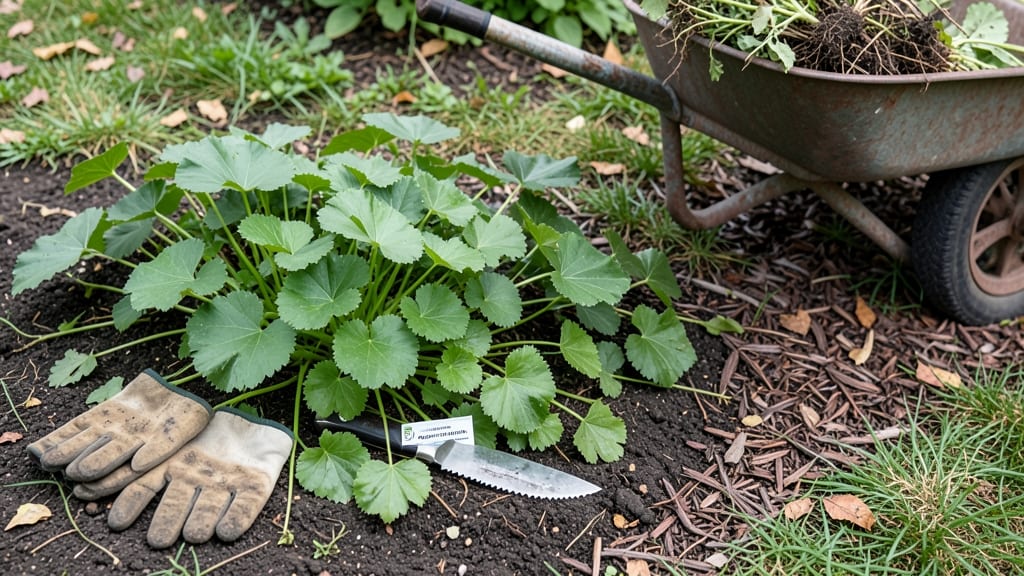
Bindweed creeping through my vegetable patch taught me that large leaf weeds UK gardens face aren't just nuisances—they're persistent invaders with deep roots and relentless growth. 🌱 I've battled ground elder, dock, and bindweed for years, and I'm sharing the organic methods that finally gave me control without toxic chemicals.
The key is understanding each weed's behavior: bindweed twines aggressively, ground elder spreads through underground runners, and dock thrives in disturbed soil. Manual removal works best when you target them at the right life stage—before they flower and set seed.
A sturdy fork, sharp secateurs, and persistent effort make all the difference. You'll see visible progress within 2-3 weeks of consistent removal, with your garden beds looking cleaner and healthier. The soil stays undisturbed, beneficial organisms thrive, and you avoid the chemical residue that harms future crops.
Works for any UK garden, from cottage plots to allotments. Here's how to tackle them organically!"
📚 In This Guide
- What you need
- Instructions
- Tips and common mistakes
- Wrapping up and next steps
What you need
- ● Garden gloves – Heavy-duty, waterproof (1 pair). Pro tip: 💡 Choose breathable fabric to avoid sweaty hands!
- ● Hand weeder or dandelion digger – Sturdy, stainless steel (1-2 units). Look for ergonomic handles for comfort.
- ● Sharp garden shears or pruners – Bypass-style (1 pair). ✨ Keep blades clean to prevent rust.
- ● Organic mulch – Straw, wood chips, or leaf mold (5-10 kg bag). 🌡️ Aim for 2-3 inches thick for best results.
- ● Boiling water – Kettle or large pot (for spot treatment). ⚠️ Use cautiously—only on small, isolated weeds!
- ● Vinegar (5% acetic acid) + dish soap + water – 1 gallon vinegar + 1 tbsp soap + 1 gallon water (homemade spray). 🎯 Best for dense weed patches.
- ● Corn gluten meal – 10-20 lb bag (pre-emergent weed preventer). 💪 Apply in early spring for long-term control.
- ● Hoe or stirrup hoe – For larger garden areas (1 unit). 🔥 Great for slicing weeds at the root.
- ● Kneeling pad – For comfort during long sessions (1 pad). 😋 Your knees will thank you!
- ● Wheelbarrow – For hauling mulch or debris (1 unit). ⏰ Saves time and back strain.
- ● Spray bottle – For targeted vinegar applications (1-2 bottles). 🌿 Perfect for cracks in paving or tight spots.
- ● Check the weather—avoid treating weeds in direct sunlight or extreme heat (vinegar can burn plants).
- ● Wear eye protection when using boiling water or shears.
- ● Test your vinegar mix on a small, inconspicuous plant area first to avoid damage.
- ● Work during early morning or late afternoon to reduce evaporation of organic sprays.
Step-by-Step guide to organic large leaf weed eradication
Here's how I tackle stubborn broadleaf weeds without chemicals or harming your garden's ecosystem.
🌱 Step 1: Identify and Prepare the Target Area
Start by examining your garden for large leaf weeds like groundsel, dock, or plantain. These weeds thrive in moist, disturbed soil, so focus on areas where they're most concentrated. I like to work in small sections—about 3 feet by 3 feet—to avoid missing any hidden roots or seeds.
Clear away any debris or mulch from the area. This exposes the weeds' full structure and makes it easier to spot their root systems. Use a hand fork or small trowel to gently loosen the soil around the weeds. Avoid digging deeply, as this can spread buried weed seeds or damage nearby plants.
💧 Step 2: Apply Targeted Organic Weed Killers
For organic eradication, I use a mix of vinegar (20% acetic acid or higher), dish soap (1 tablespoon per gallon), and boiling water. This combination breaks down the weed's cell structure without harming most plants. Apply the solution directly to the leaves of the large leaf weeds, ensuring full coverage.
I prefer to do this on a sunny day when temperatures are above 60°F. The heat enhances the vinegar's effectiveness. Watch for the leaves to wilt within 24 hours—this confirms the treatment is working. Repeat the application every 3-5 days until the weeds are completely brown and crispy.
✂️ Step 3: Physically Remove the Weeds
Once the weeds are fully desiccated, use a pair of garden gloves and a small hand fork or trowel to pull them out by the roots. Grasp the base of the weed and wiggle it gently to dislodge it from the soil. If the root breaks off, dig deeper to ensure you remove as much of it as possible—this prevents regrowth.
I always check the soil around the area for any remaining root fragments or seeds. If you spot any, remove them immediately. Place the weeds in a sealed bag or compost bin—never leave them on the garden bed, as they can decompose and release seeds.
☀️ Step 4: Prevent Regrowth with Natural Barriers
After removing the weeds, cover the area with cardboard or thick layers of newspaper to block sunlight from reaching any hidden seeds. Secure the edges with rocks or mulch. This solarization method kills remaining weed seeds and prevents new growth.
Once the cardboard decomposes (after 4-6 weeks), replace it with a thick layer of organic mulch, such as straw or wood chips. Mulch suppresses weeds by blocking light and gradually enriches the soil. Keep the mulch layer at least 2-3 inches deep to maximize its effectiveness.
🌿 Step 5: Maintain Weed-Free Soil
To keep your garden weed-free, I recommend regular maintenance. Inspect the area weekly for any new weeds and remove them immediately before they establish roots. Water your plants deeply but infrequently to encourage strong root growth, which helps them outcompete weeds.
Encourage beneficial ground covers like clover or creeping thyme in non-vegetable areas. These plants naturally suppress weeds while adding beauty and improving soil health. With consistent care, your garden will stay lush and weed-free without harsh chemicals.
Tips & tricks for effective broadleaf weed removal
These practical strategies will help you eliminate stubborn weeds while keeping your garden thriving and chemical-free.
Timing is Everything: The 24-hour wilt check after applying your vinegar solution is your best indicator of success. I've found that applying the mixture in the early morning gives you the full day's sunlight to maximize its effectiveness—this is when the vinegar's acidity works most efficiently with natural heat. If you notice only partial wilting after 24 hours, apply another round immediately rather than waiting the full 3-5 days.
Root Extraction Technique: When pulling weeds in Step 3, focus on the soil's texture around the roots. Sandy soil often releases roots more easily, while clay soil requires more persistent wiggling. I've learned to use a small hand fork to gently pry around stubborn roots before grasping them—this gives you better leverage without damaging nearby plants. The key is patience; rushing can leave root fragments that regrow.
Solarization Strategy: For Step 4's solarization method, black plastic sheeting actually works better than cardboard for long-term seed suppression. If you choose cardboard, use at least three layers to block all light. I've seen dramatic results when combining solarization with a thin layer of water—keep the cardboard damp for the first week to accelerate seed death. This extra step prevents future weed cycles entirely.
Maintenance Mindset: The weekly inspections in Step 5 are non-negotiable for long-term success. I schedule these checks for the same day each week so it becomes a habit. Look for tiny sprouts—these are easiest to remove before they establish roots. I've found that watering my garden beds immediately after these inspections helps establish my desired plants more quickly, giving them a competitive edge over any emerging weeds.
Pro Tips for Large Leaf Weeds Uk
- These practical strategies will help you eliminate stubborn weeds while keeping your garden thriving and chemical-free.
- Timing is Everything: The 24-hour wilt check after applying your vinegar solution is your best indicator of success.
- Root Extraction Technique: When pulling weeds in Step 3, focus on the soil's texture around the roots.
Frequently asked questions
Got questions about tackling large leaf weeds in the UK?
Here are some of the most common concerns—and straightforward answers to help you reclaim your garden without harsh chemicals.
What are the most common large-leaf weeds in UK gardens?
Large-leaf weeds like dock, nettles, and ground elder are the usual culprits. These perennials spread aggressively, smothering lawns and flowerbeds. Dock has broad, arrow-shaped leaves, while nettles have jagged edges and stinging hairs. Ground elder mimics hosta leaves but grows much faster!
When is the best time to remove large leaf weeds?
Target weeds before they seed—typically late spring to early summer (May–June). For perennials like ground elder, dig them up in autumn or early spring when soil is softer. Pro tip: Repeated removal weakens their root systems over time. Always wear gloves—some, like nettles, pack a sting!
Are there organic alternatives to herbicides for large leaf weeds?
Try these chemical-free methods:
- Manual removal: Dig out roots (especially for dock and ground elder) using a fork or trowel. Re-check the area weekly—regrowth means missed roots!
- Mulching: Smother weeds with thick cardboard or black plastic for 3–6 months to block sunlight.
- Vinegar spray: Mix 1 part white vinegar + 1 part water + a squirt of dish soap (for adhesion). Spray on sunny days—avoid desired plants!
- Boiling water: Pour directly on weed bases (great for cracks in paving or driveways).
Warning: Vinegar and boiling water can harm nearby plants, so use cautiously.
Why do large leaf weeds keep coming back after I pull them?
Weeds like ground elder and dock have deep, fibrous root systems that fragment when pulled. Even a tiny root piece can regrow! Solution:
- Dig at least 6 inches deep to remove the entire root.
- Inspect pulled weeds for root fragments—dispose of them in the trash (not compost).
- Apply corn gluten meal (a natural pre-emergent) in early spring to prevent new seeds from sprouting.
Patience is key—persistent effort pays off over 1–2 seasons.
Can I use large leaf weeds in my compost?
Not if they’re seedy or invasive! Weeds like ground elder and Japanese knotweed (a UK banned species) should never go near compost—even small pieces can regrow. For non-invasive weeds (e.g., dandelions), chop them finely and bury them deep in hot compost piles to kill seeds. Pro tip: Use a compost sifter to remove any surviving roots before adding finished compost to your garden.
Wrapping up and next steps
Dealing with large leaf weeds in the UK doesn’t have to mean harsh chemicals or damaging your garden’s health!
By using organic methods—like manual removal, vinegar solutions, or natural mulches—you can reclaim your outdoor space without the guilt. 🌱 The key is consistency, patience, and choosing techniques that align with your garden’s ecosystem.
Ready to take action? Start small—pick one method from this guide and test it this weekend. Over time, your garden will thrive weed-free and naturally. Happy gardening! 🌿