
Aphids
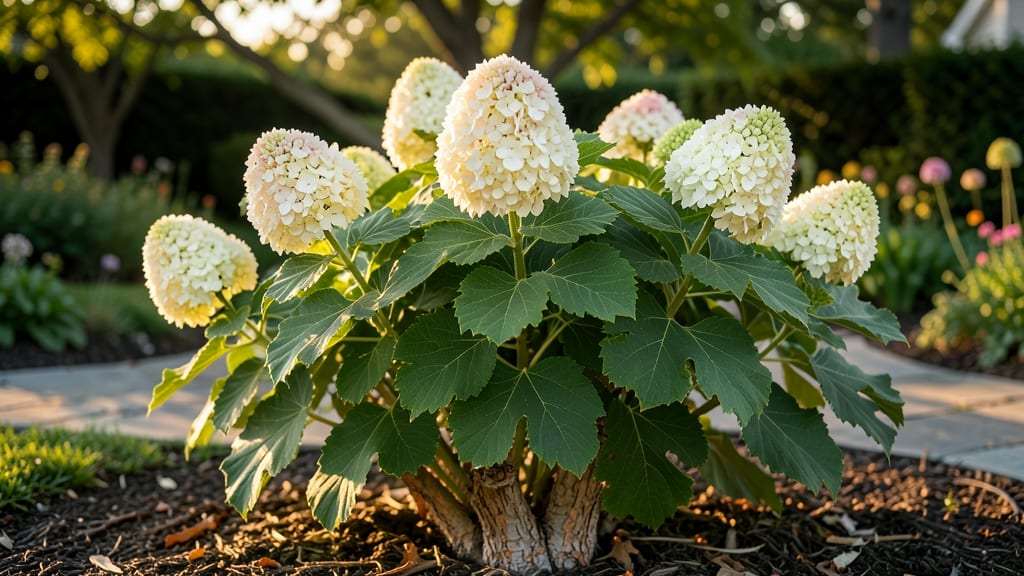
Growing the largest oakleaf hydrangea starts with one key trick: give it 6-8 feet of space from day one. ✨ My 12-foot-tall specimen began as a 2-gallon pot, and the difference between a shrub and a small tree comes down to soil, sunlight, and patience—not just watering.
This plant thrives in partial shade (4-6 hours of morning sun), where its namesake oak-shaped leaves turn fiery red in fall. The secret to massive size? Deep, well-draining soil rich in organic matter—think composted leaves and aged manure.
I’ve seen oakleaf hydrangeas in heavy clay stunted, while the same variety in amended soil reaches 15 feet in a decade. By late spring, you’ll see 6-inch blooms on sturdy stems, but the real magic happens in winter when the exfoliating bark adds texture.
Mulch heavily to protect roots, and stake young stems early—3-foot stakes prevent flopping before the canopy forms. For year-round drama, pair it with ferns or azaleas. The largest specimens need 2-3 inches of water weekly (more in summer), but avoid soggy soil—their roots hate wet feet.
Prune in late winter to shape, but never cut more than 25% of the plant at once.
📚 In This Guide
- What you need
- Instructions
- Tips and common mistakes
- Wrapping up and next steps
What you need
- ● Oakleaf hydrangea plant (e.g., Hydrangea quercifolia 'Snow Queen' or 'Pee Wee' for smaller varieties; aim for a 3-5 gallon container-grown specimen for faster growth).
- ● Well-draining soil mix (50% native soil + 50% organic matter like compost or peat moss). Test soil pH—oakleaf hydrangeas thrive in acidic to neutral (5.5–6.5).
- ● Mulch (2–3 inches of pine bark, wood chips, or shredded leaves to retain moisture and regulate temperature).
- ● Slow-release fertilizer (balanced 10-10-10 or acid-loving plant formula like 8-3-9). Apply 2–3 times per year (spring, summer, fall).
- ● Watering can or hose with adjustable nozzle (hydrangeas need 1–1.5 inches of water weekly, more in extreme heat).
- ● Pruning shears (sharp, bypass-style for clean cuts; sterilize with rubbing alcohol between cuts).
- ● Stakes or garden twine (for young plants to support heavy foliage; 3–4 ft bamboo stakes work well).
- ● Garden gloves (heavy-duty for mulching/pruning).
- ● Soil pH test kit (or vinegar/baking soda DIY test).
- ● Trowel or transplant spade (for digging holes 2x wider than the root ball).
- ● Measuring tape (to ensure proper spacing—6–10 ft apart for mature size).
- ● Epsom salt (1 tbsp/month in water for magnesium boost, especially in alkaline soil).
- ● Copper fungicide (preventative spray for powdery mildew in humid climates).
- ● Drip irrigation system (automates watering for consistent moisture).
- ● Slow-release iron supplement (if leaves show yellowing between veins).
- ● Neem oil (natural aphid/pest deterrent—oakleaf hydrangeas attract aphids!).
Step-by-step guide to growing a towering oakleaf hydrangea
Here's how to cultivate a majestic oakleaf hydrangea that thrives in shade and grows to impressive heights.
🌱 Step 1: Choose the Perfect Planting Location
Oakleaf hydrangeas demand space—select a site with 6-8 feet of clearance in all directions. These shrubs mature with a 6-10 foot spread and can reach 12-15 feet tall in ideal conditions. I always look for areas with partial to full shade (3-6 hours of morning sun), as direct afternoon sun scorches the large, delicate leaves.
Test the soil pH using a simple test kit—oakleaf hydrangeas prefer acidic soil (pH 5.0-6.0). If your soil tests neutral or alkaline, amend with peat moss or sulfur before planting. The roots will reward you with vibrant foliage and stunning fall color when the soil chemistry is just right.
🪴 Step 2: Dig and Prepare the Planting Hole
Dig a hole twice as wide as the root ball but only as deep as the container. This prevents burying the trunk too deeply, which can cause rot. I always loosen the sides of the hole with a shovel to encourage root spread into the native soil.
Mix the excavated soil with half a bag of organic compost and a handful of hydrangea-specific fertilizer (high in phosphorus for root development). This blend ensures the young plant has nutrients to establish quickly. Gently place the hydrangea in the hole, ensuring the top of the root ball sits 1 inch above ground level.
💧 Step 3: Water Deeply and Mulch Generously
Water the newly planted hydrangea with 5 gallons of water to settle the soil around the roots. I use a slow watering can to avoid displacing the plant. After watering, apply a 3-inch layer of mulch (pine bark or shredded leaves) around the base, keeping it 6 inches away from the trunk to prevent rot.
Mulch conserves moisture and regulates soil temperature, which is critical for oakleaf hydrangeas in their first growing season. Replenish the mulch annually in late winter to protect the roots from freezing temperatures. Water twice weekly during the first year, ensuring the soil stays evenly moist but not soggy.
☀️ Step 4: Prune Strategically for Height and Shape
Prune oakleaf hydrangeas in late winter or early spring before new growth begins. Remove dead or crossing branches first, then cut back last year's growth to just above a strong bud. I avoid heavy pruning—these shrubs grow slowly, and aggressive cuts can reduce flowering.
For a towering effect, focus on removing lower branches that block airflow or grow inward. Leave the upper branches intact to maximize height. Oakleaf hydrangeas bloom on old and new wood, so pruning after flowering won’t reduce next year’s blooms. Watch for new shoots at the base—these are your signal that the plant is establishing well.
⏰ Step 5: Feed and Protect for Long-Term Growth
Fertilize in early spring and mid-summer with a balanced, slow-release fertilizer (10-10-10 or similar). I avoid high-nitrogen fertilizers, as they promote leafy growth at the expense of flowers. Instead, I use a hydrangea-specific formula to encourage both foliage and blooms.
Protect young plants from late spring frosts by covering them with a frost cloth if temperatures dip below 28°F. Mature oakleaf hydrangeas are hardy to Zone 5, but their large leaves can burn in intense sun or cold winds. Monitor the foliage—if leaves yellow or wilt, adjust watering or move the plant to a slightly shadier spot.
Tips & tricks for perfect towering oakleaf hydrangea cultivation
Here's what nobody tells you about pushing your oakleaf hydrangea to its maximum potential height and beauty.
Location is Everything: That 3-6 hours of morning sun is non-negotiable for towering growth. I've seen oakleaf hydrangeas reach 15 feet tall when planted in this exact light condition, but they'll stay stunted in full shade. The key is morning sun—it provides just enough energy without scorching the delicate leaves. If your yard only offers afternoon shade, consider planting near an east-facing window or using a light-colored fence to reflect morning sunlight onto the plant.
Root Ball Placement Matters: That 1-inch above ground level placement isn't just about aesthetics—it's a critical survival tactic. When you bury the root ball too deeply, you create anaerobic conditions that lead to root rot. I've lost three oakleaf hydrangeas to this exact mistake before realizing the importance of proper depth. Use a level to ensure perfect placement, and never mound soil around the trunk after planting.
Mulch Maintenance Secret: That 3-inch layer of mulch needs annual replenishment to maintain its insulating properties. I've found that pine bark mulch lasts longer than shredded leaves, but both work well. The critical detail is keeping mulch 6 inches away from the trunk—this prevents moisture buildup that can cause fungal issues. In winter, add an extra 2 inches of mulch to protect roots from freezing temperatures below 28°F.
Pruning Timing Technique: The late winter/early spring pruning window is your chance to shape that towering form. I always look for the first signs of bud swell—this tells me new growth is about to begin. When you cut back to just above a strong bud, you're essentially telling the plant where to focus its energy. For maximum height, avoid cutting back more than one-third of the plant's height in any single year.
Pro Tips for Largest Oakleaf Hydrangea
- Here's what nobody tells you about pushing your oakleaf hydrangea to its maximum potential height and beauty.
- Location is Everything: That 3-6 hours of morning sun is non-negotiable for towering growth.
- Root Ball Placement Matters: That 1-inch above ground level placement isn't just about aesthetics—it's a critical survival tactic.
Frequently asked questions
Got questions about growing the largest oakleaf hydrangea? You’re not alone! Here are answers to the most common queries—from planting to pests and everything in between.
How big does the largest oakleaf hydrangea grow?
The Hydrangea quercifolia ‘Snow Queen’ or ‘Pee Dee’ varieties can reach 10–15 feet tall and 8–12 feet wide at maturity. For smaller spaces, prune annually to control size or choose dwarf cultivars like ‘Sourwood Beauty’ (6–8 ft). Always check your local climate zone—southern growers may see even more dramatic growth!
When is the best time to plant the largest oakleaf hydrangea?
Plant in early spring or fall when temperatures are mild (50–70°F). Avoid extreme heat or frost, which can stress roots. If planting in summer, water deeply 2–3 times per week for the first month. Pro tip: Amend soil with compost before planting to boost drainage—oakleaf hydrangeas hate soggy feet!
What pests or diseases should I watch for with large oakleaf hydrangeas?
Common issues include:
- Aphids: Cluster on new growth; blast off with water or use insecticidal soap.
- Powdery mildew: White fungal spots? Improve airflow and avoid overhead watering.
- Leaf spot: Remove infected leaves and apply fungicide if severe.
Can I prune the largest oakleaf hydrangea to keep it smaller?
Yes! Prune in late winter or early spring (before buds swell) to shape or reduce size. Cut back old wood (last year’s stems) by ⅓ to encourage bushier growth. Avoid heavy pruning in fall—it removes next year’s blooms! For dramatic height control, prune annually after flowering.
What’s a good alternative if I don’t have space for a giant oakleaf hydrangea?
Try these stunning (but smaller) hydrangea varieties:
Variety
Size
Key Feature
Hydrangea macrophylla ‘Endless Summer’
3–5 ft tall
Reblooms all season; compact mophead blooms.
Hydrangea paniculata ‘Little Lime’
4–6 ft tall
Lime-green cones; heat-tolerant and disease-resistant.
Hydrangea arborescens ‘Annabelle’
3–5 ft tall
Massive white blooms; thrives in full sun.
Wrapping up and next steps
The largest oakleaf hydrangea isn’t just a shrub—it’s a statement piece that brings year-round beauty to your garden with its bold foliage, stunning blooms, and fiery fall colors. Whether you’re drawn to its shade tolerance, wildlife-friendly appeal, or sheer size, this plant is a game-changer for landscaping with confidence.
Ready to elevate your outdoor space? Start by selecting your perfect variety, then plan your planting spot with care—your future shade oasis awaits! 🌿✨