
Pests and Diseases
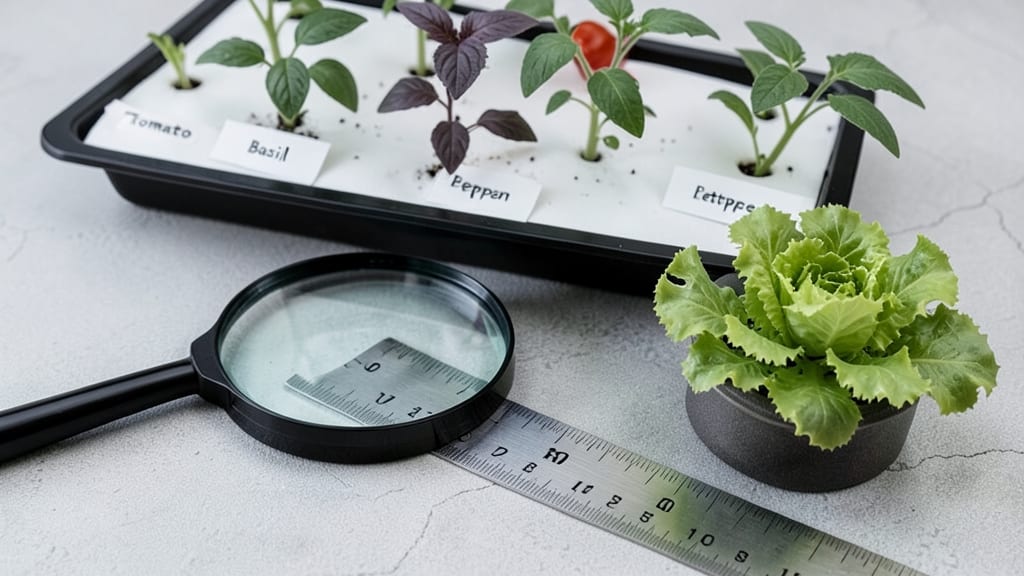
Mastering leaf shape seedling identification saves you from thinning mistakes and wasted space. 🌱 I’ve pulled up dozens of mislabeled seedlings in my own garden—until I learned to spot the subtle differences between a tomato’s jagged edges and a pepper’s smooth lobes.
The right ID means healthier transplants and less frustration when your "carrots" turn out to be parsnips.
Most common plants have signature leaf shapes: basil’s toothed edges, squash’s lobed patterns, or bean seedlings’ trifoliate clover-like leaves. Start with broad categories—round, lobed, or compound—and narrow down by vein patterns or serrations. A simple magnifying glass helps spot details like hairy stems or waxy coatings that distinguish similar species.
Once you’ve got the ID right, you’ll know exactly when to transplant (tomatoes need hardening off, while lettuce can go straight into cool soil). Proper spacing and care prevent overcrowding, and you’ll avoid the heartbreak of pulling up what you thought was a pepper but was actually a weed.
The payoff? A garden that thrives from day one.
This method works for any seedling—whether you’re growing heirlooms or store-bought varieties. Grab a notebook, sketch a few leaves, and soon you’ll recognize seedlings by sight before they even sprout true leaves. No more guesswork, just confident gardening.
Genetic and Environmental Triggers
Understanding why seedlings develop unusual leaf shapes—whether lobed, serrated, curled, or stunted—often boils down to two core factors: inherited traits and external pressures. These influences don’t just shape aesthetics; they can signal critical health issues or even misidentification. Let’s break down the science behind these changes with actionable insights.
A seedling’s leaf shape is heavily influenced by its genetic code, passed down from parent plants. Some species are hardwired to produce distinct foliage early on, while others may exhibit juvenile traits (like broad, lobed leaves) before maturing into their adult form.
For example: - Maple seedlings often start with deeply lobed leaves, mimicking their mature counterparts. - Tomato plants may sprout jagged, serrated edges in their first true leaves, a trait that persists or softens as they grow. - Hybrid varieties (e.g., crosses between Brassica species) can produce unpredictable leaf shapes due to epistasis, where one gene masks or enhances another.
What to watch for:
- If seedlings consistently display the same abnormal shape across batches, it’s likely genetic. Cross-reference with a seed packet or botanical key to confirm.
- Pro tip: 🌱 Take high-resolution photos of early-stage leaves and compare them to trusted databases like the [USDA Plants Database](https://plants.usda.gov/) or [iNaturalist](https://www.inaturalist.org/).
Extreme temperatures disrupt cell division and enzyme activity, leading to malformed leaves. Seedlings are especially vulnerable because their root systems are still shallow, making them unable to regulate heat or cold efficiently.
| Stress Type | Leaf Response | Actionable Fix |
|---|---|---|
| Heat Shock | Thickened, curled, or bleached edges | Provide shade cloth (30–50% coverage) and even watering to cool soil. |
| Cold Damage | Purple-tinged, stunted, or irregular lobes | Use row covers or heat mats for germinating seeds. Avoid planting too early in cool climates. |
| Temperature Fluctuations | Jagged, uneven margins (e.g., "scorched" edges) | Maintain consistent daytime temps (65–75°F for most seedlings). Use a seedling heat mat if needed. |
Why it happens:
- Heat deactivates auxin (a growth hormone), causing cells to expand unevenly.
- Cold slows photosynthesis, leading to chlorophyll breakdown and purple anthocyanin pigments as a stress signal.
Water is the lifeblood of seedlings, and imbalances trigger osmotic stress, where cells either swell or shrink uncontrollably. This distorts leaf structure long before roots can compensate.
- Overwatering (Anaerobic Stress):
- Symptoms: Yellowing (chlorosis), soft or mushy leaves, irregular lobes due to oxygen deprivation.
- Science: Excess water fills soil pores, suffocating roots and reducing ethylene production—a hormone that regulates leaf shape.
- Fix: Use well-draining seedling mix (e.g., 60% peat/40% perlite) and bottom-water to avoid soggy soil.
- Underwatering (Drought Stress):
- Symptoms: Crispy edges, cupped or rolled leaves, stunted growth.
- Science: Water loss triggers abscisic acid (ABA), a stress hormone that causes leaves to curl and thicken as a water-conservation tactic.
- Fix: Water at soil level (not overhead) and use mulch to retain moisture.
Pro tip: 💡 Check moisture with your finger—if the top 1–2 inches of soil feel dry, it’s time to water. For tropical seedlings (e.g., citrus), maintain consistent humidity with a humidity dome.
Leaves are the plant’s factories, and without the right nutrients, their production line grinds to a halt—or worse, builds defective parts.
| Nutrient Issue | Leaf Shape Clues | Solution |
|---|---|---|
| Nitrogen Deficiency | Pale, small, or lobed leaves (mimicking juvenile traits) | Apply balanced fertilizer (e.g., 10-10-10) or compost tea. |
| Magnesium Deficiency | Yellowing between veins (interveinal chlorosis) + distorted edges | Use Epsom salt (1 tbsp/gallon water) as a foliar spray. |
| Boron Toxicity | Thickened, brittle leaves with cracked edges | Flush soil with water and avoid over-fertilizing. |
| Iron Deficiency | Small, curled leaves (even in acidic soil) | Use chelated iron or adjust pH to 6.0–7.0. |
Why it happens:
- Nitrogen fuels protein synthesis—without it, leaves can’t grow properly.
- Micronutrients (like boron) act as enzymatic cofactors; too little or too much disrupts cell wall formation.
Not all leaf shape changes are environmental—some are biological attacks in disguise. Early-stage seedlings are prime targets for pests and diseases that warp growth.
- Aphids/Spider Mites:
- Symptoms: Stunted, curled, or puckered leaves (due to sap-sucking and hormone disruption).
- Fix: Spray with neem oil or introduce ladybugs.
- Fungal Infections (e.g., Powdery Mildew):
- Symptoms: White, fuzzy patches leading to irregular lobes or holes.
- Fix: Improve air circulation and apply baking soda spray (1 tsp baking soda + 1 quart water + few drops of soap).
- Root-Knot Nematodes:
- Symptoms: Yellowing, twisted leaves (roots are gnarled and stunted).
- Fix: Solarize soil or plant marigolds (a natural nematicide).
Pro tip: 🔍 Inspect undersides of leaves with a magnifying glass—early detection is key! If you spot honeydew (sticky residue), aphids are likely the culprit.
Fixing seedling shape mistakes
Mistakes in identifying seedlings by leaf shape can lead to misdiagnosis, improper care, or even the loss of your plants. But don’t worry—most issues have straightforward fixes. Below, we’ve mapped common causes to actionable solutions, including prevention tips to keep your seedlings thriving.
When seedlings are too close together, they compete for nutrients, light, and space, leading to weak, misshapen leaves.
How to Fix It: 🍳 Thin Seedlings Early – Use clean scissors or your fingers to gently remove weaker seedlings, leaving the healthiest ones with at least 1–2 inches of space between them. 👨🍳 Repot if Needed – If seedlings are already crowded, transplant them into individual pots with well-draining soil to reduce competition. 🥘 Boost Light Exposure – Move seedlings to a brighter spot (like a south-facing window or under grow lights) to encourage even growth.
Prevention Tips: ✨ Start with Proper Spacing – Follow seed packet guidelines for planting depth and spacing. 🎯 Use Trays with Dividers – If growing in trays, opt for cell packs to prevent root tangling. 💡 Monitor Growth Weekly – Check seedlings regularly and thin before leaves start touching.
Insufficient or excessive light can cause seedlings to stretch (etiolation) or develop oddly shaped leaves.
How to Fix It: 🔥 Adjust Light Source – If leaves are pale or leggy, move seedlings closer to a natural light source or increase grow light hours (12–16 hours/day). 🍳 Rotate Seedlings Daily – Turn trays ¼ turn each day to prevent leaning and ensure even exposure. 🥘 Use Reflective Surfaces – Place a white board or foil behind seedlings to bounce light and maximize coverage.
Prevention Tips: ✨ Invest in Grow Lights Early – If natural light is weak (e.g., winter or shaded areas), use LED or fluorescent grow lights from day one. 🎯 Avoid Direct Sunburn – If using natural light, acclimate seedlings gradually to prevent scorching. 💡 Watch for Heat Stress – Keep lights 6–12 inches above seedlings to avoid overheating.
Pests or pathogens like damping-off, powdery mildew, or bacterial leaf spot can distort leaf shapes and stunt growth.
How to Fix It: 🔪 Remove Affected Seedlings Immediately – Snip off infected leaves or discard severely damaged seedlings to prevent spread. 🍳 Apply Fungicide or Bacterial Spray – Use a copper-based fungicide (for fungal issues) or neem oil spray (for mild infections). 🥘 Improve Air Circulation – Space seedlings wider apart or use a small fan on low setting to dry leaves faster.
Prevention Tips: ✨ Sterilize Tools & Trays – Clean scissors, pots, and trays with a 10% bleach solution before reuse. 🎯 Avoid Overwatering – Let soil dry slightly between waterings to reduce fungal growth. 💡 Use Sterile Seedling Mix – Opt for pasteurized or coconut coir-based mixes to minimize pathogen risks.
Lack of essential nutrients (like nitrogen, phosphorus, or magnesium) can lead to stunted, malformed leaves.
How to Fix It: 📊 Test Soil pH & Nutrients – Use a simple soil test kit to check pH (ideal: 6.0–7.0 for most seedlings) and adjust with lime (for acidity) or sulfur (for alkalinity). 🍳 Fertilize Lightly – Use a balanced, water-soluble fertilizer (5-5-5 or 10-10-10) at half-strength once true leaves appear. 🥘 Add Compost Tea – Boost microbial activity with homemade compost tea for natural nutrient uptake.
Prevention Tips: ✨ Start with Nutrient-Rich Soil – Mix in worm castings or compost before planting seeds. 🎯 Follow a Feeding Schedule – Avoid over-fertilizing; seedlings need gentle nourishment, not heavy doses. 💡 Monitor Water Quality – Use filtered or rainwater to prevent mineral buildup from tap water.
With these fixes, your seedlings should develop into strong, recognizable plants with healthy leaf shapes. The key is early intervention—catch issues before they spread, and your young plants will reward you with vibrant, true-to-species growth! 🌱✨
Frequently asked questions
What are the most common leaf shapes I should learn first for seedling identification?
Start with these five basic shapes: simple (smooth edges), lobed (like maple leaves), serrated (jagged edges), compound (multiple leaflets), and needle-like. For example, tomato seedlings often have serrated edges, while bean seedlings typically have trifoliate (three-part) compound leaves.
Can I identify seedlings before their true leaves appear?
Not reliably! The first leaves (called cotyledons) look similar across many species. You’ll need to wait for the true leaves (the second set) to appear, which usually happens 7-14 days after germination. These true leaves reveal the plant’s genetic signature.
How do I tell the difference between a weed seedling and a vegetable seedling?
Weeds often have hairy stems, alternate leaf patterns, or rapid growth compared to your planted seedlings. For example, lambsquarters (a common weed) has smooth, lobed leaves similar to beets, but its stems are hairless and it grows much faster. Always compare against your seed packet or a plant ID app.
What should I do if I can't identify a seedling?
Take a clear photo of the seedling (including soil and surroundings) and compare it to databases like the USDA Plants Database or iNaturalist. If you’re still unsure, post in gardening forums with your photo—experienced growers often recognize plants by subtle details you might miss.
Do leaf veins help identify seedlings?
Leaf veins can be a game-changer. For example, carrot seedlings have parallel veins, while lettuce has a prominent central vein with smaller branching veins. Use a magnifying glass to examine vein patterns—this often distinguishes between similar-looking species like basil and dill.