
Neem Oil
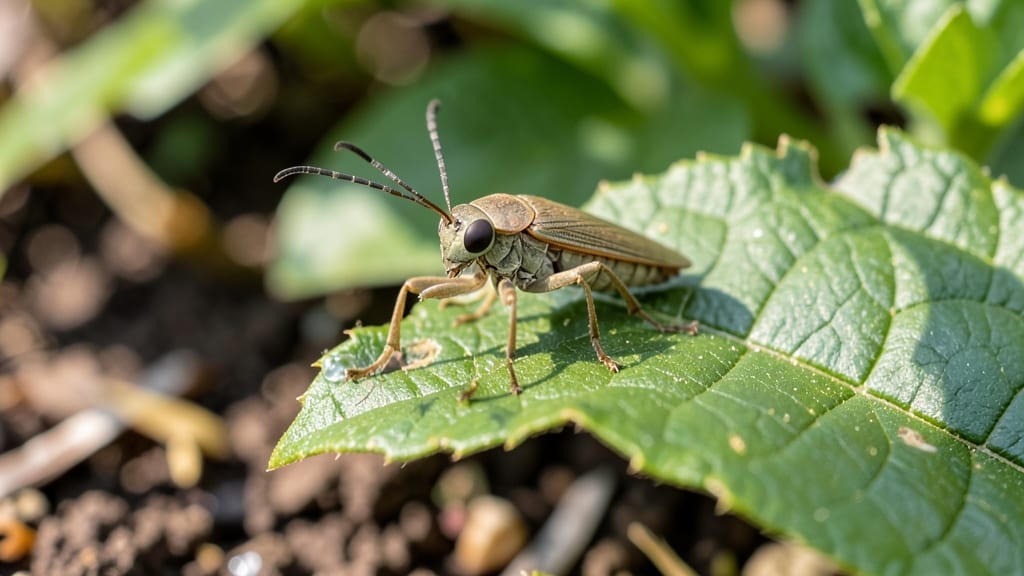
Those tiny, striped assassin bug nymphs are your garden's secret weapon against leafhoppers. 🌿 I used to mistake them for pests until I learned they devour hundreds of leafhoppers daily—naturally thinning populations without chemicals.
The key is recognizing their three life stages: egg, nymph (with bold stripes), and adult (winged hunters).
What makes them invaluable is their precision: nymphs target only leafhoppers and aphids, leaving beneficial insects untouched. A single nymph can consume 50+ leafhoppers in its lifetime, reducing damage to new growth and preventing sticky honeydew buildup. Their presence means fewer pesticides and healthier plants long-term.
To attract them, plant dill, fennel, or yarrow near vulnerable crops—their favorite hunting grounds. Avoid broad-spectrum pesticides (even organic ones), as these nymphs are sensitive to chemical residues. Instead, use neem oil sprays only when absolutely necessary, and time applications for evening when predators are less active.
Here’s the critical distinction: assassin bug nymphs have three distinct black-and-white stripes, while harmful pests like stink bugs have smooth, rounded bodies. If you spot these striped hunters, celebrate—they’re doing the work for you. Let them thrive, and your leafhopper problems will shrink naturally.
Root Causes Of Predator Attacks
When leafhopper assassin bug nymphs turn into tiny, aggressive hunters, their behavior isn’t random—it’s driven by survival instincts, environmental triggers, and ecological dynamics. Understanding these causes helps gardeners and farmers take targeted action to manage populations before they become a nuisance. Let’s break down the key reasons these predators strike.
Assassin bug nymphs are born hunters, and their aggressive behavior stems from their role in the food chain.
Unlike adult assassin bugs, which are generalist predators, nymphs are specialized ambush hunters, relying on stealth and speed to catch prey like aphids, soft-bodied insects, and even smaller nymphs of their own species.
- Carnivorous Development: Each nymphal stage (there are typically 5) requires more protein to molt successfully. If prey is scarce, they become more aggressive to secure meals.
- Cannibalistic Tendencies: Under stress (crowding, hunger), nymphs may attack siblings or weaker individuals—a survival tactic in competitive environments.
- Chemical Lures: Some species release pheromones or use scent cues to locate prey, making them highly efficient trackers in dense foliage.
💡 Pro Tip: If you notice clusters of assassin bug nymphs in one area, it’s likely a high-prey zone. Monitor these hotspots closely, as they’ll attract more predators—and potential overpopulation.
Assassin bug nymphs thrive in stable, resource-rich environments, but disruptions can push them toward predatory extremes. Common triggers include:
| Factor | Impact on Nymphs | Actionable Fix |
|---|---|---|
| 🌡️ Temperature Fluctuations | Extreme heat or cold slows metabolism, increasing desperation for food. | Provide shade cloth or mulch to regulate soil/plant temps. |
| 💧 Water Stress | Drought forces nymphs to seek out juicier prey (e.g., aphids) or migrate to healthier plants. | Use drip irrigation to maintain consistent moisture. |
| 🌿 Overcrowding | Competition for food leads to inter-nymph aggression and increased hunting. | Space out plants or introduce beneficial competitors (e.g., ladybugs). |
| 🧪 Pesticide Exposure | Chemicals kill prey, forcing nymphs to hunt more aggressively—or starve. | Switch to neem oil or soapy water sprays for targeted control. |
⚠️ Warning: Avoid broad-spectrum insecticides! They eliminate both pests and predators, creating a vacuum that allows leafhopper populations to explode.
Assassin bug nymphs flourish when their prey outnumbers natural controls. Common imbalances that trigger their predatory behavior include:
- Explosive Leafhopper Populations:
Leafhoppers reproduce rapidly in warm, humid conditions. A single female can lay hundreds of eggs, creating a buffet for assassin bug nymphs. When leafhoppers dominate, nymphs become hyper-active to keep up with demand.
- Lack of Alternative Predators:
If spiders, lacewings, or parasitic wasps are absent (due to habitat loss or pesticides), assassin bugs face less competition for food, leading to unchecked hunting.
- Monoculture Planting:
Large patches of a single crop (e.g., roses, citrus) provide ideal hunting grounds for nymphs, as prey is concentrated. Diversity in plants dilutes their effectiveness as predators.
🌱 Solution: Encourage polyculture—mix flowering plants, herbs, and vegetables to disrupt leafhopper colonies and provide alternate food sources for nymphs (e.g., pollen, smaller insects).
By addressing these root causes—whether through habitat management, targeted pest control, or ecological balance—you can reduce the need for aggressive nymph hunting and maintain a healthier garden ecosystem.
Natural Ways to Eradicate Tiny Nuisance Bugs
If you’ve spotted leafhopper assassin bug nymphs lurking in your garden or home, don’t panic—there are effective, eco-friendly ways to tackle them without harsh chemicals. Below, we break down cause-specific solutions with step-by-step fixes and prevention tips to keep your plants (and peace of mind) intact.
Cause: Nymphs thrive in stressed plants with weak foliage, making them easier targets. Fix: Boost plant resilience with these neem oil-based treatments and cultural fixes.
- 🍃 Apply Neem Oil Spray (The Gold Standard)
- Mix 1 tbsp neem oil + 1 tsp mild soap (or castile soap) + 1 quart water in a spray bottle.
- 🔥 Spray thoroughly (top and underside of leaves) at dusk or dawn (avoids harming bees).
- ⏰ Repeat every 5–7 days until nymphs disappear (usually 2–3 weeks).
- 🌱 Improve Plant Health Proactively
- 💡 Prune damaged leaves to reduce hiding spots.
- 🌡️ Water deeply but less frequently (overwatering stresses roots).
- 🍎 Feed with compost or balanced fertilizer (avoid nitrogen-heavy mixes).
- 🌿 Introduce Beneficial Predators
- Ladybugs, lacewings, and parasitic wasps naturally hunt nymphs. Buy them online or attract them with:
- 🌼 Plant nectar-rich flowers (e.g., marigolds, dill).
- 🌙 Avoid pesticides (they kill beneficial bugs too).
- Ladybugs, lacewings, and parasitic wasps naturally hunt nymphs. Buy them online or attract them with:
Cause: Nymphs sneak inside through cracks, windows, or on infested plants. Fix: Create a bug-proof barrier and lure them out.
- 🔒 Seal Entry Points
- 🔪 Use caulk or weatherstripping around doors/windows.
- 🕷️ Install fine mesh screens on vents and gaps.
- 🧹 Vacuum thoroughly (especially corners, baseboards, and under furniture).
- 🕯️ Set Up Sticky Traps or Diatomaceous Earth (DE)
- Place yellow sticky traps near windows or plant stems.
- ✨ Sprinkle food-grade DE in cracks (it dehydrates bugs—safe for pets once settled).
- ⚠️ Reapply DE after watering (it loses effectiveness when wet).
- 🌿 Isolate Infested Plants
- Move affected plants outside or to a quarantine area (like a garage).
- 🚫 Avoid bringing them indoors until fully treated.
Cause: Monoculture gardens (same plants in rows) attract nymphs in droves. Fix: Disrupt their habitat with smart landscaping.
- 🌱 Practice Crop Rotation
- 🔄 Rotate plants yearly to starve out nymph populations.
- Avoid planting susceptible crops (e.g., beans, tomatoes) in the same spot.
- 🌼 Plant Companion Plants
- 🌿 Basil, mint, or garlic repel nymphs with strong scents.
- 🌻 Marigolds and chrysanthemums contain pyrethrin, a natural insect deterrent.
- 🌱 Use Mulch Strategically
- 🍂 Apply wood chips or straw mulch (3–4 inches deep) to smother eggs and disrupt nymph movement.
- 🔥 Avoid thick grass clippings (they trap moisture, encouraging pests).
- 🌡️ Monitor regularly: Check undersides of leaves and new growth weekly.
- 🎯 Early action is key: Nymphs are easier to kill than adults—act at the first sign.
- 🍃 Avoid broad-spectrum sprays: They wipe out good bugs that keep nymphs in check.
- 🌿 Keep your yard tidy: Remove weeds and debris (nymphs hide there).
- 📅 Plan ahead: Apply neem oil preventatively in spring and early summer (peak nymph season).
🔥 Ready to reclaim your garden? Start with neem oil for immediate relief, then layer in preventive strategies for long-term control. With patience and consistency, those pesky nymphs won’t stand a chance!
Frequently asked questions
How can I tell if those striped bugs in my garden are leafhopper assassin bug nymphs?
Look for three bold black-and-white stripes running lengthwise on their bodies. These nymphs are about ¼-inch long and have a slightly flattened, shield-like shape. They freeze when disturbed—unlike leafhoppers, which jump away immediately. Check undersides of leaves where they hunt.
Are leafhopper assassin bug nymphs dangerous to humans or pets?
No—they’re harmless to humans and pets! While adult assassin bugs can deliver a painful bite if provoked, nymphs lack the strength. Their venom is only used to subdue tiny prey like leafhoppers. If you see them on your skin, simply brush them off—they won’t cling or bite.
What should I do if I find them indoors?
Stay calm—they’re not harmful! Use a paper towel or vacuum to gently relocate them outside. Seal gaps around windows/doors with caulk or mesh screens to prevent future visits. Avoid pesticides, as these nymphs are sensitive to chemicals and won’t survive long indoors without prey.
How long does it take for assassin bug nymphs to control a leafhopper outbreak?
With ideal conditions (plenty of prey and no pesticides), you’ll see noticeable reductions in 2-3 weeks. A single nymph can eat 50+ leafhoppers in its lifetime, so patience is key. Monitor plant health daily—if leafhoppers persist, introduce more predators like ladybugs or lacewings.
Can I use neem oil if assassin bug nymphs are already in my garden?
Use it sparingly and at dusk—neem oil is safe for nymphs in small doses but can harm them if overapplied. For best results, spot-treat only the most infested areas. Focus on leafhopper hotspots while preserving areas where nymphs are actively hunting. Always dilute properly (1 tbsp neem oil + 1 tsp soap per quart of water).