
Leaf Blower
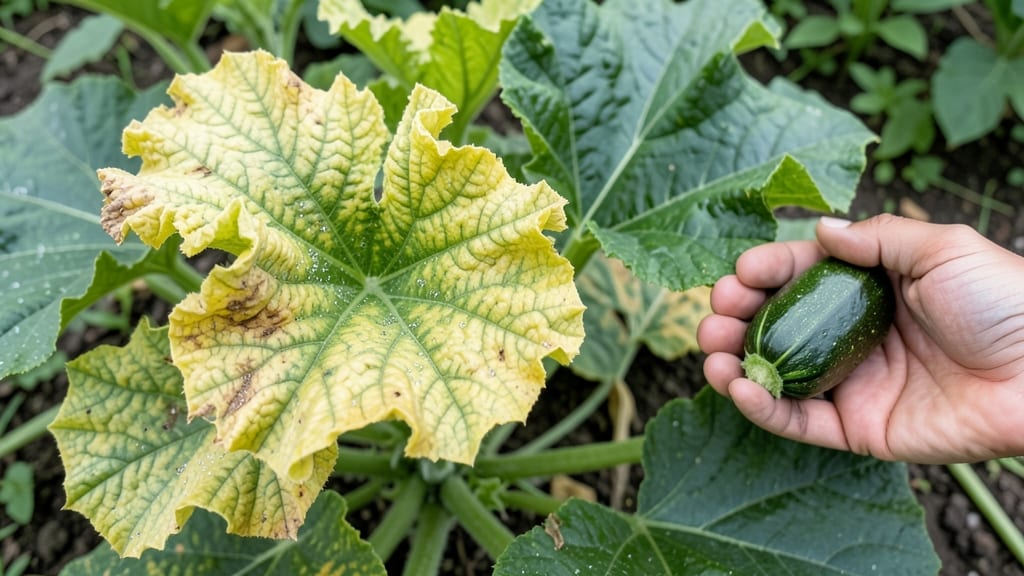
My zucchini plants were suffering from the zucchini leaf curl until I discovered the neem oil spray fix for curling leaves. 🌱 The culprits? Viruses, aphids, or just too much sun—each one leaves your plants looking like they’ve been through a windstorm, but the solution is simpler than you’d think.
The first step is identifying the problem: viral infections show up as yellowing and stunted growth, while pests leave behind sticky residue or tiny bugs. Neem oil tackles both—it’s a natural pesticide that disrupts pests’ life cycles and even helps plants fight off infections.
I’ve used it for three seasons now, and my zucchini plants bounce back every time. Once you spray, watch for new growth within 10-14 days. The leaves will straighten out, and the plants will start producing again.
It’s not a magic cure, but it works—especially when combined with proper watering and shade during the hottest part of the day. This method works for squash, cucumbers, and melons too. Let’s get those plants back to producing like champions!
Root Causes Of Leaf Distortion
When your zucchini plants start showing signs of leaf curl—whether it’s puckered, twisted, or stunted growth—the problem usually stems from a mix of environmental stressors and biological threats. Understanding these root causes is the first step to restoring your plants to healthy, vibrant growth.
Below, we break down the most common culprits and why they trigger this frustrating symptom.
Zucchini plants are hardy, but extreme heat or intense sunlight can cause leaves to curl as a protective response. When temperatures soar above 90°F (32°C) or sunlight becomes too harsh, plants may:
- Wilt slightly to reduce water loss through transpiration.
- Curl upward to minimize surface area exposed to the sun.
- Develop crispy edges if dehydration sets in.
Why it happens: High temperatures increase ethylene production, a plant hormone that triggers stress responses, including leaf curling. Additionally, photosynthesis slows down in extreme heat, causing energy deficits that manifest as distorted growth.
Actionable fix: Provide afternoon shade (especially in hot climates) and ensure consistent soil moisture. Mulching can also help regulate soil temperature.
While underwatering can stress plants, overwatering or soggy soil is just as damaging. When roots sit in waterlogged conditions, they struggle to absorb oxygen, leading to:
- Yellowing leaves (chlorosis) due to nutrient deficiencies.
- Curling or drooping as the plant conserves energy.
- Root rot, which cuts off nutrient flow entirely.
Why it happens: Poor drainage creates anaerobic conditions in the soil, where harmful bacteria thrive and roots suffocate. This disrupts the plant’s ability to uptake water and nutrients, triggering a stress response that curls leaves inward.
Actionable fix: Test your soil’s drainage—if water pools after 30 minutes, amend with perlite or compost. Avoid watering on a schedule; instead, check soil moisture 1–2 inches deep before adding more.
One of the most common (and frustrating) causes of zucchini leaf curl is a viral infection, particularly the Zucchini Yellow Mosaic Virus (ZYMV) or Cucumber Mosaic Virus (CMV). These viruses are spread by:
- Sap-sucking insects like aphids, whiteflies, and beetles.
- Contaminated tools or hands when handling infected plants.
- Seed-borne transmission (though less common in zucchini).
Why it happens: Viruses hijack the plant’s cellular machinery, disrupting protein synthesis and chlorophyll production. Infected leaves curl, yellow, or develop mosaic patterns as the virus alters growth hormones like auxin and cytokinin, leading to stunted, distorted foliage.
Actionable fix: Remove infected plants immediately to prevent spread. Use neem oil or insecticidal soap to control vector pests. For next season, rotate crops and disinfect tools with rubbing alcohol.
While viruses are a major culprit, pests like aphids, spider mites, and whiteflies can also cause leaf curl by:
- Feeding on sap, which weakens the plant and triggers hormonal imbalances.
- Injecting toxins (e.g., aphids excrete honeydew, fostering fungal growth).
- Damaging leaf tissue, causing curling as the plant attempts to heal.
Why it happens: Pests disrupt the phloem (the plant’s nutrient transport system), leading to nutrient deficiencies. Their saliva can also contain viruses, compounding the problem. Additionally, stress from feeding alters ethylene levels, prompting leaves to curl.
Actionable fix: Inspect leaves daily for pests (especially undersides). Spray with neem oil or horticultural oil to smother eggs and adults. Introduce beneficial insects like ladybugs or lacewings for natural control.
Pro tip: 🔍 Early detection is key—catch curling leaves before they spread! Isolate affected plants and test for pests/viruses to pinpoint the exact cause.
Quick Fixes for Wrinkled Zucchini Leaves
Zucchini leaf curl can be frustrating, but the good news is that most causes have straightforward solutions—whether you’re dealing with pests, diseases, or environmental stress. Below, we’ve mapped out practical fixes based on the root issue, plus prevention tips to keep your plants thriving.
Let’s get your zucchini back to its happy, healthy self!
If aphids, whiteflies, or spider mites are to blame, act fast with these targeted treatments:
🍳 Spray Neem Oil (Best for Aphids & Whiteflies)
Neem oil is a powerhouse for breaking the pest life cycle.
Here’s how to use it: - Mix: 1 tablespoon neem oil + 1 teaspoon mild dish soap + 1 quart of water. - Apply: Spray early morning or late evening (avoid direct sunlight) to avoid burning leaves. - Reapply: Every 5–7 days until pests disappear. - 💡 Pro Tip: Shake well before each use—neem oil separates!
👨🍳 Introduce Beneficial Insects
Ladybugs and lacewings love munching on aphids. Buy them online or attract them naturally with:
- Dill or fennel plants (they love these flowers).
- A shallow dish of water with a drop of honey (for adult insects).
🥘 Manual Removal (For Spider Mites)
- Wipe leaves with a damp cloth dipped in rubbing alcohol (70% isopropyl).
- Blast off mites with a strong stream of water from a hose.
If your zucchini is wilting or curling from heat, adjust its environment:
🎯 Provide Shade Cloth (Quick Relief)
- Stretch 30–50% shade cloth over plants during peak sun (10 AM–4 PM).
- DIY Fix: Use a lightweight row cover or even an old white sheet.
💧 Deep Watering (Not Just Surface Drips)
- Water slowly at the base (1–2 gallons per plant) early in the day.
- Avoid wetting leaves to prevent fungal issues.
- 🔥 Pro Tip: Mulch with straw or grass clippings to retain moisture.
✨ Adjust Planting Location
- Move pots to a slightly shadier spot (east or north side of the garden).
- If in-ground, plant taller crops (like corn or sunflowers) nearby to provide natural shade.
If zucchini yellow mosaic virus (ZYMV) or cucumber mosaic virus (CMV) is the culprit:
- 🚫 Remove infected plants immediately (burn or bag them—do not compost).
- 🌱 Rotate crops—don’t plant cucurbits (zucchini, cucumbers, squash) in the same spot for 3 years.
- 💪 Strengthen remaining plants with:
- Compost tea (boosts immunity).
- Balanced fertilizer (10-10-10) to encourage new growth.
Once you’ve fixed the issue, keep it from returning with these easy habits:
| Problem | Prevention Tip |
|---|---|
| Pests | Plant marigolds or basil nearby (natural repellents). |
| Heat Stress | Drip irrigation keeps roots cool without wetting leaves. |
| Viruses | Inspect new plants before buying—avoid those with curled or spotted leaves. |
| Fungal Issues | Water at soil level (never overhead) and space plants for airflow. |
Final Thought: Most zucchini leaf curl cases are reversible with quick action. Start with neem oil for pests, shade for heat stress, and crop rotation for viruses. Your zucchini will bounce back—and you’ll have a bountiful harvest in no time! 🌱🍆
Frequently asked questions about zucchini leaf curl
Why do my zucchini leaves curl upward instead of outward?
Curling upward is your plant’s stress response to heat stress, dehydration, or pest damage. When temperatures exceed 90°F (32°C), leaves curl to reduce water loss. Pests like aphids also trigger curling by injecting toxins while feeding. Check both sides of leaves for tiny bugs or sticky residue.
Can neem oil fix viral infections like Zucchini Yellow Mosaic Virus?
Neem oil won’t cure viruses directly, but it helps by controlling the insects (like aphids) that spread them. For viral infections, remove affected plants immediately and practice 3-year crop rotation. Strengthen remaining plants with compost tea to boost their natural defenses.
How often should I spray neem oil on my zucchini plants?
Apply neem oil every 5-7 days until pests disappear. Always spray early morning or evening to avoid leaf burn from sunlight. Mix 1 tablespoon neem oil + 1 teaspoon mild soap per quart of water for best results. Stop spraying once new growth appears healthy.
Will my zucchini recover if I fix the problem early?
Yes! If you catch curling leaves early and address the root cause (pests, heat, or viruses), your plant can recover within 10-14 days. New leaves will grow straight, and production should resume. The key is acting fast—don’t wait until the entire plant is affected.
Can I still harvest zucchini from plants with curled leaves?
You can harvest existing fruit from plants with curled leaves, but avoid eating leaves from virus-infected plants. Focus on removing affected foliage to redirect the plant’s energy to fruit production. If pests are the issue, treat immediately to protect future harvests.