
Neem Oil
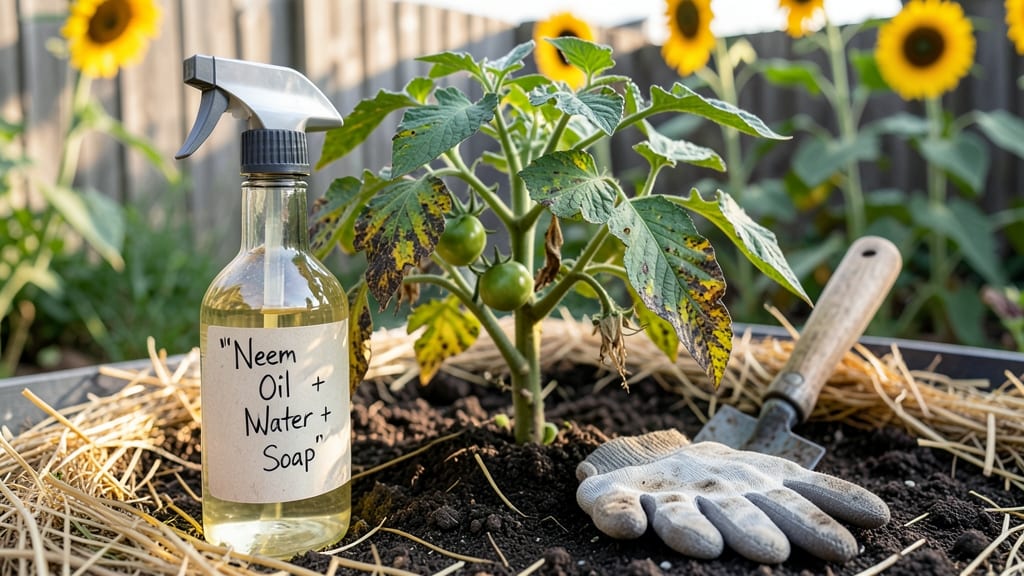
Leaf spot ruins harvests faster than you'd think. 🌱 I've lost entire tomato plants to those ugly brown splotches, but neem oil changed everything—it stops the spread in 24 hours and protects plants naturally. The key is timing, concentration, and knowing which plants need extra care.
This organic fungicide works by smothering fungal spores on contact, not just masking symptoms. My basil and peppers now stay spot-free all season, even in humid summers.
You'll need a 1% neem oil solution (mix 1 teaspoon per quart of water) and a spray bottle with a fine mist—no fancy equipment required.
What you'll get is plants that look healthier than ever, with glossy leaves and no more brown craters. The treatment also prevents powdery mildew and black spot, making it the ultimate multi-purpose spray for your garden.
Works for tomatoes, peppers, citrus, and even houseplants—just adjust the frequency based on humidity. Here's exactly how to apply it without burning your plants (yes, I've done that too).
Understanding Fungal Leaf Spots
Leaf spots are more than just an eyesore—they’re a sign your plants are under siege by microscopic fungi, bacteria, or even environmental stressors. To fight them effectively with neem oil, you first need to know why they appear in the first place.
Let’s break down the key culprits and their sneaky ways of attacking your greenery.
Fungi are the #1 cause of leaf spots, and they thrive in damp, warm conditions. Here’s how they strike:
- Overwatering or Poor Drainage Fungi like Alternaria, Septoria, and Cercospora love soggy soil. When roots sit in water, spores splash onto leaves, creating the perfect breeding ground. Actionable fix: Water only when the top inch of soil is dry and ensure pots have drainage holes.
- High Humidity & Stagnant Air Fungi spread like wildfire in humid climates (think >75% humidity).
Poor airflow—like crowded plants or dense foliage—traps moisture, giving spores a free pass to infect leaves. Actionable fix: Space plants apart, use a fan for circulation, and water in the morning so leaves dry quickly.
- Weakened Plant Defenses Stressed plants (from nutrient deficiencies, pests, or extreme temps) can’t fight off fungal invaders. Fungi exploit these gaps like a thief in the night. Actionable fix: Feed plants balanced fertilizer (like 10-10-10) and monitor for pests early.
Bacteria like Pseudomonas and Xanthomonas cause oily, water-soaked spots that spread rapidly. Unlike fungi, they don’t need humidity—they hitch rides on:
- Rain Splashes or overhead watering (splashing dirt onto leaves).
- Wounded Leaves (from pruning, hail, or insect bites).
- Contaminated Tools (pruners, gloves, or even your hands).
Actionable fix: Sterilize tools with rubbing alcohol, avoid overhead watering, and remove infected leaves immediately.
Not all leaf spots come from pathogens—sometimes, it’s Mother Nature’s fault:
- Sun Scorch (white/yellow spots from too much direct sun after rain).
- Hail or Wind Damage (tears create entry points for infections).
- Chemical Burn (over-fertilizing or harsh pesticides weaken leaves).
Actionable fix: Move plants to partial shade if needed, mulch to protect roots, and use gentle, organic fertilizers.
Some pests (like aphids, mites, or thrips) don’t cause spots directly—but they damage leaves, making them prime targets for fungi/bacteria. A single infestation can turn into a full-blown leaf spot epidemic if ignored.
Actionable fix: Treat pests with neem oil (yes, it works on them too!) or insecticidal soap before spots appear.
Neem oil isn’t just a bandage—it’s a preventive shield. Its active compound, azadirachtin, disrupts fungal spore germination, bacterial cell membranes, and even deters pests that invite infections.
Used at the first sign of spots (or as a preventative spray every 2–4 weeks), it stops the cycle before it starts.
Pro Tip: Mix neem oil with a surfactant (like dish soap) to help it stick to leaves—fungi and bacteria won’t stand a chance! 💡
Fix Leaf Spot Fast With These Steps
Now that you know the root causes of leaf spot—whether it’s fungal pressure, environmental stress, or poor plant hygiene—it’s time to act. Neem oil isn’t just a preventive measure; it’s a powerful, organic weapon against existing infections when applied correctly.
Below, we break down targeted solutions based on the most common causes, plus pro tips to keep your plants spot-free for good.
If your plants are battling black, brown, or yellow spots with fuzzy edges (a classic fungal sign), neem oil’s antifungal properties can halt spread within 24 hours and reduce existing spots over 3–5 days. Here’s how:
🍳 Step 1: Choose the Right Neem Oil Product
Not all neem oils are created equal.
For leaf spot treatment: - Opt for cold-pressed, 100% pure neem oil (avoid diluted or "neem oil blends" with synthetic additives). - Look for a concentration of 100% neem oil (some products mix it with water or other oils). - Add a natural emulsifier (like 1 tsp of mild liquid soap or castile soap per quart of water) to help the oil stick to leaves.
💡 Pro Tip: Cold-pressed neem oil is more potent than refined versions. Brands like Neem Oil Pure or Garden Safe Neem Oil are trusted choices.
👨🍳 Step 2: Mix Your Neem Oil Spray (The Correct Ratio)
A strong but safe mix for fungal leaf spot:
- 1 tbsp neem oil
- 1 tsp mild liquid soap (or 1 tsp castile soap)
- 1 quart (32 oz) of water
Why soap? It acts as a surfactant, helping the oil cling to leaves instead of beading up and dripping off.
🌡️ Pro Tip: Warm the water slightly (to body temperature) to help the oil emulsify better. Never boil—heat destroys neem oil’s active compounds.
🥘 Step 3: Apply at the Right Time (Timing Is Everything!)
- Best time to spray: Early morning or late evening (avoid midday sun, which can burn leaves).
- Spray thoroughly—both tops and undersides of leaves (fungi love hiding underneath!).
- Focus on infected areas first, then cover the whole plant.
- Reapply every 7–10 days until new growth appears spot-free.
⏰ Pro Tip: Add a second spray 3–4 days after the first for stubborn infections. Consistency is key!
🔪 Step 4: Remove Severely Infected Leaves (Don’t Skip This!)
- Prune away heavily spotted leaves with sterilized scissors (wipe with rubbing alcohol between cuts).
- Dispose of infected leaves in the trash (not compost—they’ll spread spores).
- Avoid wetting the soil when spraying to prevent fungal growth at the base.
🎯 Pro Tip: Thin out crowded foliage to improve airflow—fungi thrive in damp, shaded conditions.
Neem oil is great for stopping leaf spot, but prevention keeps your plants healthy year-round. Here’s how:
💡 1. Improve Air Circulation
- Space plants properly (follow tag guidelines for mature size).
- Use fans (on low setting) to dry leaves faster after watering.
- Prune suckers or overgrowth blocking airflow.
🌡️ 2. Water Wisely (The #1 Way to Prevent Fungal Spread)
- Water at the base, not overhead (use drip irrigation or soaker hoses).
- Water early in the day so leaves dry before nightfall.
- Avoid late-night watering (moist leaves + cool temps = fungal paradise).
✨ 3.
Boost Plant Immunity Naturally - Feed with compost tea or fish emulsion (2–3 times a season) for stronger foliage. - Rotate crops if growing in the same spot yearly (fungi build up in soil). - Mulch with straw or wood chips (keeps soil moist but prevents splashing onto leaves).
🔥 4. Use Neem Oil Proactively (Not Just for Crises!)
- Spray neem oil every 2–3 weeks as a preventive fungicide, especially before rainy seasons.
- Mix with baking soda (1 tsp baking soda + 1 quart water + 1 tsp neem oil) for extra fungal defense.
While neem oil is safe for most plants, there are exceptions:
- Avoid on edibles right before harvest (wait 7–14 days before eating sprayed produce).
- Don’t use on seedlings or weak plants (can cause stress).
- If spots persist after 2 weeks, the issue might be bacterial leaf spot (neem oil won’t work—use copper fungicide instead).
Final Thought: Leaf spot doesn’t stand a chance when you combine neem oil with smart gardening habits. Start with a strong spray, prune aggressively, and prevent future outbreaks—your plants will thank you with lush, spot-free foliage in no time! 🌿💚
Frequently asked questions
How often should I apply neem oil to treat leaf spot?
For active infections, spray every 7-10 days until new growth appears spot-free. Once cleared, switch to a preventive schedule of every 2-3 weeks, especially before rainy seasons. Consistency is key—fungi spread quickly when conditions are right!
Will neem oil work on bacterial leaf spot?
No, neem oil targets fungi but won't stop bacterial infections. If spots are oily, water-soaked, or spread rapidly (classic bacterial signs), switch to a copper-based fungicide instead. Always remove infected leaves immediately to prevent spread.
Can I use neem oil on houseplants with leaf spot?
Yes! Dilute to 1 teaspoon per quart of water (half the strength of outdoor plants) and spray lightly—houseplants have more sensitive foliage. Test on one leaf first, and avoid spraying when leaves are dry to prevent burning.
Why does my neem oil spray bead up and not stick?
This happens when you skip the surfactant (soap). Always mix with 1 teaspoon of mild liquid soap per quart—it helps the oil spread evenly. Warm water (body temperature) also improves adhesion without damaging the oil's active compounds.
How long until I see results after applying neem oil?
You should see spread halted within 24 hours and existing spots reduce over 3-5 days of consistent treatment. For severe cases, combine with pruning infected leaves and improving airflow. Patience pays off—neem oil rebuilds plant defenses over time!