
Vegetables
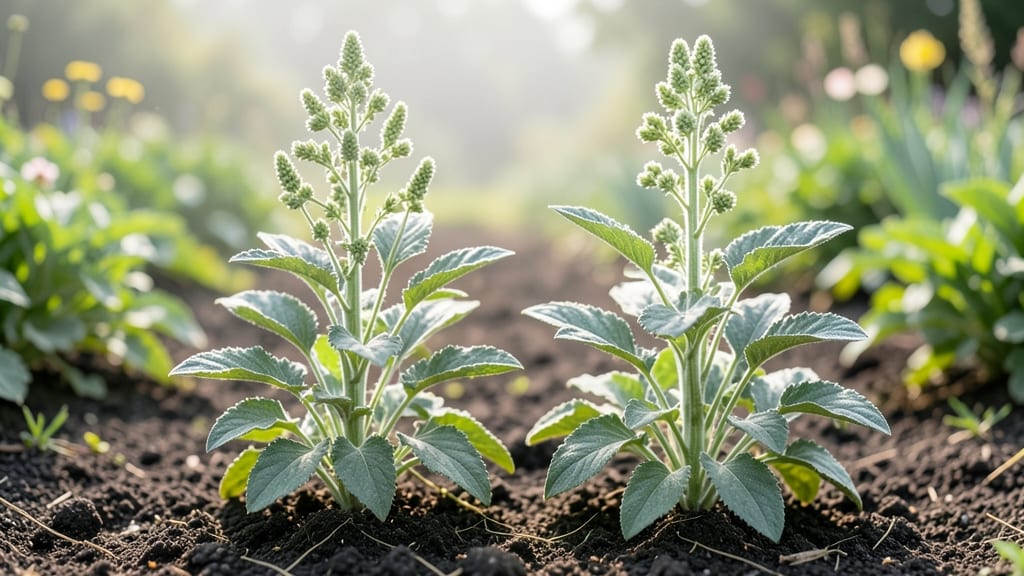
Telling nettleleaf goosefoot and lambsquarters apart saves you from eating the wrong plant—and these two edible greens grow right underfoot. 🌿 Both belong to the Chenopodium family, but one thrives in dry soils while the other loves moisture, and their leaves have key differences that matter when foraging or cultivating.
The first, nettleleaf goosefoot (Chenopodium suberosum), has rough, sandpapery leaves that resemble stinging nettle (but without the sting) and grows in dry, disturbed soils. Lambsquarters (Chenopodium album), meanwhile, sports smooth, silvery leaves and prefers moist, fertile ground—often popping up in gardens as a "weed."
Both are packed with nutrients, but their textures and habitats shape how you use them.
You’ll harvest nettleleaf goosefoot’s earthy, spinach-like flavor for soups or sautés, while lambsquarters’ milder, slightly sweeter taste works raw in salads or cooked like Swiss chard. Both are rich in iron and vitamins, but lambsquarters grows faster and more prolifically in most gardens—making it the easier choice for beginners.
Confusion arises with toxic lookalikes like pigweed (smooth stems, no silver hue) or Russian thistle (spiny burs). Always check leaf texture and growth habit: rough leaves = nettleleaf goosefoot; silvery and smooth = lambsquarters**. Grow either intentionally by scattering seeds in spring—they’ll reward you with free, nutritious greens all season.
The first product explained
Meet Nettleleaf Goosefoot (Chenopodium glaucum)—a hardy, nutrient-packed green that’s gaining popularity among foragers, homesteaders, and health-conscious gardeners! 🌱💚 Known for its resilience and versatility, this wild edible relative of quinoa thrives in poor soil, drought conditions, and even urban cracks. Whether you’re a survivalist, a chef, or just love fresh greens, nettleleaf goosefoot delivers big flavor and benefits in a small package.
📏 Key Specs & Features
- Botanical Name: Chenopodium glaucum (also called "fat hen" or "wild spinach")
- Growth Habit: Annual herb, reaching 1–3 feet tall with broad, slightly fuzzy leaves and tiny green flowers.
- Flavor Profile: Mild, spinach-like with a hint of earthiness and a subtle tang—great raw, cooked, or fermented.
- Nutritional Highlights: Rich in iron, calcium, magnesium, vitamin C, and omega-3s (📊💪).
- Hardiness: Thrives in USDA Zones 2–11; drought-tolerant and pest-resistant.
- Harvest Time: Leaves are best picked young (spring/early summer) before flowering.
🎯 Target Users
This green is a game-changer for:
- Foragers & Wildcrafters: Easy to spot in fields, roadsides, and disturbed soils—no permit needed!
- Homesteaders & Survivalists: Grows effortlessly with minimal care; great for emergency food supplies.
- Health Enthusiasts: A superfood alternative to store-bought greens with a cleaner nutrient profile.
- Chefs & Home Cooks: Adds a fresh, bright flavor to salads, soups, stir-fries, and even smoothies.
💰 Price Point & Availability
Nettleleaf goosefoot is free for the taking if you forage it responsibly! However, if you prefer seeds or plants:
- Seeds: $3–$8 per packet (available from heirloom seed banks like Baker Creek or Seed Savers Exchange).
- Live Plants: Rarely sold in nurseries; best propagated from seed or wild transplants.
- Pro Tip: 💡 Start seeds indoors 4–6 weeks before last frost for a head start!
⚠️ Important Note
Always positively identify nettleleaf goosefoot before consuming—mistaking it for toxic look-alikes (like lambsquarters, its cousin) can be risky. Use a field guide or consult a local expert if unsure!
The second product explained
Meet your new culinary companion: Lambsquarters (Chenopodium album)! 🌱✨ If you're looking for a hardy, nutrient-packed green that thrives in less-than-ideal conditions, this powerhouse plant is here to impress. Often mistaken for a weed, Lambsquarters is actually a delicious, versatile, and easy-to-grow edible green that’s gaining popularity among foragers, homesteaders, and health-conscious gardeners alike.
📏 Key Specs & Features
Lambsquarters is a fast-growing annual that can reach heights of 1–5 feet, depending on growing conditions. Here’s what makes it stand out:
- Growth Habit: Bushy, upright, and slightly fuzzy leaves with a slightly salty, spinach-like flavor.
- Hardiness: Thrives in USDA Zones 3–10, making it one of the most adaptable greens you can grow.
- Soil Tolerance: Grows in poor, sandy, or clay soils—even in disturbed or compacted ground.
- Sunlight Needs: Prefers full sun to partial shade (6+ hours of sunlight daily).
- Harvest Time: Ready to pick in as little as 4–6 weeks from seed!
- Edible Parts: Leaves, stems, and young shoots (even the seeds are edible and nutritious!).
🎯 Who’s It For?
Lambsquarters is a must-have for:
- 🌿 Foragers: Already popping up in fields, roadsides, and gardens—no planting required!
- 🏡 Homesteaders & Survivalists: A low-maintenance, high-yield crop for self-sufficiency.
- 🍽️ Health Enthusiasts: Packed with vitamin A, C, iron, and calcium—plus, it’s gluten-free and keto-friendly!
- 👩🌾 Beginners: Nearly foolproof to grow—perfect for kids or new gardeners.
- 🌍 Sustainable Gardeners: Helps suppress weeds and improves soil health.
💰 Price Point & Value
One of the best parts? Lambsquarters is free if you forage it! 🎉 If you’re starting from seed, here’s what to expect:
| Item | Price Range (USD) |
|---|---|
| Organic Seeds (1 oz packet) | $3–$8 |
| Organic Seedlings (6-pack) | $8–$15 |
| Bulk Seeds (1 lb) | $15–$30 |
Pro Tip: 💡 Save seeds from your harvest—Lambsquarters self-seeds aggressively, so you’ll have a free crop next year!
With its high nutritional value, ease of growth, and adaptability, Lambsquarters offers exceptional bang for your buck—or better yet, free food if you know where to look!
Head-to-head comparison
🌱 Performance in Cultivation
When it comes to growing edible greens, both nettleleaf goosefoot (Chenopodium glaucum) and lambsquarters (Chenopodium album) thrive in similar conditions, but they each have unique strengths that can influence your gardening success. Here’s how they stack up:
- Growth Speed: 🏃♂️ Lambsquarters is the speedster! It germinates and grows rapidly—often within 7–10 days—making it ideal for quick harvests or filling gaps in your garden. Nettleleaf goosefoot, while still fast, takes a bit longer to establish (10–14 days) but rewards you with a slightly more robust growth pattern.
- Yield: 🌿 Lambsquarters produces a higher volume of leaves per plant, making it a top choice for bulk harvesting or foraging. Nettleleaf goosefoot, however, offers larger, more flavorful leaves that are perfect for gourmet dishes or smaller-scale cooking.
- Adaptability: 🌍 Both plants are hardy and drought-tolerant, but nettleleaf goosefoot has a slight edge in heat tolerance, thriving in warmer climates where lambsquarters might bolt (go to seed) prematurely.
- Pest Resistance: 🛡️ Lambsquarters is surprisingly resistant to many common pests, including deer and rabbits, thanks to its slightly bitter taste. Nettleleaf goosefoot is also pest-resistant but may attract more attention from insects due to its milder flavor.
Winner? If you’re after speed and volume, lambsquarters takes the crown. For flavor and heat resilience, nettleleaf goosefoot is the champ.
🍽️ Flavor and Culinary Uses
These two greens might look alike, but their taste and culinary applications couldn’t be more different! Here’s how they compare on the plate:
| Factor | Nettleleaf Goosefoot | Lambsquarters |
|---|---|---|
| Flavor Profile | 🌿 Mild, slightly nutty and spinach-like, with a hint of sweetness when young. Older leaves develop a earthy, slightly bitter note. | 🌿 More bitter and astringent, especially when mature. Younger leaves taste like a milder spinach or Swiss chard. |
| Best Uses |
|
|
| Nutritional Boost | 💪 Higher in vitamin A, calcium, and antioxidants than lambsquarters. Younger leaves are lower in oxalates, making them gentler on digestion. | 💪 Rich in iron, magnesium, and vitamin K. Older leaves contain more rutin, a compound that supports blood vessel health. |
Pro Tip: 💡 For the best flavor, harvest young leaves of both plants—this minimizes bitterness and maximizes tenderness. If you’re new to foraging, start with nettleleaf goosefoot for a more approachable taste!
💰 Cost and Accessibility
One of the biggest perks of growing these greens? They’re free if you forage them! But if you’re buying seeds or seedlings, here’s how the costs compare:
- Seeds: 🌱 Both seeds are inexpensive—typically $2–$5 per packet for a small quantity. Lambsquarters seeds are slightly more common in seed catalogs, while nettleleaf goosefoot may require a specialty supplier.
- Seedlings: 🌱 If you opt for starts, lambsquarters seedlings are easier to find at nurseries or online. Nettleleaf goosefoot may be harder to source, pushing prices up to $4–$7 per plant.
- Foraging: 🔍 Lambsquarters grows wild in many regions (especially in disturbed soils), making it a zero-cost option for foragers. Nettleleaf goosefoot is also foragable but less abundant—look for it in dry, sandy, or waste areas.
- Long-Term Savings: 💸 Both plants are perennial in warm climates, meaning they’ll return year after year with minimal effort. Lambsquarters, however, spreads more aggressively, potentially becoming a weed in your garden if not contained!
Winner? Lambsquarters wins for ease of access, while nettleleaf goosefoot offers a more unique gardening challenge (and reward!).
🌿 Durability and Longevity
How well these greens hold up—whether in the garden, on your counter, or in storage—can make or break your cooking plans. Here’s how they measure up:
- Harvest Lifespan: ⏳ Lambsquarters has a shorter harvest window—it bolts quickly in warm weather, so it’s best harvested continuously for young leaves. Nettleleaf goosefoot is more slow-bolting and can be harvested for 4–6 weeks longer in ideal conditions.
- Post-Harvest Storage: ❄️ Both greens store well in the fridge, but nettleleaf goosefoot lasts 5–7 days longer when wrapped in a damp paper towel. Lambsquarters wilts faster due to its higher water content.
- Freezing: 🧊 Nettleleaf goosefoot freezes beautifully, retaining its texture and flavor for up to 6 months. Lambsquarters can be frozen but may turn mushy when thawed—best used in cooked dishes.
- Drought Tolerance: 💧 Both are drought-resistant, but nettleleaf goosefoot recover faster after dry spells. Lambsquarters may <
Which one should you choose?
So, which wild green reigns supreme in your garden—or your plate? 🌱🍽️ The choice between nettleleaf goosefoot and lambsquarters depends on your priorities, whether you're foraging, gardening, or cooking. Let’s break it down so you can make the perfect pick!
🌿 For the Forager:
If you're out hunting for free, edible greens, lambsquarters is your MVP. 🏆 It thrives in disturbed soils, grows aggressively, and is often found in fields, roadsides, and even cracks in pavement. Nettleleaf goosefoot is trickier to spot—it prefers sandy or disturbed areas but isn’t as ubiquitous. Go for lambsquarters if you want a low-effort, high-reward forage!
🌱 For the Gardener:
Both plants are fantastic for home gardens, but they cater to different goals. Lambsquarters is a powerhouse for fast growth and pest resistance, making it ideal for cover crops or quick harvests. Nettleleaf goosefoot, on the other hand, offers unique texture and flavor and can be a great companion plant. Choose lambsquarters if you want reliability, or nettleleaf goosefoot if you’re after something a little more distinctive.
🍽️ For the Chef or Home Cook:
Flavor and versatility win here! Lambsquarters has a milder, spinach-like taste that’s perfect for sautéing, soups, or even as a pizza topping. Nettleleaf goosefoot, with its earthier, slightly tangy profile, shines in salads, pestos, or as a garnish. Pick lambsquarters for crowd-pleasing dishes, or nettleleaf goosefoot if you’re craving a bold, unique twist.
💡 Pro Tip for All Scenarios:
Why not grow both? 🌟 They’re low-maintenance, nutrient-packed, and add diversity to your meals. Start with lambsquarters for easy harvests, then experiment with nettleleaf goosefoot for gourmet flair. Happy foraging, gardening, and cooking!