
Trees
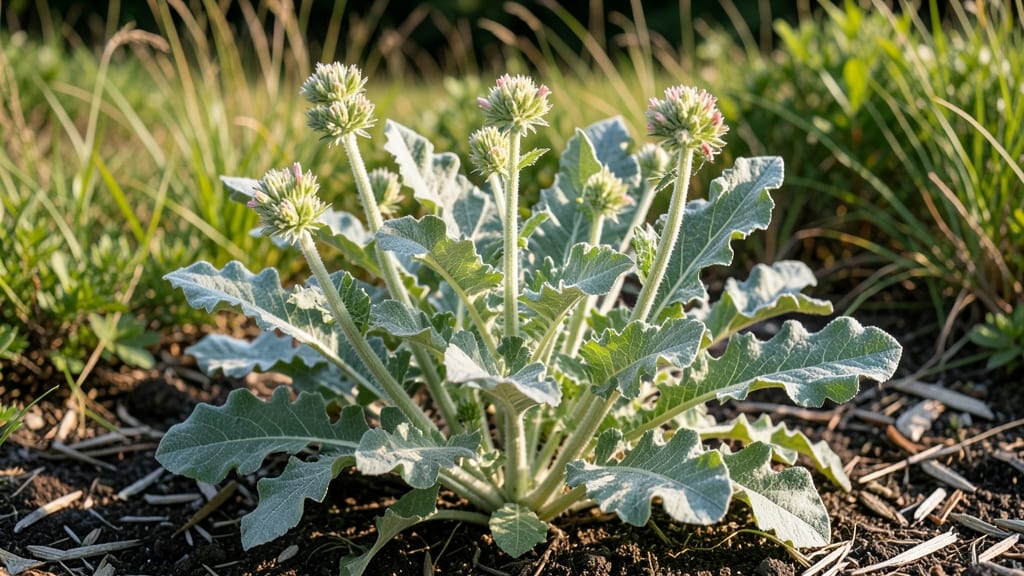
Growing oak leaf goosefoot means adding a hardy, edible green that thrives where most plants struggle. 🌿 This drought-resistant Chenopodium species produces tender leaves with a spinach-like flavor, perfect for hot, dry climates where water is scarce.
My first harvest last summer was shockingly productive—far more than I expected from a plant that barely needed watering. The secret to success lies in its minimal requirements: well-draining soil, full sun, and occasional watering once established.
It grows wild in desert regions but adapts beautifully to gardens, spreading quickly to form lush, low-maintenance patches. You’ll harvest young leaves in just 6-8 weeks, and the plants keep producing all season.
What makes this green special is its resilience—it handles heat waves, poor soil, and even light frosts better than most edible plants. The leaves taste best when picked young, and the seeds (though tiny) are edible too.
My neighbors now call it my "no-fuss" superfood, and I can’t argue with that. Perfect for beginners, drought-prone areas, or anyone tired of fussy greens. Let’s get yours growing!
📚 In This Guide
- What you need
- Instructions
- Tips and common mistakes
- Wrapping up and next steps
What you need
- ● Seeds: 10–20 oak leaf goosefoot seeds (organic, untreated preferred).
- ● Growing Containers or Garden Bed: For containers: 5–7" deep pots (2–3 seeds per pot).
- ● For in-ground planting: Well-draining soil in a sunny spot (6+ hours of light).
- ○ Soil: 1 part potting mix + 1 part sand or perlite (for drainage). Optional: Add compost for nutrient boost.
- ● Water: Spray bottle (for seedlings) or watering can with a fine rose.
- ○ Fertilizer (Optional but Helpful): Balanced organic fertilizer (e.g., 5-5-5) or fish emulsion.
- ● Hand Trowel or Small Spade (for planting seeds ¼" deep).
- ● Glove (to protect hands from prickly stems).
- ● Pruning Shears (for harvesting leaves or trimming mature plants).
- ○ Mulch (Optional): Straw or wood chips to retain moisture in hot climates.
- ● Sunlight & Patience: Full sun (6+ hours/day) and a low-maintenance mindset!
Step-by-Step guide to cultivating oak leaf goosefoot in hot climates
This resilient, drought-loving green thrives where other greens wilt—here's how to grow it with minimal fuss.
🌱 Step 1: Select the Perfect Planting Location
Oak leaf goosefoot adores full sun, so choose a spot receiving at least 6-8 hours of direct sunlight daily. I always scout for areas with afternoon shade potential—this plant can handle heat but appreciates a break from midday intensity. The soil should drain quickly; amending heavy clay with 2-3 inches of coarse sand or perlite prevents waterlogging, which this species detests.
Test your soil's pH—ideal range is 6.0-7.5. If your soil tests alkaline (above 7.5), mix in sulfur or peat moss to lower the pH slightly. I've seen goosefoot struggle in overly acidic soils, so don't skip this check. Mark the planting area with stakes to avoid disturbing roots later.
🌿 Step 2: Prepare the Soil and Plant Seeds
Work 1-2 inches of well-aged compost into the top 6 inches of soil to provide organic matter without compacting the mix. Goosefoot seeds germinate best at 70-85°F, so wait until soil temperatures stabilize above 65°F before sowing. Scatter seeds ¼ inch deep and 6 inches apart—they're tiny but pack a punch, so I use a seed tray to organize them before planting.
Gently cover seeds with a fine layer of soil and mist the area until moist but not soggy. You'll see first true leaves in 7-14 days, depending on warmth. If your climate stays consistently hot, germination happens faster; cooler nights may extend this window. Avoid overwatering now—goosefoot seeds rot easily in damp conditions.
☀️ Step 3: Maintain Minimal Water and Encourage Bushy Growth
Once seedlings emerge, water deeply every 5-7 days, allowing the top 2 inches of soil to dry between waterings. This drought tolerance is what makes goosefoot a star in hot climates—it stores water efficiently and rebounds quickly after dry spells. I water in the early morning to reduce evaporation and fungal risks.
Pinch back the top set of leaves when plants reach 4-6 inches tall to encourage bushier growth. This step is critical—without it, stems grow leggy and produce fewer leaves. You'll notice new side shoots forming within 7-10 days after pinching. Fertilize lightly with a balanced 10-10-10 formula every 4-6 weeks to support steady growth without promoting excessive foliage.
✂️ Step 4: Harvest and Prune for Continuous Production
Harvest outer leaves when they reach 3-4 inches long, leaving the inner growth to mature. I always cut with clean scissors just above a leaf node to stimulate new shoots. Regular harvesting prevents bolting—goosefoot tends to flower when stressed, and the leaves become bitter. You'll get continuous harvests if you maintain this routine.
If plants start flowering, snip off the blossoms immediately to redirect energy into leaf production. Goosefoot's edible flowers are lovely but sap energy from the greens. In hot climates, mulch with 2-3 inches of straw to retain moisture and suppress weeds. This plant is tough, but a little TLC keeps it producing through summer's peak heat.
Tips & tricks for perfect oak leaf goosefoot cultivation
These game-changing insights will help you coax the most vibrant, productive oak leaf goosefoot from even the harshest summer conditions.
Sunlight Strategy: While oak leaf goosefoot thrives in full sun, I've found that providing partial afternoon shade during the hottest months (June-August) actually increases leaf size and tenderness. Watch for leaves curling at midday—this is your cue to install temporary shade cloth. The plant's natural resilience means it can handle intense heat, but this simple adjustment prevents heat stress that can make leaves tough and bitter.
Soil Temperature Secret: The 65°F minimum soil temperature mentioned in Step 2 is non-negotiable for germination. I've learned to use a soil thermometer to verify this before planting, especially in spring or fall. If temperatures dip below this threshold, consider using a cold frame or row covers to create a microclimate. Once seeds sprout, they'll tolerate cooler conditions better than when trying to germinate.
Watering Wisdom: The 5-7 day watering schedule works beautifully, but I've discovered that mulching with 2-3 inches of straw right after planting extends this interval to 10-14 days in extreme heat. The mulch creates a moisture-retaining barrier while preventing soil compaction. Water deeply in the morning to allow foliage to dry completely by evening, which dramatically reduces fungal risks during humid periods.
Harvesting Hack: When harvesting those 3-4 inch leaves, I've found that using clean, sharp scissors to cut just above a leaf node stimulates faster regrowth. But here's the real game-changer: harvest in the morning when leaves are fully hydrated. The flavor is most concentrated at this time, and the leaves hold their shape better when cooked. I always rinse leaves immediately after cutting to remove any dirt or pests that might have accumulated overnight.
Pro Tips for Oak Leaf Goosefoot
- These game-changing insights will help you coax the most vibrant, productive oak leaf goosefoot from even the harshest summer conditions.
- Sunlight Strategy: While oak leaf goosefoot thrives in full sun, I've found that providing partial afternoon shade during the hottest months (June-August) actually increases leaf size and tenderness.
- Soil Temperature Secret: The 65°F minimum soil temperature mentioned in Step 2 is non-negotiable for germination.
Frequently asked questions
Got questions about growing oak leaf goosefoot? You’re not alone!
This resilient plant is a gardener’s dream, but a few key details can make all the difference. Below, we’ve answered the most common questions to help you cultivate this drought-tolerant green with confidence.
What’s the best time to plant oak leaf goosefoot?
Plant seeds or transplants in early spring after the last frost, or in late summer (6–8 weeks before your first fall frost). This gives roots time to establish before extreme heat or cold. Avoid planting in peak summer if your area has scorching temps—start indoors for a head start!
How long does it take for oak leaf goosefoot to mature?
Expect 45–60 days from seed to harvest for baby leaves, while full-sized plants (ready for cutting) take about 60–75 days. Fast-growing and heat-loving, it thrives in short-season climates—perfect for container gardens or quick harvests. Patience pays off, but don’t wait too long—young leaves are the tastiest!
How often should I water oak leaf goosefoot?
Once established, this plant is drought-tolerant, but young seedlings need consistent moisture (water 1–2 inches per week). Mulch heavily to retain water, and avoid soggy soil—goosefoot hates "wet feet." In extreme heat, a deep watering every 5–7 days keeps it happy without waste.
Can I grow oak leaf goosefoot in containers?
It’s a container-friendly choice—use pots at least 12 inches deep with drainage holes. A 5-gallon container works for 1–2 plants. Ensure it gets full sun (6+ hours/day) and well-draining soil. Ideal for balconies, patios, or small spaces where water conservation is key.
What pests or diseases should I watch for?
Oak leaf goosefoot is pest-resistant, but keep an eye out for aphids or spider mites in dry conditions. Treat with neem oil if needed. Overwatering can lead to root rot, so prioritize drainage. Healthy plants rarely struggle—just avoid crowded growth and ensure airflow.
How do I harvest and use the leaves?
Harvest young leaves (3–4 inches long) by snipping stems just above a leaf node. For a bushier plant, cut outer leaves first. Use raw in salads, sautéed like spinach, or blended into smoothies. Older leaves are tougher but still edible—cook them longer. Store fresh leaves in the fridge for up to 5 days or freeze for later.
Wrapping up and next steps
Ready to grow your own drought-resistant, nutrient-packed greens? Oak leaf goosefoot is a fantastic choice for hot climates—easy to cultivate, hardy, and packed with flavor. Whether you're a seasoned gardener or just starting, this resilient plant offers a low-maintenance way to boost your garden’s sustainability and your kitchen’s freshness.
Start small—plant a few seeds or seedlings this season and watch your oak leaf goosefoot thrive! For extra tips, explore local gardening groups or experiment with companion plants to maximize your harvest. Happy growing! 🌱💚