
Light Requirements
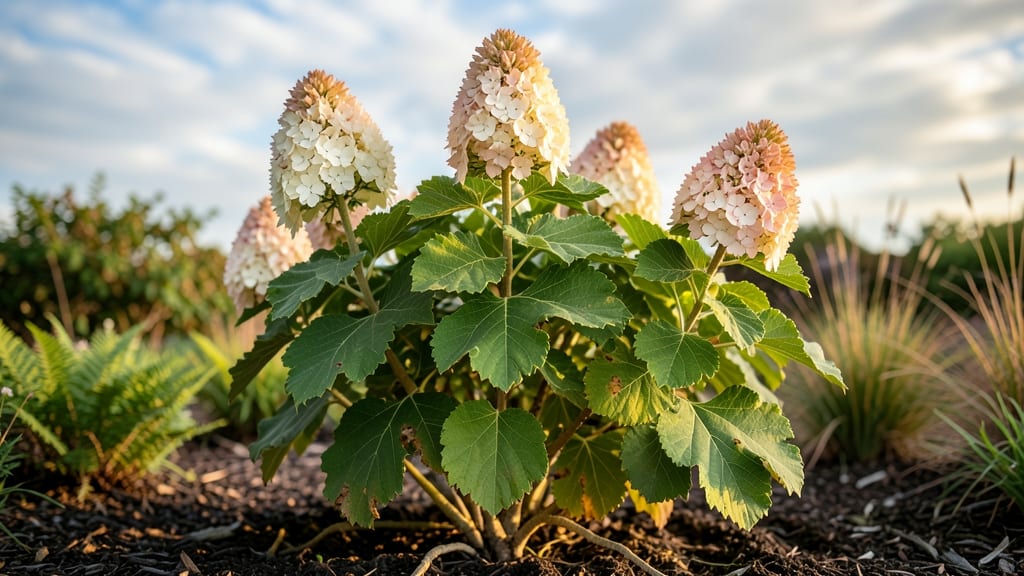
The oakleaf hydrangea light requirements are simple yet crucial: its stunning foliage thrives with 4-6 hours of morning sun and afternoon shade 🌸 — a balance that turns green leaves into fiery reds and purples.
Struggling to keep your oakleaf hydrangea’s stunning foliage vibrant all season? The secret isn’t just water or soil — it’s mastering the delicate balance of light exposure that transforms ordinary green leaves into fiery shades of red, purple, and orange.
Too much direct sun can scorch those delicate leaves, while too little shade dulls the colors you planted for. In USDA Zone 6a, where spring arrives in April and summer lingers into October, finding the right spot means watching the sun’s path and adjusting as the seasons shift.
Below, I’ll break down exactly how to position your oakleaf hydrangea for peak color, troubleshoot common light mistakes, and keep those leaves glowing from spring through fall.

Oakleaf hydrangea light requirements: ideal sunlight balance for foliage color
If you’ve ever watched your oakleaf hydrangea’s leaves stay disappointingly green instead of transforming into vibrant burgundy or fiery red, the issue likely lies in its light exposure balance. These shrubs thrive on a morning sun and afternoon shade routine that most gardeners overlook.
Without this precise balance, you’ll miss the stunning seasonal color shifts that make oakleaf hydrangeas so prized.
The key to unlocking those deep autumn hues lies in understanding how light intensity and duration interact with your plant’s physiology. Too much direct sun causes leaf scorch and faded coloration, while too little shade leads to weak growth and pale, underwhelming foliage.
Let’s break down the science-backed light requirements that will transform your hydrangea from ordinary to extraordinary.
| Light Condition | Daily Sun Exposure | Leaf Color Impact | Best For |
|---|---|---|---|
| Morning Sun + Afternoon Shade | 3-6 hours direct sun (AM only) | Optimal burgundy/red transformation | Ideal foliage color development |
| Full Sun (6+ hours) | 6+ hours direct sun | Green leaves, risk of scorch | Hot, arid climates (with afternoon shade) |
| Partial Shade (3-4 hours) | 3-4 hours filtered sun | Muted green/bronze tones | North-facing gardens or dense canopies |
| Deep Shade (<3 hours) | <3 hours direct sun | Pale, weak growth, poor color | Avoid in most climates |
For the best foliage color, aim for 3-6 hours of morning sunlight followed by afternoon shade protection. This mimics the plant’s natural habitat in woodland understories, where dappled light filters through canopy leaves.
The UV index during midday (especially in summer) can exceed what oakleaf hydrangeas tolerate, causing leaf burn and color fading.
In hot climates (Zones 7-9), even morning sun can be intense. Here, I recommend dappled shade from trees or a 50% shade cloth during peak hours (11 AM–3 PM).
The goal is to reduce light intensity by 30-50% while maintaining enough brightness to trigger the anthocyanin production responsible for those stunning reds.
Conversely, cool climates (Zones 3-6) often benefit from more direct morning sun (up to 6 hours) because afternoon shade is naturally provided by shorter daylight. In these regions, the colder temperatures reduce the risk of leaf scorch, allowing for bolder color development.
Test your plant’s tolerance by gradually increasing morning sun exposure over 2-3 weeks.
The seasonal light adjustments are equally critical. In summer, when the sun is strongest, I move my oakleaf hydrangeas to slightly shadier spots or use reflective mulch to bounce light away.
During spring and fall, when light is gentler, they thrive with more direct exposure, which enhances their color transformation as temperatures drop.
One common misconception is that more sun always equals better growth. For oakleaf hydrangeas, this is false. Excessive sunlight inhibits anthocyanin production, the pigment responsible for the red and purple hues.
Instead, focus on balanced light exposure that keeps leaves cool and hydrated. A simple test: If your hydrangea’s leaves feel hot to the touch in the afternoon, it’s getting too much sun.
To maximize color, pair your light adjustments with proper pruning. Remove overly dense growth in early spring to improve air circulation and light penetration. This ensures even color distribution across all foliage rather than just the outer leaves.
For container-grown oakleaf hydrangeas, rotate the pot quarter-turns weekly to ensure uniform light exposure on all sides.
If your hydrangea’s leaves are staying green year-round, it’s a clear sign of insufficient light intensity. Try relocating it to a sunnier spot with morning sun or supplement with a grow light for 4-6 hours daily during winter.
The color transformation from green to burgundy typically begins in late summer, so patience is key—don’t expect instant results.
For peak performance, combine these light strategies with consistent moisture and well-draining soil. Oakleaf hydrangeas are thirsty plants that need 1-1.5 inches of water weekly, especially during their active growth phase (spring to early fall).
The right light balance will ensure your hydrangea doesn’t just survive—but thrives with show-stopping foliage all season long.
How to adjust light conditions for oakleaf hydrangea peak performance
Your oakleaf hydrangea’s foliage color and plant health depend heavily on how you manage its light exposure. In hot, dry climates, afternoon shade becomes non-negotiable, while cool, humid regions can handle morning sun with ease.
The key is flexibility—adapting your approach based on your local climate and seasonal shifts.
Start by observing your hydrangea’s current light conditions. If leaves are burning or wilting by midday, it’s getting too much direct sun. Conversely, if growth is slow or leggy, it needs more light. These visual cues will guide your adjustments, ensuring your plant thrives without stress.
🌿 5 Key Adjustments for Oakleaf Hydrangea Light
- 1. Morning Sun, Afternoon Shade: Plant in east-facing locations to capture gentle morning rays while avoiding harsh afternoon heat. Use lattice screens for afternoon protection in hot climates.
- 2. Prune Strategically: Thin out dense branches to improve air circulation and reduce leaf scorch. Aim for 30-40% openness in the canopy for balanced light penetration.
- 3. Seasonal Light Shifts: In summer, provide 2-4 hours less sun than in spring/fall. Move potted hydrangeas to shadier spots during peak heat (June-August).
- 4. Mulch for Microclimate Control: Apply 3-4 inches of mulch to regulate soil temperature. Dark mulch absorbs heat in cool climates, while lighter mulch reflects it in hot areas.
- 5. Adjust for Humidity: In humid regions, increase airflow around the plant (e.g., spacing shrubs 3-5 feet apart) to prevent fungal issues from excessive moisture combined with bright light.
For hot/dry climates, prioritize dappled shade—think of the light filtering through tree canopies or sheer fabric screens. In these conditions, hydrangeas often reward you with brighter red/purple foliage because the cooler temperatures enhance anthocyanin production.
In cool/humid climates, you can push the boundaries slightly by giving your hydrangea 4-6 hours of morning sun. The extra light boosts growth, and the humidity helps maintain lush foliage. Just watch for powdery mildew—a common issue when humidity meets bright light.
Don’t forget to rotate potted hydrangeas every few weeks so all sides get even light exposure. This prevents uneven growth and ensures your plant stays symmetrical and vibrant from every angle. A little extra effort here pays off in stunning seasonal displays.