
Aphids
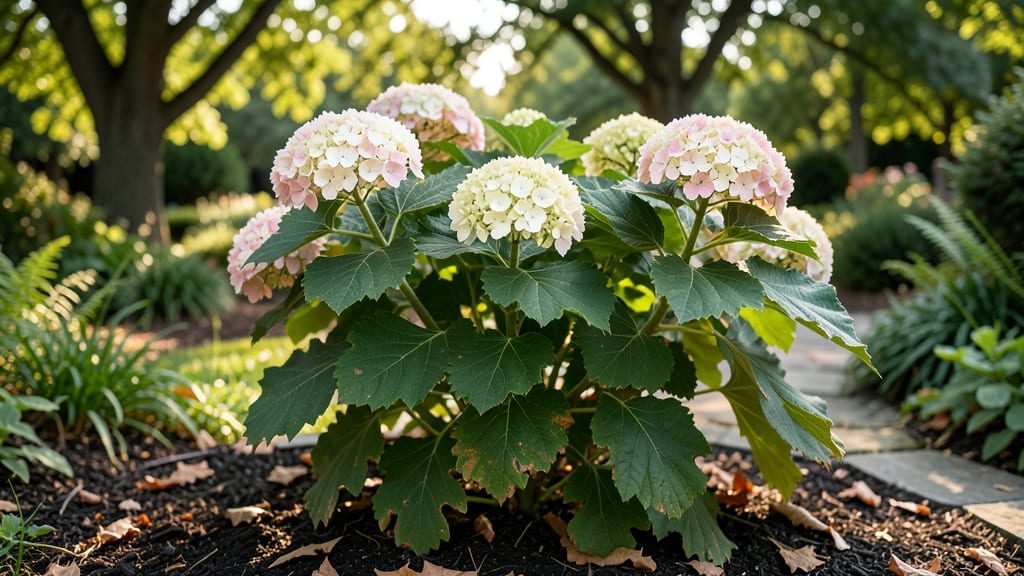
Finding oakleaf hydrangeas near you is the first step to adding year-round drama to your garden that no other shrub can match. 🌿 These plants burst with white summer blooms that fade to blush pink, all while their leaves turn fiery red, orange, or purple in fall—then stay stunning through winter.
The secret to their success? They thrive in zones 5-9, handle heat and humidity, and even tolerate partial shade, making them perfect for almost any yard.
Start your search at local nurseries specializing in native plants or big-box stores with garden centers—they often carry oakleaf hydrangeas in spring and fall. For instant results, check online retailers like PlantSwaps or LocalHarvest.org, where you can filter by your ZIP code.
Pro tip: Look for 3-5 gallon pots with sturdy stems and no yellowing leaves—those are signs of a healthy plant ready to take root.
Once planted, oakleaf hydrangeas become the backbone of your garden, offering structure and color through every season. Pair them with azaleas for spring blooms, ferns for shade, or evergreen shrubs to create a lush, layered look.
Their large, oak-shaped leaves add texture, while their blooms attract butterflies and hummingbirds—making them a low-maintenance superstar that works in borders, foundation plantings, or even as a standalone specimen.
If you're in a cooler zone, group them with dogwoods or serviceberry for winter interest, while warmer climates pair well with crape myrtles or gardenias. Just remember: they love well-draining soil and morning sun, so pick a spot where they won’t bake in afternoon heat.
With the right placement, your oakleaf hydrangea will outshine other shrubs for decades—and become the envy of the neighborhood.
📚 In This Guide
- What you need
- Instructions
- Tips and common mistakes
- Wrapping up and next steps
What you need
- ● Oakleaf hydrangea plants (1-3, depending on desired coverage; check local nurseries for varieties like 'Snow Queen,' 'Pee Wee,' or 'Alice')
- ● High-quality, well-draining potting mix (5-10 gallons, depending on pot size; look for acid-loving plant blends)
- ● Garden soil amendment (2-3 bags of peat moss or compost to enrich soil, especially if clay-heavy)
- ● Slow-release fertilizer (10-20 lbs, acidic formula like 10-10-10 or 8-3-9)
- ● Mulch (3-5 cubic feet of pine bark or shredded leaves to retain moisture and acidify soil)
- ● Watering can or hose with a gentle spray nozzle (for post-planting hydration)
- ● Gloves and knee pads (for comfortable digging and handling)
- ● Trowel or hand shovel (for digging holes, 6-8 inches deep)
- ● Garden fork (to loosen compacted soil)
- ● Measuring tape (to ensure proper spacing: 3-5 feet apart for mature shrubs)
- ● Pruning shears (for trimming dead branches or shaping young plants)
- ● Wheelbarrow or bucket (for transporting soil and amendments)
- ● Soil pH test kit (to confirm acidity, ideal range: 5.0–6.0)
- ● Epsom salt (1 lb, for magnesium boost if leaves show yellowing)
- ● Plant support stakes (for young or top-heavy varieties)
- ● Drip irrigation system (for consistent moisture in hot climates)
- ● Fungicide spray (preventative measure against powdery mildew)
How to select and plant oakleaf hydrangeas for stunning year-round foliage
Here’s how to choose the perfect oakleaf hydrangea and plant it for maximum impact—no guesswork involved.
🌱 Step 1: Choose the Right Variety for Your Climate and Space
Oakleaf hydrangeas thrive in USDA zones 5-9, but cooler climates favor compact varieties like 'Snow Queen' while warmer zones handle larger types like 'Pee Wee'. Check your local nursery for disease-resistant options—look for labels mentioning powdery mildew resistance, which is common in humid areas.
Measure your planting space: mature oakleaf hydrangeas typically reach 6-12 feet tall and wide, depending on variety. If you have limited room, 'Little Lime' stays under 4 feet while still delivering bold foliage. I always verify mature size before buying, because even small plants grow fast.
☀️ Step 2: Pick the Perfect Sunny Spot with Protection
Oakleaf hydrangeas love morning sun and afternoon shade, especially in hotter climates. The key is avoiding midday sun scorching—their leaves turn crispy when exposed too long. A location near a north-facing wall or under high-canopy trees works beautifully.
Test your spot for 6+ hours of indirect light by observing how nearby plants grow. If their leaves look stressed (yellowing or curling), move your hydrangea to a slightly shadier area. The ideal site also has well-draining soil—if water pools after rain, amend with compost to improve drainage.
🪴 Step 3: Plant at the Right Depth and Stake for Support
Dig a hole twice as wide as the root ball but only as deep—planting too deep suffocates roots. Gently loosen the roots if they’re circling and position the plant so the top of the root ball sits 1 inch above soil level. This prevents rot during heavy rains.
Fill the hole halfway with native soil mixed with 2-3 inches of organic mulch, then water deeply to settle everything. Insert a 3-foot stake at a 45-degree angle before backfilling completely. Oakleaf hydrangeas have weak stems early on, and staking prevents flopping in wind or rain.
💧 Step 4: Water Deeply and Mulch for Retention
Water once a week for the first month, soaking the root zone until moisture reaches 12 inches deep. You’ll know it’s enough when water drains from the bottom of the hole. After that, water every 10-14 days unless your area experiences drought—hydrangeas hate dry spells.
Spread 3 inches of mulch (wood chips or pine straw) around the base, keeping it 6 inches away from the trunk to prevent rot. Mulch locks in moisture and regulates soil temperature, which is especially helpful in summer heat. Replenish mulch annually to maintain protection.
✂️ Step 5: Prune Strategically for Health and Blooms
Prune late winter or early spring (before buds swell) to remove dead or crossing branches. Cut just above a leaf node at a 45-degree angle—this encourages new growth. Avoid heavy pruning, as oakleaf hydrangeas bloom on old and new wood, so you’ll still see flowers even if you skip pruning.
Watch for yellowing leaves in summer—this often signals overwatering. Adjust your schedule if the soil stays soggy for more than 48 hours after watering. With proper care, your oakleaf hydrangea will reward you with vibrant fall foliage and delicate summer blooms for decades.
Tips & tricks for perfect oakleaf hydrangea planting
Here’s what I’ve learned after planting and maintaining oakleaf hydrangeas for years—these details make all the difference between a struggling shrub and a showstopper.
Variety Selection: When choosing your oakleaf hydrangea, prioritize disease resistance above all else. In humid climates, look specifically for 'Annabelle' or 'Snow Queen' varieties—they handle powdery mildew far better than others. I’ve seen otherwise healthy plants ruined by this fungus, so don’t skip this step. Also, verify mature size before purchasing; that 2-foot potted plant will easily reach 10 feet tall if it’s a 'Pee Wee' variety.
Sunlight Strategy: The morning sun/afternoon shade rule is non-negotiable for preventing leaf scorch. In my own garden, I’ve noticed that even 2 hours of midday sun can cause crispy edges on the leaves. If you’re unsure about your location, observe nearby plants—if their leaves show signs of stress (yellowing or curling), your hydrangea will too. A north-facing wall provides perfect protection while still allowing enough light for vibrant foliage.
Planting Depth: The 1-inch above soil level rule is critical—planting too deep suffocates roots and leads to rot. I’ve made this mistake myself, thinking "more soil equals better drainage." Instead, focus on creating a well-draining environment by mixing 2-3 inches of organic mulch into the backfill. This improves aeration while retaining moisture without waterlogging the roots.
Watering Wisdom: Those first 4 weeks are crucial for establishing roots. I’ve found that using a moisture meter helps determine when the root zone reaches 12 inches deep—it’s easy to underestimate how much water your hydrangea actually needs. After the initial month, adjust your watering schedule based on rainfall; in drought conditions, I’ve extended the interval to every 7-10 days while monitoring soil moisture closely.
Pro Tips for Oakleaf Hydrangea Near Me
- Here’s what I’ve learned after planting and maintaining oakleaf hydrangeas for years—these details make all the difference between a struggling shrub and a showstopper.
- Variety Selection: When choosing your oakleaf hydrangea, prioritize disease resistance above all else.
- Sunlight Strategy: The morning sun/afternoon shade rule is non-negotiable for preventing leaf scorch.
Frequently asked questions
Got questions about finding or growing oakleaf hydrangeas?
Here are the answers to the most common queries—so you can confidently add this showstopper to your garden!
Where can I find oakleaf hydrangeas near me?
Start by checking local nurseries or garden centers that specialize in native plants or shrubs. Many big-box stores like Home Depot or Lowe’s also carry them in spring or fall. For rare varieties, try online plant shops or Facebook Marketplace—just verify the seller’s reputation! Pro tip: Call ahead to confirm stock, especially in winter.
When is the best time to plant oakleaf hydrangeas?
The ideal window is early spring or early fall when temperatures are mild (50–70°F). Avoid extreme heat or frost—roots need time to establish before winter. Spring planting gives them a full growing season, while fall planting lets them settle before dormancy. Water deeply after planting and mulch to retain moisture.
Are oakleaf hydrangeas prone to pests or diseases?
They’re generally tough, but watch for aphids, spider mites, or powdery mildew in humid climates. Prevention tips:
- Ensure good airflow around plants.
- Water at the base (avoid wetting leaves).
- Prune dead or crowded branches in late winter.
Can I grow oakleaf hydrangeas in containers?
Yes! Choose a large pot (at least 15–20 gallons) with drainage holes and use well-draining soil. Opt for dwarf varieties like ‘Little Quickfire’ for smaller spaces. Move containers to partial shade in summer and full sun in cooler months. Winterize by wrapping pots in burlap if temps drop below 10°F.
What’s the difference between oakleaf and bigleaf hydrangeas?
Oakleaf hydrangeas (Hydrangea quercifolia) have lobed, oak-like leaves and cone-shaped blooms that turn rusty red in fall. Bigleaf hydrangeas (H. macrophylla) feature rounder leaves and mophead or lacecap flowers that change color based on soil pH. Oakleaf varieties also thrive in heat and humidity, making them low-maintenance superstars!
Wrapping up and next steps
Transforming your garden with oakleaf hydrangeas is a rewarding choice—this stunning shrub brings year-round beauty, low maintenance, and adaptability to almost any landscape. Whether you’re drawn to their vibrant fall foliage, delicate blooms, or deer-resistant charm, these plants are a game-changer for curb appeal and eco-friendly gardening. 🌿
Ready to elevate your outdoor space? Start by locating a local nursery (use our "near me" guide!) or checking with gardening experts for expert tips on planting and care. With the right spot and a little love, your oakleaf hydrangea will thrive—and so will your garden’s allure! 🌸