
Leaf Blower
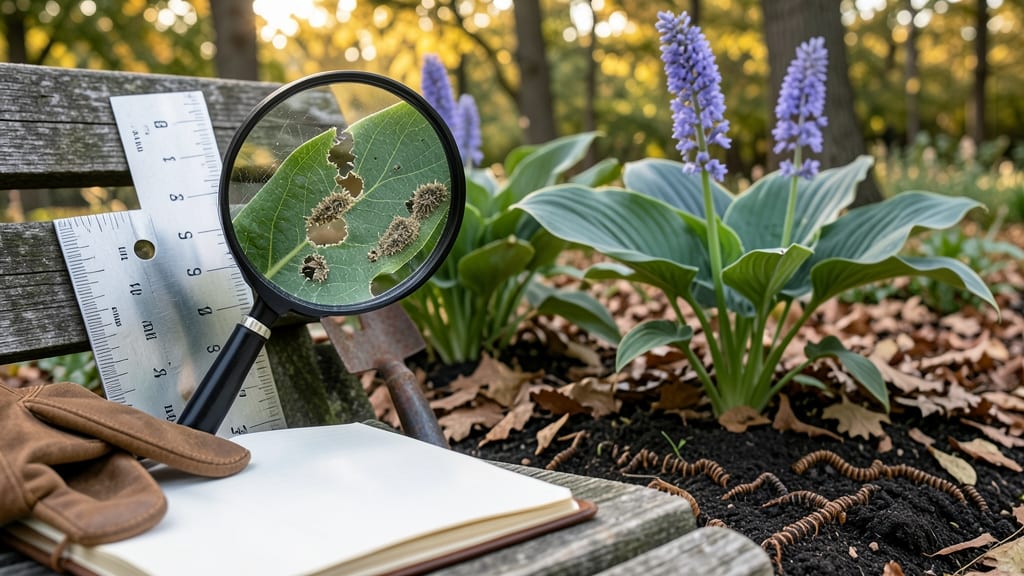
Hosta leaf damage pictures reveal the battle raging in your garden—each chewed edge and brown spot tells a story. 🌿 I’ve spent years diagnosing these telltale signs, from slug slime trails to fungal leaf spots, and I’m breaking down exactly what you’re seeing and how to fix it before your hostas look like Swiss cheese.
Those ragged, jagged holes? Slugs or deer. Yellow spots with black centers? Fungal leaf spot. Dark, mushy patches? Bacterial rot. The damage isn’t just unsightly—it weakens your plants, leaving them vulnerable to worse problems.
But here’s the good news: most fixes are simple, like removing slugs at night or adjusting watering habits to prevent fungal growth.
With the right approach, you’ll restore those lush, deep-green leaves in no time. We’ll cover organic treatments, cultural fixes, and prevention tips so your hostas stay vibrant all season. No more guessing—just clear, actionable steps to save your plants.
Whether you’re dealing with chewed foliage or mysterious spots, this guide gives you the visual clues and solutions you need. Let’s turn those damaged leaves into healthy growth before you know it.
Root Causes Of Leaf Damage
Hosta leaves are a garden staple, prized for their lush foliage and striking patterns—but when those leaves start showing signs of distress, it’s often due to a mix of environmental stressors, pests, or diseases. Understanding why hosta leaf damage occurs is the first step to preventing it.
Below, we break down the most common culprits, backed by science, so you can diagnose and treat the problem like a pro.
Pests are the most visible (and frustrating) cause of hosta leaf damage, often leaving behind unmistakable signs like holes, slime trails, or skeletonized foliage. Here’s what’s really happening:
🐌 Slugs & Snails: The Overnight Devastators
Slugs and snails are mollusks that feed on hosta leaves using a specialized structure called a radula—a tongue-like organ lined with tiny teeth. They prefer soft, tender leaves and leave behind:
- Irregular holes with smooth edges (no jagged tears).
- Silvery slime trails on leaves, stems, or soil.
- Ragged, chewed edges if they return to the same spot repeatedly.
Why it happens: These pests thrive in humid, shaded conditions (hostas’ ideal habitat) and are most active at night or after rain. Their damage is often worse in spring and fall, when moisture levels are high.
🐜 Japanese Beetles: The Skeletoning Bandits
Japanese beetles (Popillia japonica) are metallic-green invaders that target hosta leaves in broad, ragged patches, leaving only the leaf veins intact—a pattern called "skeletonizing."
- Adult beetles chew leaves from the top down.
- Grubs (larvae) feed on roots, weakening the plant and making it more susceptible to leaf damage later.
Why it happens: These beetles are drawn to hostas’ high tannin content, which they use as a food source. They’re most active in late summer and are attracted to yellow flowers (like roses), which they use for navigation.
🦋 Sawfly Larvae: The Green Menaces
Sawfly larvae (often mistaken for caterpillars) are green, smooth-bodied, and feed in groups, creating window-pane-like holes in hosta leaves.
- They do not spin silk (unlike some caterpillars).
- Their frass (droppings) is black and granular, often found near feeding sites.
Why it happens: Sawflies lay eggs on the underside of hosta leaves in spring. The larvae emerge and feed voraciously for 2–3 weeks, often defoliating entire plants if left unchecked.
🐜 Leaf Miners: The Hidden Tunnelers
Leaf miners (Agromyzidae family) are tiny flies whose larvae burrow inside hosta leaves, creating blister-like trails or serpentine patterns visible through the leaf surface.
- Infested leaves may yellow, brown, or dry out as the larvae feed.
- You might spot small exit holes where the larvae pupate.
Why it happens: Adult leaf miners lay eggs on the leaf surface, and the larvae hatch to feed internally. They prefer young, tender leaves and thrive in warm, humid conditions.
Not all leaf damage comes from pests—sometimes, it’s Mother Nature causing the chaos. Here’s how:
☀️ Sunburn: When Too Much Light Scorches Leaves
Hosta leaves are shade-loving and contain high levels of chlorophyll to thrive in low-light conditions. When exposed to direct sunlight, they can develop:
- Bleached or white patches (especially on variegated varieties).
- Brown, crispy edges (like a sunburn).
- Yellowing between veins (a sign of chlorosis, or nutrient deficiency under stress).
Why it happens: Hostas are not drought-tolerant—they need consistent moisture to protect their cells from oxidative damage caused by UV rays. When soil dries out, leaves lose turgor pressure, making them more vulnerable to sunburn.
💧 Overwatering: The Silent Killer
While hostas love moisture, poor drainage or excessive watering can lead to:
- Yellowing leaves with mushy stems (a sign of root rot caused by Phytophthora fungi).
- Brown, wilted patches that spread quickly.
- Foul-smelling soil (a red flag for bacterial or fungal infections).
Why it happens: Hostas have fibrous root systems that need well-draining soil. If planted in clay-heavy or compacted soil, water pools around roots, creating anaerobic conditions that suffocate roots and invite pathogens.
❄️ Frost & Freeze Damage: Winter’s Brutal Wake-Up Call
Hosta leaves are not winter-hardy—they die back in cold climates, but late frosts or early freezes can cause:
- Blackened, mushy leaves (from freeze-thaw cycles).
- Brown, papery edges (a sign of cold stress).
- Stunted growth the following spring.
Why it happens: Hostas are perennials, meaning they go dormant in winter. However, new growth in early spring is extremely vulnerable to frost. If temperatures dip below 28°F (-2°C), cell membranes rupture, leading to irreversible damage.
Microorganisms can turn hosta leaves into a soupy mess if conditions are right. Here’s how they strike:
🍄 Fungal Leaf Spot: The Spotted Menace
Fungal leaf spots (caused by Alternaria or Septoria) appear as:
- Dark brown or black spots with yellow halos.
- Tiny black specks (fungal spores) in the center of spots.
- Premature leaf drop if severe.
Why it happens: Fungi thrive in humid, stagnant conditions. They spread via water splashes (like from overhead irrigation) and survive in plant debris over winter. Warm, rainy springs are their peak season.
🦠 Bacterial Soft Rot: The Smelly Destroyer
Bacterial soft rot (Erwinia species) causes:
- Mushy, foul-smelling leaves that collapse.
- Water-soaked lesions that ooze when touched.
- Blackened stems at the base.
Why it happens: Bacteria enter through wounds (like from pests or pruning) and thrive in wet, crowded conditions. They’re more common in overwatered or poorly ventilated gardens.
Now that you know the real culprits behind hosta leaf damage, you’re equipped to diagnose the problem and take targeted action. Next, we’ll dive into how to treat each issue—so your hostas can bounce back stronger than ever! 🌿💪
Fixing Your Hosta’s Leaf Damage
Now that you’ve identified the culprit behind your hosta’s leaf damage—whether it’s slugs, deer, fungal spots, or even overwatering—it’s time to take action! 🌿 Here’s a clear, step-by-step guide to treating and preventing further harm, tailored to the most common causes.
If your hosta leaves have jagged edges or large, irregular holes, slugs and snails are likely the culprits. These nocturnal pests thrive in damp, shady spots—perfect for hosta gardens.
🔥 Step 1: Set Up Physical Barriers
- Copper tape or wire: Slugs hate copper! Wrap a strip around your hosta’s base or create a small moat filled with water (they’ll drown trying to cross).
- Diatomaceous earth (DE): Sprinkle a thin layer around the base. It’s non-toxic to plants but deadly to slugs (just reapply after rain).
- Crushed eggshells or gravel: Acts as a deterrent—slugs avoid rough textures.
🍳 Step 2: Use Organic Baits
- Beer traps: Bury a shallow dish filled with beer near your hostas. Slugs are attracted to it and drown—simple and effective!
- Iron phosphate baits: Products like Sluggo are pet-safe and break down in the soil.
💡 Pro Tip: Water in the morning so soil dries faster, making it less inviting for slugs. Also, remove hiding spots like mulch piles or dense ground cover.
If your hosta leaves are neatly chewed (like a lawnmower went through them), deer or rabbits are likely the offenders. These herbivores are drawn to tender new growth.
👨🍳 Step 1: Install Repellents
- Spray repellents: Use Liquid Fence or Deer Out (contains putrescent eggs or garlic). Reapply every few weeks or after rain.
- Motion-activated sprinklers: Devices like ScareCrow startle deer with a sudden spray of water.
- Strong scents: Plant deer-resistant alternatives nearby, like Lavender, Rue, or Foxglove, or place cotton balls soaked in peppermint oil around the base.
⏰ Step 2: Protect with Physical Barriers
- Fencing: A 6-8 ft tall fence is the gold standard, but even a 4 ft fence can work if electrified.
- Netting or row covers: For smaller gardens, drape lightweight netting over young hostas until they mature.
🎯 Pro Tip: Rotate repellent methods to prevent deer from becoming immune. Also, avoid planting hostas near wooded edges—deer prefer easy access!
Brown or black spots with yellow halos? Fungal diseases like Alternaria or Septoria love damp, stagnant conditions. Here’s how to fight back:
🔪 Step 1: Prune and Dispose of Infected Leaves
- Remove damaged foliage: Cut off and discard (don’t compost!) spotted leaves immediately. Wear gloves to avoid spreading spores.
- Sterilize tools: Wipe pruners with rubbing alcohol between cuts.
🌡️ Step 2: Improve Airflow and Drainage
- Space plants apart: Overcrowding traps moisture. Thin out hostas if needed.
- Raise beds: If growing in containers, ensure pots have drainage holes. For in-ground hostas, amend soil with compost to improve drainage.
- Water wisely: Water at the base (not overhead) in the early morning so leaves dry quickly.
✨ Step 3: Apply Fungicides
- Copper fungicide: Spray on a dry, calm day (follow label instructions). It’s preventive and works for many fungal issues.
- Neem oil: A natural option that disrupts fungal spores. Mix 1 tbsp neem oil + 1 tsp mild soap per quart of water, then spray.
💡 Pro Tip: Avoid overhead irrigation entirely if possible. Drip irrigation or soaker hoses keep foliage dry and reduce fungal risks.
Yellowing leaves with mushy stems or roots? Your hosta might be drowning. Hostas prefer moist (not soggy) soil.
🔥 Step 1: Check the Soil
- Dig a small hole: If water pools after 10 minutes, drainage is poor. Amend soil with perlite, sand, or compost to loosen it.
- Test moisture: Stick your finger 2 inches into the soil. If it’s damp after 24 hours, cut back on watering.
🍳 Step 2: Revise Watering Practices
- Water deeply but infrequently: Once a week (or less) is often enough, depending on your climate. Let the top inch of soil dry out between waterings.
- Avoid soggy spots: Ensure your garden has proper slope or use raised beds for hostas in heavy clay soil.
💡 Pro Tip: Mulch with shredded bark or straw to retain moisture without suffocating roots. Keep mulch 2-3 inches away from the crown.
Regardless of the cause, these habits will keep your hostas thriving: - Rotate plants: Swap hosta varieties yearly to confuse pests (e.g., deer or slugs). - Inspect regularly: Catch damage early with weekly checks, especially after rain or new growth. - Boost plant health: Feed with balanced fertilizer (10-10-10) in spring and a slow-release option in fall.
Healthy plants resist pests better! - Companion planting: Surround hostas with Allium (garlic family) or Marigolds to deter pests naturally.
With these targeted fixes, your hosta should bounce back in no time. 🌟 The key is acting fast—whether it’s slamming a beer trap on slugs or pruning fungal spots—and giving your plants the right conditions to thrive. Happy gardening!
Frequently asked questions
How can I tell if my hosta damage is from slugs vs. deer?
Slug damage shows irregular holes with smooth edges and silvery slime trails on leaves or soil. Deer leave neat, jagged edges like a lawnmower cut, often targeting the most tender new growth. Check for other chewed plants in your yard—deer usually take bites from multiple species!
Are those brown spots on my hosta leaves fungal or just dirt?
If the spots have yellow halos and tiny black specks (spores), it's fungal leaf spot. Dirt would wash off easily and wouldn't have these distinct patterns. Rub a leaf gently—if the spots stay put and look velvety, it's a fungal infection needing treatment.
Can I still save my hosta if half the leaves are chewed away?
Yes! Hostas are resilient. Remove heavily damaged leaves to redirect energy to new growth. Apply compost or balanced fertilizer to help recovery, and protect remaining leaves with copper tape (for slugs) or deer repellent. Your plant will often regrow fully within 4-6 weeks if roots are healthy.
Why do my hosta leaves look healthy but have brown edges?
This is likely sunburn or drought stress. Hostas need shade and consistent moisture. Move your plant to a shadier spot if possible, and water deeply once a week (or more in extreme heat). Mulch around the base to retain moisture and prevent soil from drying out too quickly.
How do I know if my hosta has bacterial rot vs. fungal disease?
Bacterial rot causes mushy, foul-smelling leaves that collapse easily, often with ooze when touched. Fungal diseases show dry spots with spores (no odor). For bacterial rot, improve drainage immediately and remove infected parts. Fungal issues respond better to copper fungicide and better airflow.