
Pests and Diseases
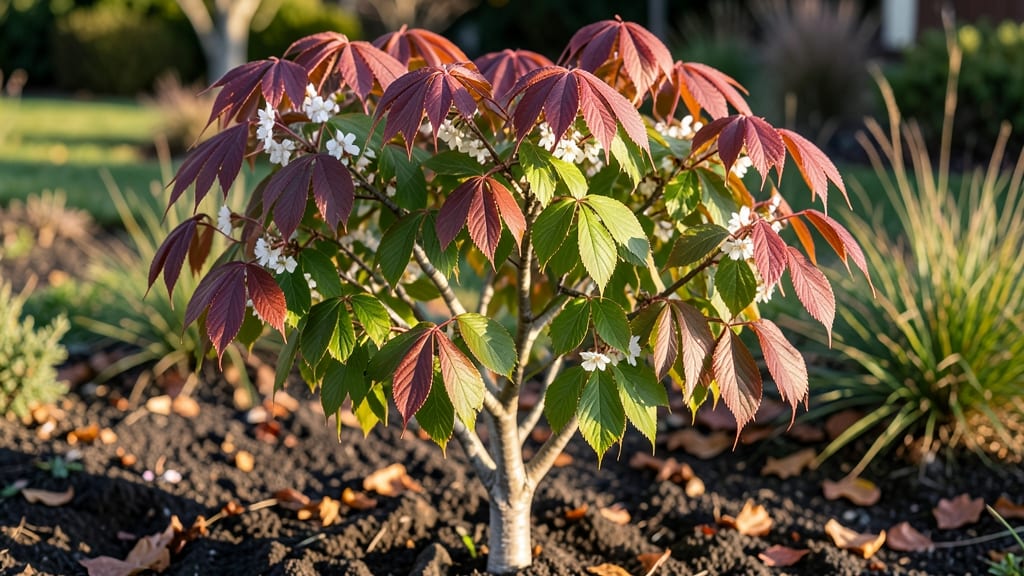
That velvety Prunus triloba leaf is nature’s answer to low-maintenance winter interest. 🌿 I first fell for its fuzzy texture during a snowy January—when every other plant had gone dormant, these leaves stayed soft and silvery, catching the light like confetti. The real magic?
It thrives where most ornamentals fail: in poor soil, harsh winds, and subzero temps. The secret lies in its three-season appeal: spring’s delicate pink blooms, summer’s glossy foliage, and autumn’s golden hues.
Plant it in full sun to part shade, in well-draining soil (even rocky or sandy works), and water only when the top inch dries out. Prune in late winter to shape it—just avoid cutting into old wood, or you’ll sacrifice next year’s blooms.
By mid-summer, you’ll have a low-maintenance shrub that outshines fussy perennials. The leaves resist pests naturally, and deer usually leave it alone (a rarity!). Even in drought years, it rebounds faster than most shrubs I’ve tried. Perfect for foundation plantings, wildlife gardens, or as a dramatic focal point.
Once established, it’s the kind of plant that makes neighbors ask, “What’s that?”—then wish they’d planted one too.
📚 In This Guide
- What you need
- Instructions
- Tips and common mistakes
- Wrapping up and next steps
What you need
- ● Prunus triloba leaves: Fresh or dried (collect from healthy, pest-free trees; aim for 1-2 cups per project).
- ● Pruning shears: Sharp, sterilized shears (for harvesting or shaping; bypass pruners work best).
- ● Gloves: Heavy-duty gardening gloves (to protect from thorns and sap).
- ● Containers: Airtight jars or paper bags (for drying leaves; quart-sized is ideal).
- ● Labeling tags: Waterproof markers or tags (to track harvest dates).
- ○ Drying rack or mesh screen: For airflow (optional but speeds up drying).
- ● Mortar and pestle: For crushing dried leaves (if making infusions or sprays).
- ● Spray bottle: Glass or food-grade plastic (for DIY pest repellents; 16 oz size).
- ● Alcohol (70% isopropyl) or vinegar: For sterilizing tools and mixing solutions.
- ● Access to a healthy Prunus triloba tree (confirm no signs of disease or infestation).
- ● Basic knowledge of plant safety (avoid harvesting near roads or treated areas).
- ○ Optional: pH strips (if testing soil for companion planting).
How to cultivate Prunus triloba for stunning year-round foliage
This cold-hardy beauty thrives with minimal fuss—here's how to coax its dramatic foliage into full glory.
🌱 Step 1: Choose the Perfect Planting Site
Prunus triloba (Chinese plum) loves full sun but tolerates partial shade, making it perfect for northern gardens. I always plant mine where it gets at least 6 hours of direct sunlight daily—even in full shade, the leaves stay smaller and less vibrant. The key is well-draining soil; this tree hates soggy roots.
Dig a hole twice as wide as the root ball but only as deep. Place the tree so the top of the root ball sits 1-2 inches above ground level—this prevents water from pooling around the trunk. The first year, I mulch heavily with 3 inches of organic mulch (like shredded bark) to protect roots from winter temperature swings.
☀️ Step 2: Plant at the Right Time for Strong Establishment
Fall is the best time to plant—4-6 weeks before your first frost—because the tree establishes roots before winter dormancy. If you must plant in spring, do it as soon as the ground thaws. Water deeply before planting, then soak the root ball for 10-15 minutes to revive any dried roots.
Backfill with native soil (no amendments needed) and tamp gently to remove air pockets. Water immediately after planting to settle the soil—you'll see the ground level slightly as it absorbs moisture. This first watering is critical; it eliminates air gaps that could strangle new roots.
💧 Step 3: Water Deeply but Infrequently
Prunus triloba is drought-tolerant once established, but young trees need deep watering once a week during the first growing season. Water slowly until the soil 12 inches down feels moist—this encourages deep root growth. You'll know it's right when water runs out the drainage holes after 20-30 minutes.
After the first year, reduce watering to once every 2-3 weeks unless you have extreme drought. Overwatering causes leaf scorch in summer and rot in winter. I check soil moisture by pushing a screwdriver into the ground—if it goes in easily, the tree's fine.
✂️ Step 4: Prune for Shape and Airflow
Prune in late winter or early spring before new growth starts. Remove any dead, crossing, or diseased branches first—these are easy to spot as they lack buds or have blackened wood. Then shape the tree by thinning branches to let light penetrate the center; this prevents fungal issues.
Never remove more than 25% of the canopy in one year. I always prune just above a bud that faces outward—this encourages growth in the right direction. The goal is an open, vase-like shape that showcases those stunning leaves year-round.
🌿 Step 5: Enjoy Four Seasons of Interest
Your Prunus triloba will reward you with spring blossoms, summer foliage, fall color, and winter bark texture. The leaves turn brilliant red-purple in fall, and even the winter branches have ornamental value. I love how it stays evergreen in mild winters, though it does drop leaves in harsh freezes.
Fertilize lightly in early spring with a balanced 10-10-10 formula—just a handful scattered around the drip line. Too much fertilizer makes the tree grow fast but weak. Mulch annually in early spring to maintain that 3-inch layer—it regulates soil temperature and retains moisture.
Tips & tricks for perfect Prunus triloba cultivation
Here's what nobody tells you about growing this stunning ornamental—details that make all the difference.
Site Selection Secret: While Prunus triloba tolerates partial shade, you'll get the most vibrant foliage when planted in full sun. I've noticed that even just 4 hours of direct sunlight daily can make the leaves noticeably less dramatic. If your yard has limited sun, position it where it gets morning sun and afternoon shade—this still works beautifully. The well-draining soil requirement is non-negotiable though; even a slight slope helps prevent water pooling around the roots.
Planting Timing Tip: Fall planting gives roots a full season to establish before winter dormancy, but spring planting works too if you act quickly. When planting in spring, don't wait until the ground is completely thawed—just as soon as it's workable. I've found that planting when soil temperature reaches 50°F gives the best start. That 10-15 minute root ball soak before planting makes a huge difference—it revives any dried roots and helps the tree recover from transplant shock faster.
Watering Wisdom: The 20-30 minute watering guideline is perfect for establishing deep roots, but timing matters too. Water in the early morning so the soil has all day to dry slightly before evening. This prevents fungal issues that can develop from prolonged moisture on leaves. After the first year, you might be surprised how drought-tolerant this tree becomes—just remember that screwdriver test! If it goes in easily, you're good; if it feels dry after 2-3 inches, it's time to water.
Pruning Pro Move: That 25% canopy rule is crucial for maintaining tree health. I like to prune in late winter when the tree is still dormant but buds are just starting to swell—this timing gives you the clearest view of the branch structure. When shaping, think about creating an open center that lets light and air circulate. This isn't just about looks; good airflow prevents fungal diseases that can turn those gorgeous leaves brown and ugly.
Pro Tips for Prunus Triloba Leaf
- Here's what nobody tells you about growing this stunning ornamental—details that make all the difference.
- Site Selection Secret: While Prunus triloba tolerates partial shade, you'll get the most vibrant foliage when planted in full sun.
- Planting Timing Tip: Fall planting gives roots a full season to establish before winter dormancy, but spring planting works too if you act quickly.
Frequently asked questions
about Prunus triloba leaf care, pests, and diseases—because even cold-hardy plants need a little TLC!What pests commonly attack Prunus triloba leaves, and how do I treat them?
Prunus triloba is generally pest-resistant, but aphids, spider mites, and scale insects may appear in dry conditions. Treat with a strong spray of water or insecticidal soap for minor infestations. For severe cases, use neem oil or horticultural oil. Pro tip: Prune affected branches promptly to prevent spread!
Can Prunus triloba leaves survive heavy frost or snow?
This plant thrives in USDA Zones 3-8 and handles frost and snow beautifully. Its ornamental bark and branches add winter interest, while new leaves emerge in spring. Mulch around the base for extra protection in extreme cold.
How do I revive yellowing or wilting Prunus triloba leaves?
Yellowing leaves often signal overwatering, poor drainage, or nutrient deficiency. Check soil moisture—it should be dry to the touch 2-3 inches down. Amend soil with compost and ensure the pot/drainage area has holes. If wilting persists, inspect for root rot or fungal issues (e.g., powdery mildew).
Are there alternatives to Prunus triloba for cold climates with similar beauty?
Yes! Try these cold-hardy, ornamental-leaved plants:
- Cornus stolonifera (Red Osier Dogwood) – Vibrant winter stems
- Physocarpus opulifolius (Ninebark) – Tough foliage, great for hedges
- Cotinus coggygria (Smoke Tree) – Unique, smoky plumes
What diseases affect Prunus triloba, and how do I prevent them?
Watch for powdery mildew, leaf spot, or fire blight—common in humid conditions. Preventative tips:
- Space plants for airflow
- Water at the base (avoid wetting leaves)
- Prune in late winter to remove dead wood
- Apply fungicide (copper-based) if needed
Wrapping up and next steps
Prunus triloba leaf isn’t just a cold-hardy ornamental—it’s a resilient, low-maintenance powerhouse for year-round beauty and pest resistance. Whether you’re battling aphids, fungal threats, or simply seeking a striking addition to your garden, this plant delivers with style. 🌿
Ready to elevate your landscape? Start by assessing your space, gathering the right tools, and planting with confidence. Your garden’s next star is just a few steps away!