
Shrubs
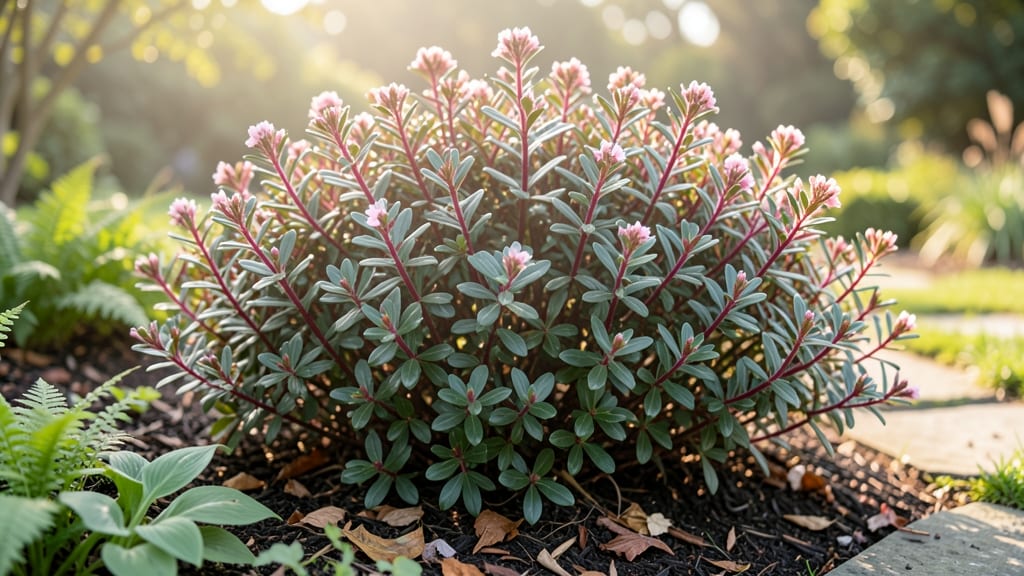
Your garden just got a stunning color upgrade with a purple-and-green leaf shrub that steals the show year-round. 🌿 These eye-catching plants—like Purple Smoke Bush and Ninebark—bring drama to borders, hedges, or as bold focal points, their foliage shifting with the seasons for effortless curb appeal. The best part?
They thrive in partial shade to full sun and handle most soil types, making them low-maintenance stars. Pair them with silver foliage or bright blooms to create contrast, and watch your landscape transform from ordinary to extraordinary.
You’ll love how these shrubs hold their color through winter, offering structure when other plants fade. Their versatility means they work in modern, cottage, or even minimalist gardens—just pick the right variety for your space. Ready to add drama?
We’ll cover the top picks, planting tips, and design ideas to make your garden the talk of the neighborhood.
📚 In This Guide
- What you need
- Instructions
- Tips and common mistakes
- Wrapping up and next steps
What you need
- ● Purple & Green Leaf Shrubs: 3–5 mature plants (e.g., Cotoneaster ‘Royal Burgundy,’ Ilex ‘Sparkleberry,’ or Berberis thunbergii ‘Rose Glow’). Check local nurseries for healthy, disease-free specimens.
- ● High-Quality Potting Soil: 1–2 bags (50 lbs each) of well-draining, organic-rich mix (e.g., Miracle-Gro Premium or Espoma Garden Soil).
- ● Mulch: 2–3 cubic feet of shredded bark or pine straw to retain moisture and suppress weeds.
- ● Fertilizer: Slow-release granular fertilizer (e.g., Osmocote Smart-Release) or organic options like composted manure.
- ● Pruning Shears: Bypass pruners (e.g., Fiskars Steel) for clean cuts.
- ● Gloves & Long-Sleeve Clothing: Protect yourself from thorns (common in berberis or holly varieties).
- ● Watering Can or Hose: With a gentle spray nozzle for even moisture distribution.
- ● Soil pH tester (aim for 5.5–6.5 for most shrubs).
- ● Epsom salt (for magnesium-rich foliage if leaves appear yellow).
- ● Decorative rocks or edging for a polished garden bed.
- ● Plant stakes or cages (if your shrub needs support as it grows).
How to plant and care for purple-and-green leaf shrubs
Here's the straightforward approach I use to establish vibrant purple-and-green shrubs that steal the show in any landscape.
🌱 Step 1: Select the Right Location and Soil Prep
Choose a planting site that receives 4-6 hours of morning sun and afternoon shade—this protects the purple foliage from fading in intense afternoon rays. Purple-and-green shrubs thrive in well-draining soil with a pH between 6.0-7.0, so amend heavy clay with 2-3 inches of compost before planting.
Dig a hole twice as wide as the root ball but only as deep—planting too deep suffocates roots and causes stress. Loosen the sides of the hole with a garden fork to encourage root spread. The key here is creating an inviting environment where roots can establish quickly without competition.
🪴 Step 2: Plant with Proper Spacing and Support
Space shrubs 3-5 feet apart depending on the mature size of your variety—closer spacing leads to overcrowding and weak growth. Remove the shrub from its container and gently tease the roots apart if they're circling. This prevents girdling as the plant matures.
Position the root ball so the top sits 1 inch above ground level—this prevents water from pooling around the stem. Backfill with native soil mixed with a handful of slow-release fertilizer, tamping lightly as you go. Water deeply immediately after planting to settle the soil and eliminate air pockets.
☀️ Step 3: Water and Mulch for Retention
Water newly planted shrubs every 2-3 days until new growth appears—this ensures roots establish without drying out. You'll know moisture is right when the top 2 inches of soil feel damp but not soggy. Overwatering now causes root rot, which is especially deadly for young shrubs.
Apply a 3-inch layer of mulch around the base, keeping it 3 inches away from the stem to prevent moisture buildup. I use shredded bark mulch because it breaks down slowly and improves soil structure over time. Replenish mulch annually to maintain moisture and suppress weeds.
✂️ Step 4: Prune for Shape and Health
Prune in early spring before new growth appears to shape the shrub and encourage dense foliage. Remove any dead, diseased, or crossing branches first—these compete with healthy growth and weaken the plant. Cut just above a leaf node or outward-facing bud to promote new growth in the right direction.
For dramatic foliage, I lightly shear the outer edges to maintain a rounded shape. Avoid heavy pruning in late summer or fall—this stimulates tender growth that won't harden off before winter. The goal is to shape without stressing the plant, especially in its first growing season.
🌿 Step 5: Fertilize for Vibrant Foliage
Apply a balanced 10-10-10 fertilizer in early spring and again in midsummer to maintain rich purple-and-green hues. Follow package instructions for application rates—over-fertilizing leads to weak growth and burns roots. Water deeply after applying to distribute nutrients evenly.
Watch for signs of nutrient deficiency: yellowing leaves indicate nitrogen deficiency, while purple stems suggest phosphorus shortage. Adjust your fertilizer blend accordingly, but always err on the side of caution—too much fertilizer is worse than too little for these shrubs.
Tips & tricks for stunning purple-and-green foliage shrubs
These pro-level insights will help you cultivate vibrant, show-stopping shrubs that thrive for years.
Lighting Strategy: The 4-6 hours of morning sun is non-negotiable for maintaining those rich purple hues. I've seen many gardeners struggle when they plant in full afternoon sun—those intense rays can bleach the purple tones within weeks. If your landscape only gets afternoon sun, consider placing these shrubs near a north-facing wall or under the dappled shade of taller trees. The key is protecting that foliage from the harsh midday rays that fade the color.
Soil Science: That 6.0-7.0 pH range isn't just arbitrary—it's perfect for unlocking the full color potential of these shrubs. Test your soil before planting; if it's too acidic (below 6.0), mix in some lime to adjust. For heavy clay soils, the 2-3 inches of compost isn't just about drainage—it's about creating air pockets that roots need to breathe. I've seen roots struggle in compacted soil, leading to stunted growth and duller foliage colors.
Planting Precision: The 1-inch elevation above ground level might seem minor, but it's crucial for preventing waterlogging around the stem. I've made the mistake of planting too deeply before, and it led to rot at the base. When backfilling, tamp gently but firmly—this eliminates air pockets that could suffocate new roots. The immediate deep watering after planting isn't just about settling soil; it's about signaling to the plant that it's safe to start growing.
Watering Wisdom: Those 2-3 days between waterings might seem frequent, but it's essential until you see new growth. The damp-but-not-soggy test is your best friend here—stick your finger 2 inches deep. If it feels dry, water; if it's still moist, wait. Overwatering at this stage is the fastest way to kill young shrubs, and it's a mistake I've seen too many gardeners make when they're eager to see results.
Pro Tips for Purple And Green Leaf Shrub
- These pro-level insights will help you cultivate vibrant, show-stopping shrubs that thrive for years.
- Lighting Strategy: The 4-6 hours of morning sun is non-negotiable for maintaining those rich purple hues.
- Soil Science: That 6.0-7.0 pH range isn't just arbitrary—it's perfect for unlocking the full color potential of these shrubs.
Frequently asked questions
Got questions about adding a purple and green leaf shrub to your garden? You’re not alone! Here are some of the most common queries—and their answers—to help you grow with confidence.
What are the best purple and green leaf shrubs for beginners?
Start with hardy, low-maintenance options like Cotoneaster dammeri (bearberry cotoneaster) or Berberis thunbergii (Japanese barberry). Both thrive in full sun to partial shade, handle drought once established, and offer vibrant foliage year-round. For a pop of color, Ilex ‘Gloriosa’ (holly) is a great evergreen choice!
When is the best time to plant a purple and green leaf shrub?
Plant in early spring or fall when temperatures are mild (50–70°F). This gives roots time to establish before extreme heat or cold. Avoid planting in summer—heat stress can stunt growth. If you’re in a warm climate, opt for fall planting to beat summer drought.
How often should I water a purple and green leaf shrub?
Water deeply once a week for the first year to encourage root growth. After that, most mature shrubs tolerate drought but may need occasional watering during prolonged dry spells. Check soil moisture—if the top 2 inches are dry, it’s time to water. Mulch around the base to retain moisture!
Why are the purple leaves turning brown or dull?
Brown or dull foliage often signals overwatering, underwatering, or nutrient deficiency. Check soil drainage—soggy roots cause rot, while crispy edges mean thirst. Adjust watering and fertilize lightly in spring with a balanced, slow-release fertilizer. Pests like spider mites can also stress plants; hose them off if you spot webs.
Can I prune a purple and green leaf shrub in winter?
Prune late winter or early spring (before new growth) to shape shrubs and remove dead wood. Avoid heavy pruning in fall—it can stimulate tender growth vulnerable to frost. For flowering shrubs, prune after blooms fade. Use clean, sharp shears to make cuts at a 45° angle just above a bud.
Are there any purple and green shrubs that do well in shade?
Yes! Try Heuchera ‘Palace Purple’ (coral bells) for a perennial option with striking foliage, or Pieris japonica ‘Little Heath’, a compact evergreen with purple-tinged leaves. Both thrive in partial to full shade and add texture to shady spots. Just ensure they get at least 3–4 hours of indirect light daily.
Wrapping up and next steps
Incorporating a purple and green leaf shrub into your garden is a game-changer for adding vibrant, year-round color and texture! These striking plants not only elevate aesthetics but also require minimal fuss—perfect for both novice and seasoned gardeners.
Whether you’re drawn to Cotoneaster, Abelia, or Weigela, their bold foliage ensures your outdoor space stays dynamic and full of life.
Ready to transform your garden? Start small: pick one variety that thrives in your climate, prep your soil, and watch your space bloom with drama! 🌿✨ Your next gardening adventure awaits—go plant that confidence!