
Flowers
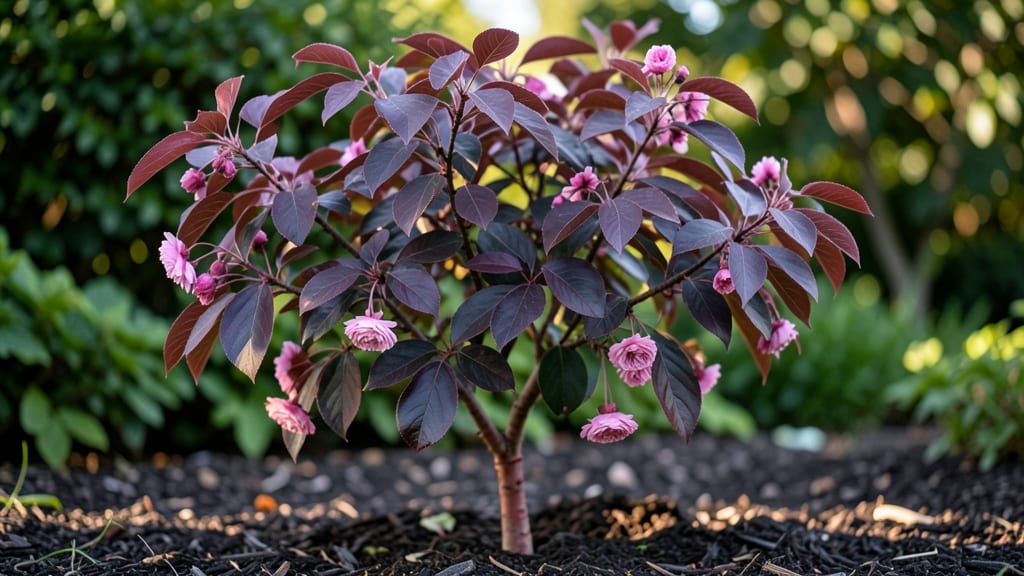
Those purple leaf plum flowers steal the show with their fiery foliage and delicate spring blossoms—perfect for adding drama to any container garden. 🌿 I’ve used them as a bold centerpiece in pots, and their deep burgundy leaves create stunning contrast with silver foliage or pastel flowers.
The key is placing them where their vibrant colors can pop against softer hues in your design.
Spring brings clusters of pale pink or white flowers that add a touch of elegance before the leaves take over. They thrive in full sun to partial shade, making them adaptable for patios, balconies, or even as a striking border plant.
Prune lightly after flowering to encourage denser growth, and you’ll have a plant that stays lush all season long.
Pair them with silver-leaved plants like dusty miller or lavender for a striking contrast, or let their deep tones complement blues and whites in a cottage-style arrangement. Their compact size (typically 6–10 feet tall) makes them ideal for smaller spaces, and they handle container life beautifully with proper drainage.
For best results, plant in well-draining soil and water consistently—though they’re surprisingly drought-tolerant once established. With their year-round interest, these plums are a game-changer for adding color and texture to any garden design, whether in pots or planted in the ground.
📚 In This Guide
- What you need
- Instructions
- Tips and common mistakes
- Wrapping up and next steps
What you need
- ● Purple Leaf Plum Tree: 1 bare-root or potted Prunus cerasifera (dwarf variety recommended for containers, e.g., 'New Dawn' or 'Atropurpurea').
- ● Size: 3–5 gallons container for mature trees (1–3 gallons for young saplings).
- ● Container: 1 large, durable pot with drainage holes (fabric grow bags or ceramic/terracotta work well).
- ● Size: At least 12–18 inches in diameter and depth for mature trees.
- ● Well-Draining Soil: 5–10 gallons of fast-draining potting mix (avoid garden soil—it compacts!).
- ● Mix: Combine 60% potting soil, 20% perlite/pumice, and 20% coarse sand or gravel.
- ● Fertilizer: 1 balanced, slow-release fertilizer (10-10-10 or 20-20-20, organic options like fish emulsion work too).
- ● Application: Follow package rates for container plants (typically 1–2 tbsp per gallon of soil).
- ● Mulch: 2–3 inches of organic mulch (wood chips, bark, or pine straw).
- ● Drainage Layer: 1–2 inches of gravel, pebbles, or broken pottery at the bottom of the container.
- ● Support Stake: 1 bamboo or metal stake (4–6 feet tall) for young trees to prevent toppling.
- ● Pruning Tools: 1 pair of sterilized pruning shears (for shaping and deadheading).
- ● 1 hand pruner for smaller cuts.
- ● Watering Can or Hose: With a gentle spray nozzle to avoid disturbing soil.
- ● Container Saucer: To catch runoff and protect surfaces.
- ● Epsom Salt: 1 tbsp (for magnesium boost, especially if leaves show yellowing between veins).
Step-by-step guide to growing purple leaf plum in containers
Here’s how to cultivate vibrant purple leaf plum trees in pots for stunning foliage and seasonal blooms.
🪴 Step 1: Select the Right Container and Drainage
Choose a container at least 18-24 inches deep with drainage holes—purple leaf plums need room for roots and hate soggy soil. I prefer unglazed ceramic pots because they breathe and prevent root rot. If your pot lacks drainage, drill 2-3 additional holes near the bottom to ensure excess water escapes.
Place a 2-inch layer of gravel or broken pottery at the bottom before adding soil. This creates an air pocket that prevents waterlogging while still allowing roots to expand downward. The wider the pot, the more stable the tree—24-inch diameter supports mature growth without tipping in wind.
🌱 Step 2: Use Well-Draining Soil and Plant Correctly
Fill the pot with a mix of equal parts potting soil, compost, and perlite—this lightweight blend prevents compaction and mimics the tree’s natural, well-drained habitat. Avoid garden soil; it compacts in containers and suffocates roots. Press the soil gently around the root ball when planting to eliminate air pockets.
Dig a hole twice as wide as the root ball but no deeper than the top of the root flare (where roots meet trunk). Position the tree so the top of the root ball sits 1 inch below the pot’s rim—this prevents soil from washing away during watering. Water deeply after planting to settle the soil and eliminate air gaps.
☀️ Step 3: Position for Full Sun and Consistent Care
Purple leaf plums thrive in full sun (6+ hours daily)—place your container in a south or west-facing spot for maximum foliage intensity. If you’re in a hot climate, provide afternoon shade to prevent leaf scorch, which turns vibrant purple into dull brown. You’ll notice the most dramatic color when the tree gets at least 4 hours of direct morning sun.
Water deeply once a week, letting 2-3 inches of soil dry between sessions. Overwatering is the #1 killer of container-grown plums—check moisture by sticking your finger 2 inches into the soil. If it’s dry, water until it drains from the bottom. Mulch the surface with 2 inches of bark chips to retain moisture and regulate temperature.
✂️ Step 4: Prune for Shape and Health
Prune in late winter or early spring before new growth begins. Remove dead, crossing, or weak branches first—these compete with healthy growth for energy. Use clean, sharp pruners to make cuts at a 45-degree angle just above an outward-facing bud. This encourages outward growth and prevents dense, leggy stems.
Shape the tree by thinning 10-20% of the canopy to improve airflow and light penetration. Avoid heavy pruning—purple leaf plums bloom on old wood, so aggressive cuts reduce next year’s flowers. After pruning, apply a balanced fertilizer (10-10-10) to support new growth. You’ll see fuller foliage and more vibrant purple within 4-6 weeks.
⏰ Step 5: Prepare for Winter and Long-Term Growth
Move containers to a protected location (like a garage or against a south-facing wall) when temperatures drop below 20°F. Wrap the pot in burlap or frost cloth to shield roots from freezing. In USDA Zones 6-8, purple leaf plums survive outdoors with winter care; in colder zones, treat them as tender perennials and replant each spring.
Every 2-3 years, repot into a container 2-4 inches larger to accommodate root growth. This refreshes the soil and prevents root-bound stress. Fertilize monthly during spring and summer with a low-nitrogen formula (5-10-10) to promote foliage over fruit—since these are ornamental, you don’t need heavy blooms. With proper care, your tree will reward you with bold purple leaves and fragrant spring flowers for decades.
Tips & tricks for perfect purple leaf plum care
These simple strategies will help you coax the most vibrant foliage from your container-grown purple leaf plum.
Container Stability: After planting, place your container on a sturdy, level surface—especially important for the 24-inch diameter pots recommended. I’ve seen mature trees topple in wind if their pots aren’t properly weighted. For extra security, place a 5-gallon water jug filled with sand inside the pot before adding soil. This hidden weight anchor prevents tipping without restricting root growth.
Soil Mix Secret: The equal parts potting soil, compost, and perlite blend is non-negotiable, but here’s the pro move: Add 1/4 cup of worm castings to the mix when repotting. The extra microbial activity boosts nutrient uptake and intensifies that signature purple color. Just stir it in thoroughly—you won’t see it, but your tree will thank you with richer foliage.
Sunlight Optimization: For maximum color impact, position your tree to get the 4 hours of direct morning sun first thing, then move it to partial shade during hot afternoons. In my experience, this prevents leaf scorch while still maintaining that dramatic purple hue. If you’re in a particularly hot climate, consider using a lightweight shade cloth (30% shade) during peak sun hours—it makes a noticeable difference in leaf quality.
Pruning Precision: When shaping your tree, focus on removing branches that cross or grow inward—they create weak points where diseases can enter. I’ve found that making cuts at a 45-degree angle just above an outward-facing bud produces the most vigorous new growth. After pruning, give your tree a light misting with water to reduce stress. You’ll see the most dramatic color improvement within 4-6 weeks of proper pruning.
Pro Tips for Purple Leaf Plum Flowers
- These simple strategies will help you coax the most vibrant foliage from your container-grown purple leaf plum.
- Container Stability: After planting, place your container on a sturdy, level surface—especially important for the 24-inch diameter pots recommended.
- Soil Mix Secret: The equal parts potting soil, compost, and perlite blend is non-negotiable, but here’s the pro move: Add 1/4 cup of worm castings to the mix when repotting.
Frequently asked questions
Got questions about purple leaf plum flowers? You’re not alone—these stunning shrubs spark curiosity! Here are answers to the most common queries to help you grow and enjoy them with confidence.
When do purple leaf plum flowers bloom?
Purple leaf plums typically bloom in early spring, often between late February and April, depending on your climate. Their vibrant pink, white, or red flowers appear before the foliage fully unfurls, creating a breathtaking contrast. For container-grown plants, ensure they’re in a sunny spot to encourage timely blooming!
How do I keep my purple leaf plum healthy in containers?
These shrubs thrive in well-draining soil and full sun. Use a container with drainage holes and repot every 2–3 years to refresh the soil. Prune after flowering to shape the plant and remove dead wood. Mulch annually to retain moisture and protect roots—just avoid piling it against the trunk!
Can purple leaf plums survive winter in containers?
Yes, but they need protection! Move containers to a sheltered spot (like against a south-facing wall) before temperatures drop below 10°F (-12°C). Wrap the pot in burlap or bubble wrap and add extra mulch. In harsh climates, consider overwintering indoors with bright, indirect light until spring.
What if my purple leaf plum’s leaves turn brown?
Brown leaves often signal overwatering, underwatering, or sunburn. Check the soil—it should stay slightly moist but not soggy. If leaves scorch in summer, provide afternoon shade or use a light shade cloth. Yellowing leaves may indicate nutrient deficiency; fertilize in early spring with a balanced, slow-release formula.
Are there purple leaf plum alternatives for smaller spaces?
If space is limited, consider these compact, colorful shrubs:
- Dwarf Korean Spice Viburnum – Fragrant flowers, purple foliage, and low maintenance.
- Ninebark (‘Diablo’) – Deep purple leaves, drought-tolerant, and great for containers.
- Japanese Maple (‘Bloodgood’) – Stunning red-purple foliage (though slower-growing).
Wrapping up and next steps
Purple leaf plum flowers aren’t just stunning—they’re low-maintenance superstars that bring bold color and texture to any space, even in containers! Whether you’re a seasoned gardener or a beginner, their resilience and adaptability make them a perfect choice for adding drama to patios, balconies, or urban gardens. 🌸
Ready to transform your outdoor (or indoor!) space? Start by choosing the right container, gathering your supplies, and following the care tips shared.
With a little love and attention, your purple leaf plum will reward you with vibrant blooms and lush foliage for years to come. Get planting—your garden deserves this showstopper! 🌿✨