
Flowers
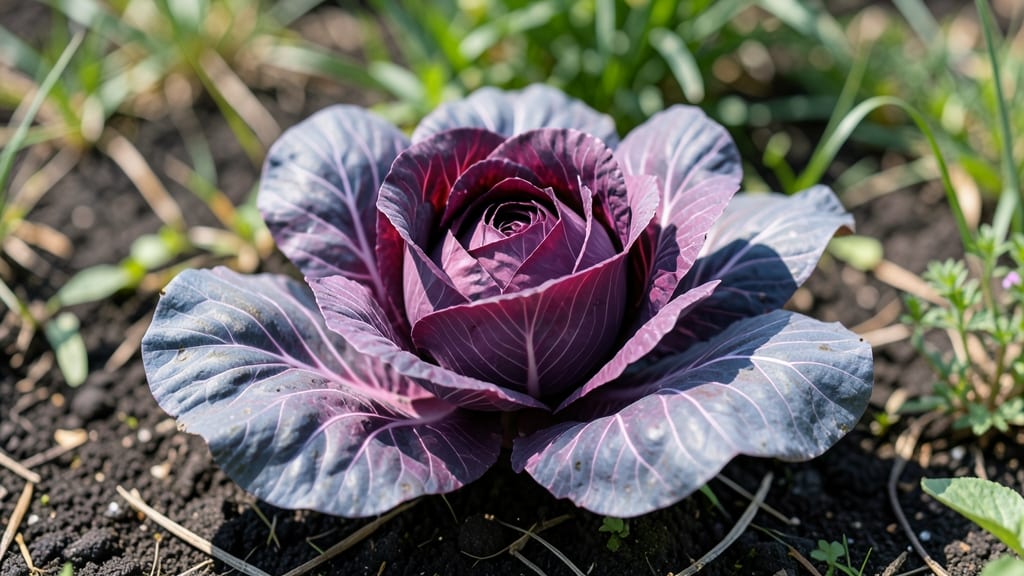
Growing purple leafy greens like red cabbage and Swiss chard turns your garden into a living rainbow. 🌿 These vibrant plants thrive in partial shade, offering both nutrition and stunning visuals that no other greens can match.
I've grown them for years, and they never disappoint—even when other vegetables struggle in hot afternoons.
The secret to their success lies in well-draining soil rich in organic matter and consistent moisture. These greens tolerate cooler temperatures better than most, making them perfect for early spring or fall plantings.
Space them about 12-18 inches apart to allow airflow, which helps prevent fungal diseases that can plague crowded plants.
You'll harvest tender leaves within 4-6 weeks of planting, and the plants keep producing for months. The deep purple hues intensify in cooler weather, creating a dramatic contrast with green foliage. Plus, they're packed with antioxidants like anthocyanins, making them both beautiful and beneficial.
Whether you're growing them in containers or garden beds, these versatile greens adapt easily. Just keep the soil moist and protect young plants from slugs, and you'll enjoy a steady harvest of colorful, nutrient-rich leaves all season long.
📚 In This Guide
- What you need
- Instructions
- Tips and common mistakes
- Wrapping up and next steps
What you need
- ● Purple leafy greens seeds or seedlings: Red Ruby chard (10–20 seeds or 3–5 seedlings)
- ● Purple kale (10–15 seeds or 3–4 seedlings)
- ● Swiss chard ‘Bright Lights’ (10–15 seeds or 3–4 seedlings)
- ● Well-draining potting mix or garden soil: 1–2 cubic feet (for containers) or amended garden bed (pH 6.0–7.0).
- ● Organic compost: 1–2 cups per planting hole or container.
- ○ Slow-release fertilizer (optional but recommended): Balanced 10-10-10 or organic options like worm castings.
- ● Garden trowel or small shovel: For planting seeds or seedlings.
- ● Watering can or hose with a gentle spray nozzle: Avoid disturbing seedlings.
- ○ Garden gloves (optional): Protects hands from soil and thorns (if using chard).
- ● Mulch (straw or shredded leaves): 1–2 inches to retain moisture and suppress weeds.
- ○ Row covers or shade cloth (optional): 30–50% shade for hot climates.
- ● Partial shade location: 3–6 hours of sunlight daily (morning sun + afternoon shade works best).
- ● Consistent moisture: Keep soil evenly damp but not soggy (especially for seedlings).
- ● Patience: Germination takes 7–14 days, and full harvest may take 4–8 weeks.
Step-by-step guide to growing vibrant purple leafy greens
Here’s how I grow bold, nutrient-packed purple greens that thrive even in partial shade—no fancy equipment needed.
🌱 Step 1: Select the Right Varieties for Color and Shade Tolerance
Choose deep purple leafy greens like red Russian kale, purple okra leaf, or Swiss chard ‘Bright Lights’—these varieties hold their color in partial shade better than standard greens. I always pick open-pollinated seeds for consistent color and flavor year after year. Avoid hybrid varieties unless labeled for shade, as their pigment fades quickly.
Start seeds indoors 4-6 weeks before your last frost date if your climate has cool springs. Purple greens germinate best at 60-70°F, so use a seedling heat mat if your home runs cooler. Once seedlings show first true leaves (not just the initial cotyledons), they’re ready to harden off. I test germination by planting a few seeds in small pots first—if they sprout within 7-10 days, the batch is viable.
☀️ Step 2: Prepare the Soil and Planting Site
Amend your soil with 2-3 inches of compost and a handful of balanced organic fertilizer (10-10-10) per 4-foot row. Purple greens love well-draining, fertile soil with a slightly acidic to neutral pH (6.0-7.0). I mix in a quart of aged manure per 10 square feet to boost nitrogen without burning roots.
Choose a spot with 3-6 hours of morning sun and dappled shade in the afternoon—this prevents leaf scorch while maintaining vibrant purple hues. If your yard is fully shaded, opt for varieties like purple amaranth, which tolerates full shade but still produces striking foliage. Space seedlings 12-18 inches apart in rows 18 inches apart to allow airflow and prevent fungal issues.
💧 Step 3: Water and Maintain for Deep Purple Color
Keep soil consistently moist but never soggy—purple greens wilt quickly if stressed. Water deeply at the base in the morning to encourage strong root growth. I use a soaker hose to avoid wetting leaves, which reduces disease risk. Mulch with 1-2 inches of straw to retain moisture and suppress weeds, but keep mulch 2 inches away from stems to prevent rot.
For maximum color intensity, side-dress with fish emulsion every 4-6 weeks during the growing season. Purple pigments develop best when plants receive balanced nutrients, especially magnesium and phosphorus. If leaves start losing their vibrancy, they’re either nutrient-deficient or overwatered. Adjust care immediately—yellowing veins mean magnesium deficiency, while mushy stems signal too much moisture.
✂️ Step 4: Harvest Strategically for Continuous Growth
Begin harvesting outer leaves when they reach 4-6 inches long, leaving the inner growth intact. This encourages bolting-resistant regrowth and keeps plants productive for 6-8 weeks in cool weather or 10-12 weeks with proper care. I harvest in the morning after dew dries for crispest texture and brightest color.
To extend the season, succession plant every 2-3 weeks until 6 weeks before your first frost. In warm climates, purple greens thrive in fall and winter, so I plant a final batch in late summer for a holiday harvest. If frost threatens, cover plants with row fabric and harvest before temperatures drop below 25°F—leaves will still be edible but may soften.
🌿 Step 5: Troubleshoot Common Issues for Long-Term Success
Watch for aphids or cabbage loopers, which target tender purple leaves. I spray plants with neem oil at the first sign of pests—it’s organic, fast-acting, and won’t harm beneficial insects. If leaves yellow between veins, they’re magnesium-deficient; apply Epsom salt solution (1 tablespoon per gallon of water) every 2 weeks until color improves.
Purple greens bolt quickly in heat, so I move containers to shadier spots or extend shade with shade cloth (30-50%) if temperatures rise above 80°F. For container growing, use 5-gallon pots with drainage holes and well-draining mix—purple okra leaf, in particular, hates soggy roots. Rotate pots weekly to prevent leaning toward light, ensuring even color development on all sides.
Tips & tricks for growing vibrant purple leafy greens
Here’s what nobody tells you about keeping those stunning purple hues—and why your first attempt might not deliver the same results.
Seedling Heat Matters: That 60-70°F germination range isn’t just a suggestion—it’s the sweet spot for consistent purple pigment development. I’ve seen batches fail to color properly when started at cooler temperatures. If your home runs chilly, invest in a seedling heat mat ($15-20) for that critical first week. The anthocyanins (those purple pigments) need warmth to activate properly, and cooler starts can leave you with pale, greenish leaves no matter how much sun they get later. For extra insurance, place your seed trays on top of your fridge during germination.
Color-Enhancing Fertilizer Strategy: The 10-10-10 balanced fertilizer mentioned is a baseline, but for maximum purple intensity, I switch to a low-nitrogen, high-phosphorus formula (like 5-10-10) once plants hit the 4-leaf stage. Too much nitrogen (the first number) boosts leafy growth but dilutes those gorgeous purple pigments. Think of phosphorus (the middle number) as the pigment amplifier—it’s what makes those anthocyanins pop. I apply it every 4-6 weeks as directed, but I’ve found that side-dressing with bonemeal (1 tablespoon per plant) every 8 weeks gives an extra color boost without overdoing it.
Shade Management Hack: That 3-6 hours of morning sun recommendation is non-negotiable, but afternoon shade needs strategic planning. If you’re using shade cloth, opt for the 30% shade version—it filters enough light to prevent scorch while still allowing photosynthesis. I’ve learned the hard way that 50% shade can be too restrictive, especially in cooler climates where plants need all the light they can get. For container growers, rotate pots weekly to ensure even color development on all sides—plants will naturally lean toward light, creating uneven pigmentation if left unchecked.
Pest Prevention Pro Tip: Neem oil is fantastic, but I’ve found that companion planting works even better for long-term prevention. Interplant your purple greens with nasturtiums or basil—both naturally repel aphids and cabbage loopers while adding visual interest. The key is spacing: place companion plants every 18 inches along the row to create a protective barrier. I also swear by garlic spray (1 chopped garlic bulb per quart of water, steeped overnight) as a preventative treatment every 2 weeks during peak pest season. It’s organic, smells amazing, and keeps pests at bay without harming beneficial insects.
Pro Tips for Purple Leafy Greens
- Here’s what nobody tells you about keeping those stunning purple hues—and why your first attempt might not deliver the same results.
- Seedling Heat Matters: That 60-70°F germination range isn’t just a suggestion—it’s the sweet spot for consistent purple pigment development.
- Too much nitrogen (the first number) boosts leafy growth but dilutes those gorgeous purple pigments.
Frequently asked questions
Got questions about growing purple leafy greens?
You’re not alone! Here are answers to the most common queries to help you cultivate vibrant, shade-tolerant greens with confidence.
What’s the best way to prepare the soil for purple leafy greens?
Purple leafy greens thrive in well-draining, nutrient-rich soil with a pH of 6.0–7.0. Mix in 2–3 inches of compost or aged manure before planting, and avoid heavy clay. For containers, use a lightweight potting mix with perlite for aeration. Pro tip: A handful of worm castings boosts growth and color intensity!
How long does it take for purple leafy greens to mature?
Most varieties, like Red Malabar spinach or purple kale, take 45–60 days to reach harvest size in partial shade. Check seed packets for specifics—some bolt (flower) faster in heat. Speed up growth by thinning seedlings to 6–12 inches apart for better airflow and sunlight.
Can I grow purple leafy greens in containers or hanging baskets?
Use 5–10 gallon containers with drainage holes, and choose compact varieties like purple okra or dwarf purple basil. For hanging baskets, opt for trailing types (e.g., purple shiso) and ensure they get 4–6 hours of indirect light daily.
Why are my purple leafy greens turning yellow or pale?
Yellowing leaves often signal overwatering, nutrient deficiency, or too much shade. Check soil moisture (it should be damp but not soggy) and fertilize with a balanced liquid feed (10-10-10) every 3–4 weeks. Move plants to brighter indirect light if possible—purple hues fade without enough light.
What are some easy alternatives to purple leafy greens?
If you love bold colors, try:
- Red Russian kale – Cold-hardy and deeply purple.
- Swiss chard ‘Bright Lights’ – Rainbow stems and leaves.
- Purple basil – Edible flowers and aromatic leaves.
- Amaranth ‘Love Lies Bleeding’ – Striking red tendrils.
Wrapping up and next steps
Purple leafy greens aren’t just a stunning addition to your garden—they’re nutrient-packed powerhouses that thrive with minimal fuss, especially in partial shade. Whether you’re a seasoned gardener or just starting out, their vibrant hues and resilience make them a must-try for any space.
Now that you’re armed with the right tips, roll up your sleeves and get planting! 🌱
Ready to transform your garden? Start small—pick one variety, gather your supplies, and watch your shade garden bloom with bold, edible beauty. Happy growing!