
Plants
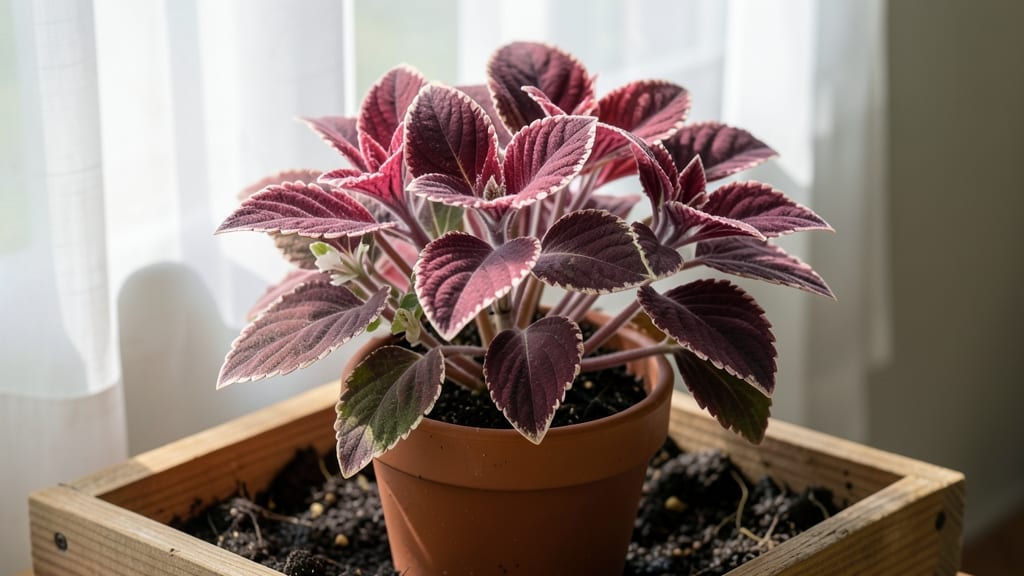
Mastering red leaf plant identification is like solving a botanical puzzle—each leaf shape, vein pattern, and edge tells a story. 🌿 I've spent years distinguishing between deep crimson coleus, velvety burgundy begonia, and the delicate lace of Japanese maple, and the differences are more striking up close than you'd think.
The secret lies in texture and structure: coleus leaves feel almost waxy, begonia leaves often have asymmetrical lobes, and Japanese maple leaves have serrated edges that look like tiny teeth.
One wrong ID could mean the wrong care routine—coleus thrives in bright indirect light, while begonia needs humidity and shade tolerance. You'll spot the subtle details that make each plant unique, from the fuzzy undersides of some begonia varieties to the glossy sheen of certain coleus types.
These traits aren't just for show—they determine how you prune, propagate, and even where you place them in your garden. Whether you're filling containers, lining pathways, or creating a bold foliage border, knowing these plants transforms your design possibilities.
Let's break down the visual clues that make each one stand out!
Understanding Root Causes
Red leaves on your plant can be a stunning natural variation—or a cry for help. Let’s break down the real reasons behind this color shift, from environmental stress to biological quirks.
Plants are sensitive to sudden temperature swings, especially those that thrive in stable climates. When exposed to chilly drafts, heat stress, or rapid temperature drops (like moving from a sunny window to an air-conditioned room), their chlorophyll production can falter.
This triggers the anthocyanin pigments—responsible for red, purple, or orange hues—to kick in as a protective mechanism. Think of it like a plant’s built-in sunscreen: a way to shield delicate cells from damage.
Actionable fix:
- 🌡️ Keep your plant in a consistent 65–75°F (18–24°C) range for most species.
- ❄️ Avoid placing it near drafty windows, AC vents, or heaters.
- 🌿 If outdoors, acclimate gradually to temperature changes (e.g., move potted plants indoors before the first frost).
Too much direct sunlight can scorch leaves, while low light starves them of energy. Both extremes disrupt chlorophyll, revealing underlying red or purple tones. Some plants, like Coleus or Caladium, naturally develop red leaves in low-light conditions as a survival trait.
Others, such as Rubber Plants (Ficus elastica), may turn red along leaf edges due to sunburn.
Actionable fix:
- 🌞 For sun-loving plants (e.g., Snake Plants), provide bright, indirect light—like an east-facing window.
- 🌑 For shade-tolerant plants (e.g., Peperomia), avoid harsh midday sun; use sheer curtains to diffuse light.
- 🔍 Rotate your plant weekly to ensure even light exposure.
Water stress is a top culprit for red leaves. Overwatering leads to root rot, cutting off oxygen and nutrients, while underwatering causes dehydration. In both cases, the plant’s cells struggle, and anthocyanins flood in as a stress signal.
Some plants, like Begonias, also develop red hues when their roots are slightly waterlogged—a trick to absorb more light for photosynthesis.
Actionable fix:
- 💧 Check soil moisture before watering: Stick your finger 1–2 inches deep—if dry, water; if damp, wait.
- 🏺 Use pots with drainage holes and a well-draining mix (e.g., perlite + peat).
- 🌱 For tropical plants, mist leaves or use a humidity tray to mimic their natural environment.
A lack of key nutrients can turn leaves red, often as a last-resort survival tactic. Here’s the breakdown:
- Nitrogen deficiency: Leaves may turn yellow with red veins (common in Rhododendrons or Azaleas).
- Phosphorus deficiency: Dark red or purple leaf undersides (seen in Tomatoes or Peppers).
- Magnesium deficiency: Interveinal reddening (edges stay green).
- Toxicity (e.g., too much salt or fluoride): Brown-red leaf tips or margins.
Actionable fix:
| Issue | Solution |
|---|---|
| Nitrogen-poor soil | Feed with a balanced fertilizer (10-10-10) or compost. |
| Phosphorus/magnesium deficiency | Use a slow-release fertilizer or Epsom salt (for magnesium). |
| Salt buildup (from tap water) | Flush soil with distilled water or rainwater. |
When pests like spider mites, aphids, or scale insects attack, they sap nutrients and inject toxins, triggering reddening as a defense. Fungal or bacterial infections (e.g., leaf spot) can also cause reddish-brown lesions or discoloration.
Even root-knot nematodes (microscopic worms) can stress plants into producing red leaves.
Actionable fix:
- 🔍 Inspect leaves for webs, sticky residue (honeydew), or tiny bugs.
- 🚿 Spray with neem oil or insecticidal soap for pests.
- 🌿 Prune affected leaves and sterilize shears with rubbing alcohol.
- 💊 For fungal issues, use copper fungicide or baking soda spray (1 tsp baking soda + 1 quart water).
Not all red leaves are a warning sign! Many plants genetically produce red pigments as part of their life cycle or growth stages. Examples:
- Variegated plants (e.g., Croton or Dracaena) may develop red streaks with age.
- New growth in plants like Coleus often emerges red before turning green.
- Seasonal changes: Some plants (e.g., Maple Trees) turn red in fall due to anthocyanin production as a photoprotectant against frost.
Actionable tip: If your plant is otherwise healthy, vibrant, and growing, those red leaves might just be part of its charm! 🌈
Quick Fixes for Reddened Leaves
If your plant’s leaves are turning red—and you’ve already identified the cause—don’t panic! Most issues are reversible with the right care. Below, we’ve mapped common triggers to practical, step-by-step solutions, plus prevention tips to keep your greenery thriving.
Fix It:
- 🔥 Stop Watering Immediately – Let the soil dry out completely before watering again. Stick your finger 1–2 inches deep; if it’s soggy, wait.
- 🍳 Repot if Needed – If roots are rotting (black, mushy, or smelly), transfer the plant to a pot with drainage holes and fresh, well-draining soil.
- ⏰ Adjust Your Routine – Water only when the top inch of soil feels dry. Group plants with similar needs together for consistency.
Prevent It:
- Use a moisture meter to avoid guesswork.
- Add perlite or sand to heavy soils to improve aeration.
- 💡 Pro Tip: If your plant loves humidity (like ferns or calatheas), mist leaves after watering to avoid fungal issues.
Fix It:
- 👨🍳 Relocate Immediately – Move the plant to indirect light (east or north-facing windows are ideal). Avoid south/west windows unless it’s a sun-loving species (e.g., succulents).
- 🌿 Acclimate Gradually – If moving outdoors, introduce it to shade slowly over 1–2 weeks.
- 🔪 Trim Damaged Leaves – Snip off severely reddened or crispy leaves with clean scissors to redirect energy to healthy growth.
Prevent It:
- Research your plant’s light needs (e.g., snake plants tolerate low light; poinsettias need bright, indirect).
- Use sheer curtains to filter harsh afternoon sun.
- ✨ Bonus: Rotate the pot weekly so all sides get even light exposure.
Fix It:
- 🏠 Stabilize the Environment – Keep plants away from AC vents, heaters, or drafty windows. Ideal temps: 65–75°F (18–24°C) for most houseplants.
- 🌬️ Shield from Cold Drafts – Avoid placing near sliding glass doors or open windows in winter.
- 💦 Increase Humidity – If leaves feel dry, use a pebble tray or humidifier nearby (especially for tropical plants).
Prevent It:
- Group plants together to create a microclimate.
- Avoid placing them in kitchens or bathrooms with frequent temp swings.
- 🎯 Quick Fix: Wipe leaves with a damp cloth to mimic natural humidity.
Fix It:
- 📊 Flush the Soil – If over-fertilized, rinse the soil with water to leach out excess salts (do this outdoors or in a sink).
- 🥗 Adjust Fertilizer Use – Switch to a balanced, diluted fertilizer (half-strength) and apply only every 4–6 weeks in spring/summer.
- 🍎 Boost Nutrients Naturally – For deficiencies (e.g., yellow-red leaves = nitrogen), try:
- Epsom salt (magnesium) for yellowing between veins.
- Coffee grounds (slow-release nitrogen) for pale leaves.
Prevent It:
- 💡 Test Your Soil – Use a simple soil test kit to check pH and nutrient levels.
- Follow the label instructions—more isn’t better!
- ✨ Organic Option: Compost tea or worm castings provide gentle, natural nutrients.
Fix It: 1. 🔪 Isolate the Plant – Move it away from others to prevent spreading.
- 🛁 Clean Infested Areas – - Neem oil solution (1 tsp neem oil + 1 quart water + drop of dish soap) spray leaves front and back. - 🌿 Rub alcohol pad on stubborn pests (like mealybugs).
- 🚿 Rinse Off Pests – Shower the plant with water to wash away debris.
Prevent It:
- 🔍 Inspect new plants before bringing them home.
- 🌡️ Maintain balanced care—stressed plants attract pests!
- 🎯 Weekly Check: Wipe leaves with a damp cloth to spot early signs.
Some plants (like poinsettias or Japanese maples) naturally develop red leaves as they age or in response to seasonal changes.
If: - The plant is small, young, or rare, and the damage is severe, consider propagating healthy cuttings. - The roots are completely mushy (overwatering) or bone-dry (underwatering), it may not recover.
💡 Final Tip: Keep a plant care journal! Note watering, light changes, and reactions—it’s the fastest way to spot patterns and prevent future red-leaf episodes. Happy gardening! 🌿
Frequently asked questions about red leaf plant identification
How do I tell the difference between a red coleus and a red begonia?
Look at the leaf shape and texture: coleus leaves are oval with pointed tips and feel slightly waxy, while begonia leaves often have asymmetrical lobes and a softer, almost velvety texture. Coleus also has prominent veins that create a striking pattern, while begonia leaves may have a more irregular, wavy edge.
Why do some Japanese maples have red leaves while others stay green?
Japanese maples produce red foliage due to anthocyanin pigments, which are influenced by genetics, sunlight exposure, and temperature. Varieties like 'Bloodgood' or 'Shishigashira' naturally develop deep red leaves, while others like 'Green Dragon' stay green unless stressed by cold or low light. The more sunlight and cooler temperatures, the more intense the red color becomes.
Can I grow red-leaf plants in containers, or do they need garden beds?
Most red-leaf plants thrive in containers! Choose pots with drainage holes and well-draining soil. Coleus and begonia grow beautifully in 6-inch pots**, while Japanese maples need larger containers (at least 12 inches wide) to accommodate their root systems. Just ensure they get the right light conditions for their specific needs.
Are there any red-leaf plants that are pet-safe for homes with cats or dogs?
Yes! Coleus and Peperomia varieties with red leaves are non-toxic to pets, making them great choices for households with curious animals. Avoid plants like Dieffenbachia or Philodendron, which can cause oral irritation. Always double-check with your vet if you're unsure about a specific plant.
How can I make my red-leaf plant's colors more vibrant?
Boost color intensity by providing bright, indirect light (especially for coleus and begonia) and maintaining consistent moisture without overwatering. For Japanese maples, cooler temperatures and partial shade enhance their red hues. Prune leggy growth regularly to encourage denser, more colorful foliage.