
Plants
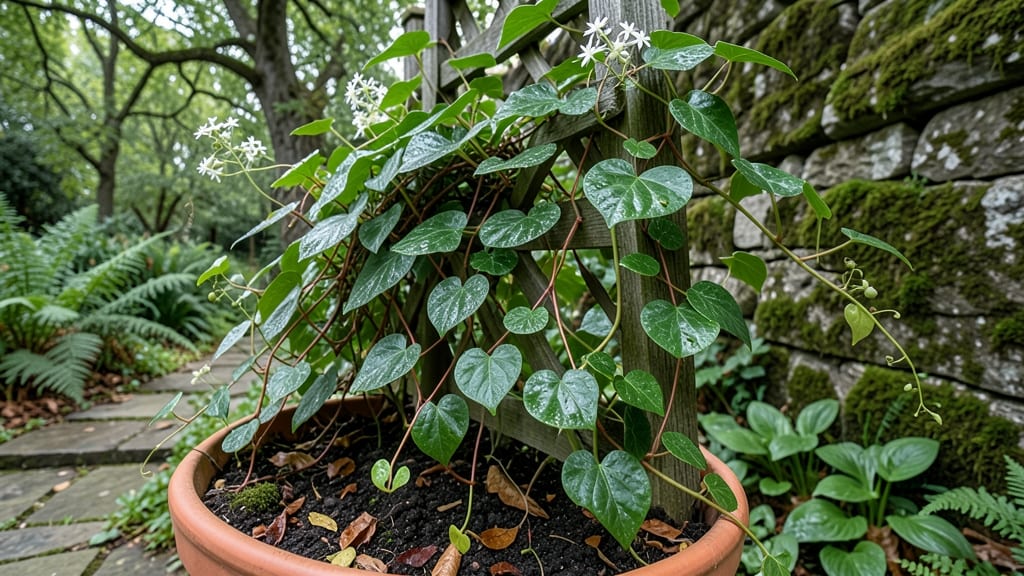
Growing round leaf vine is like having a living green curtain that spreads in just one season. 🌿 I’ve watched mine transform a shady brick wall into a lush, textured backdrop—no sunlight required.
The key is getting the planting right, because once established, this vine thrives with minimal fuss, though it will spread aggressively if left unchecked. This fast-climbing perennial loves moist, well-draining soil and partial to full shade, making it perfect for northern exposures or under trees.
Plant it in spring or fall near a trellis, fence, or wall, and within weeks, you’ll see those glossy round leaves clinging upward. The real magic happens when it fills gaps and softens hard lines in your garden.
By mid-summer, you’ll have a disease-resistant, evergreen screen that stays vibrant year-round. Prune back in early spring to control spread and encourage bushier growth—just don’t let it escape your intended area, or you’ll regret it later. It’s ideal for vertical gardens, privacy screens, or ground cover in shady spots.
Just be warned: this vine means business once it gets going. Let’s get yours under control before it takes over!
Root Causes Behind Leaf Shape
If your round leaf vine (also known as Hoya carnosa) isn’t producing its signature plump, circular leaves—or worse, is developing distorted or misshapen foliage—there’s usually a scientific reason behind it.
Understanding these triggers helps you correct the issue before it affects the plant’s overall health. Let’s break down the most common culprits.
Not all round leaf vines are created equal! While Hoya carnosa is famous for its glossy, round leaves, some cultivars or hybrid varieties may naturally produce slightly oval, elongated, or even lobed foliage. This isn’t a problem—it’s just genetics in action.
- What to look for: Check the plant’s tag or research its lineage. If the parent plant had irregular leaves, your vine might inherit the trait.
- Actionable tip: If you love the classic round shape, opt for Hoya carnosa ‘Compacta’ or ‘Variegata’, which are bred for consistent round leaves.
Round leaf vines thrive in stable, moderate temperatures (ideally between 60–80°F). Extreme heat, cold snaps, or rapid temperature swings can disrupt cell growth, leading to stunted, puckered, or elongated leaves.
- Why it happens: Temperature stress triggers ethylene gas production, a plant hormone that accelerates abnormal growth patterns. Cold damage can also cause chlorosis (yellowing) or leaf curling.
- Actionable fix:
- Move the plant away from drafty windows, AC vents, or heaters.
- In winter, use a heating mat (set to 70°F) if temps drop below 55°F.
- Gradually acclimate the vine to outdoor conditions in spring to avoid shock.
Water is the lifeblood of your vine, but improper moisture levels can warp leaf development. Both overwatering and underwatering throw off the plant’s metabolism, leading to distorted growth.
| Issue | Effect on Leaves | Why It Happens |
|---|---|---|
| Overwatering | Leaves turn yellow, develop dark spots, or grow soft and mushy. | Excess water drowns roots, cutting off oxygen and causing anaerobic stress. This disrupts nutrient uptake, leading to malformed cells. |
| Underwatering | Leaves shrink, curl, or develop a leathery texture with sharp edges. | Water deficit triggers abscisic acid (a stress hormone), which forces the plant to conserve moisture by reducing leaf surface area. |
Actionable fix: Water only when the top 1–2 inches of soil are dry. Use a well-draining mix (e.g., cactus soil + perlite) and a pot with drainage holes. 💡 Pro tip: Stick your finger in the soil—if it’s damp, wait!
Round leaf vines are low-light tolerant, but they despise harsh, direct sun or deep shade. Both extremes can lead to leaf deformities.
- Too much light: Leaves may scorch (brown edges) or grow thinner as the plant tries to protect itself from UV damage.
- Too little light: Leaves stretch (etiolation) or become pale and elongated as the vine reaches for light.
- Why it happens: Light intensity affects chlorophyll production. Insufficient light reduces photosynthesis, while excess light generates reactive oxygen species, damaging cells.
Actionable fix:
- Place the vine in bright, indirect light (e.g., near an east-facing window or under a sheer curtain).
- Rotate the pot quarter-turn weekly to ensure even growth.
- Supplement with a grow light (12–14 hours/day) if natural light is dim.
A balanced diet is key for perfect round leaves. Missing or excess nutrients can lead to stunted growth, yellowing, or abnormal shapes.
| Deficiency | Leaf Symptoms | Solution |
|---|---|---|
| Nitrogen (N) | Pale, yellow leaves (chlorosis) with stunted growth. | Use a balanced fertilizer (e.g., 10-10-10) or add compost. |
| Potassium (K) | Weak, curled leaves with brown edges (scorch-like). | Fertilize with a potassium-rich supplement (e.g., banana peel tea). |
| Magnesium (Mg) | Interveinal yellowing (veins stay green). | Apply Epsom salt (1 tbsp/gallon of water, monthly). |
| Over-fertilization | Crispy, brown leaf tips or salt buildup on soil. | Flush the soil with water and reduce fertilizer to half-strength. |
Actionable tip: Test soil pH (ideal: 6.0–6.5)—nutrient uptake drops in acidic or alkaline extremes. ✨ Bonus: Use worm castings for slow-release nutrients without risk of burn.
Quick Fixes for Common Vine Issues
When your round leaf vine (also called Cobaea scandens) starts looking less than vibrant, quick action can save the day. Below are practical solutions tailored to the most frequent problems, along with prevention tips to keep your vine thriving for seasons to come.
Signs: Stunted growth, yellowing leaves, or roots circling the pot. Fix:
- 🔪 Gently remove the vine from its container and inspect the roots. Trim any that are tangled or circling the pot with clean, sharp scissors.
- 🏺 Choose a slightly larger pot (1–2 inches wider) with drainage holes. Round leaf vines love space to stretch their roots!
- 🌿 Refresh the soil with a well-draining potting mix (add perlite or compost for extra nutrients).
- 💧 Water lightly after repotting and place the vine in partial shade for a week to reduce stress.
💡 Prevention Tip: Repot every 2–3 years or when roots outgrow the container. Use a pot just 1–2 inches larger than the current one to avoid overwatering risks.
Signs: Wilting, crispy leaf edges, or leaves turning brown. Fix:
- 🌿 Move your vine to a spot with morning sun and afternoon shade. Round leaf vines thrive in dappled sunlight (3–6 hours of indirect light daily).
- 🌧️ Increase humidity by misting leaves lightly or placing a tray of water nearby (especially in dry climates).
- 🚿 Avoid overhead watering—water at the base to prevent leaf burn.
💡 Prevention Tip: If growing outdoors, plant near trees or structures that provide natural shade during peak sun hours (10 AM–4 PM).
Signs: Drooping leaves (underwatering) or yellowing, mushy stems (overwatering). Fix:
- 📊 Check soil moisture by sticking your finger 1–2 inches deep. Water when the top layer feels dry.
- 💧 Water deeply but infrequently—aim for 1–2 times per week (adjust based on climate). Ensure pots have drainage holes to prevent root rot.
- ⚠️ Adjust for seasons: Water less in winter (growth slows) and more in summer heat.
💡 Prevention Tip: Use a self-watering pot or mulch (like shredded bark) to retain moisture without soggy soil.
Signs: Holes in leaves, sticky residue (aphids), or chewed stems (slugs/snails). Fix:
- 🐜 For soft-bodied pests (aphids, spider mites):
- Spray with neem oil solution (1 tsp neem oil + 1 tsp mild soap per quart of water). Reapply every 5–7 days.
- Introduce ladybugs (natural predators) to your garden.
- 🐌 For slugs/snails:
- Set up beer traps (bury a shallow dish filled with beer near the plant).
- Sprinkle diatomaceous earth (food-grade) around the base as a barrier.
- 🌿 Wipe leaves with a damp cloth to remove pests manually.
💡 Prevention Tip: Encourage beneficial insects like lacewings or predatory wasps by planting marigolds or dill nearby.
Signs: Yellowing leaves (could be overwatering, nutrient deficiency, or disease). Fix:
- 💧 Overwatering? Let the soil dry out completely between waterings. Ensure the pot has drainage holes.
- 🌱 Nutrient deficiency? Feed with a balanced liquid fertilizer (10-10-10) every 4–6 weeks during growing season (spring–fall).
- 🦠 Fungal issues (like powdery mildew)?
- Prune affected leaves immediately.
- Spray with baking soda solution (1 tsp baking soda + 1 quart water + a drop of soap).
- Improve air circulation by spacing plants apart.
💡 Prevention Tip: Rotate fertilizers between organic (compost tea) and synthetic to avoid buildup. Avoid wetting leaves when watering to prevent fungal spores.
Round leaf vines are fast climbers but need proper support to avoid tangling or breaking stems.
- 🪜 Use a trellis, obelisk, or sturdy fence for vertical growth.
- 🔄 Gently tie stems to the support with soft plant ties (avoid wire or tight knots).
- ✂️ Prune regularly to encourage bushier growth—trim back 1/3 of the vine in early spring.
🎯 Final Reminder: Most vine issues stem from light, water, or support problems. Monitor your plant weekly, and don’t hesitate to adjust care as seasons change! With these fixes, your round leaf vine will reward you with lush foliage and stunning bell-shaped flowers all season long.
Frequently asked questions
Is round leaf vine the same as English ivy?
No, they're different plants! Round leaf vine (often Hoya carnosa) has thick, waxy leaves and is a tropical vine, while English ivy (Hedera helix) is a hardy evergreen climber with pointed leaves. Both have roundish leaves, but ivy is more cold-resistant and commonly used for outdoor landscaping.
How fast does round leaf vine grow?
This vine grows moderately fast—expect 6–12 inches per year under ideal conditions. With proper support and care, it can reach 10–15 feet over several years. The growth rate slows in winter months when the plant conserves energy.
Can I grow round leaf vine indoors?
It thrives indoors as a houseplant, especially in bright, indirect light. Keep it near an east-facing window or under grow lights. Use a well-draining potting mix and a pot with drainage holes to prevent root rot. Just watch for spider mites in dry indoor air—mist leaves occasionally to boost humidity.
Why are my round leaf vine's leaves turning yellow?
Yellowing leaves usually indicate overwatering or nutrient deficiency. Check soil moisture—water only when the top 1–2 inches are dry. If leaves have yellow patches between veins, it may be a magnesium deficiency. Try adding Epsom salt (1 tbsp/gallon of water) monthly.
Is round leaf vine toxic to pets?
Yes, it's considered mildly toxic to cats and dogs. The sap contains saponins that can cause mild stomach upset if ingested. Keep it out of reach of pets, and watch for symptoms like drooling, vomiting, or diarrhea. If you suspect poisoning, contact your vet immediately.