
Pests and Diseases
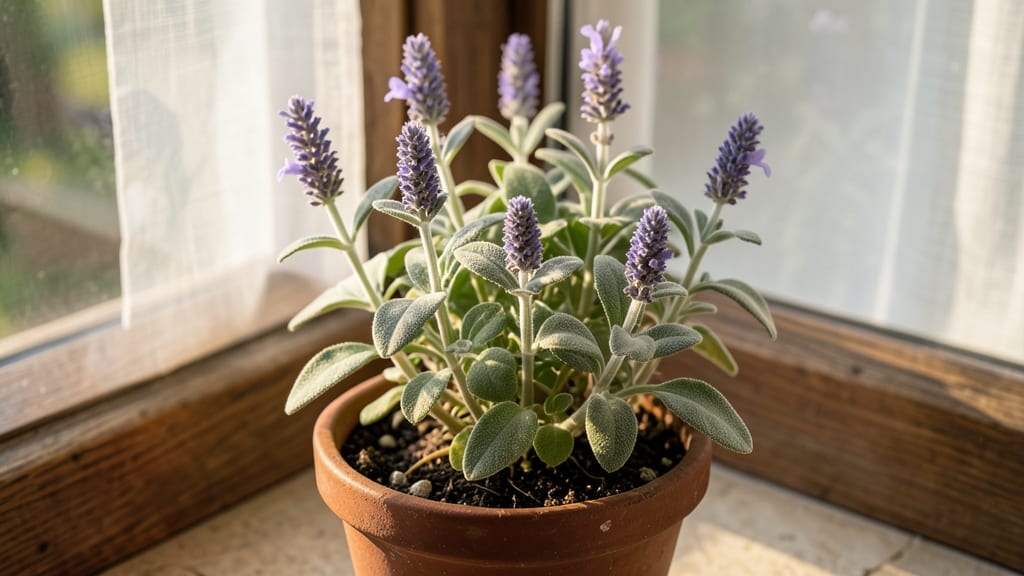
Growing broadleaf sage means never buying it again—this hardy perennial thrives with almost no care and keeps pests at bay. 🌿 I’ve grown it for years, and once established, it’s the most resilient herb in my garden, producing fresh leaves from early spring until frost.
The secret lies in its love for full sun and well-draining soil—it tolerates drought once settled. Plant in spring or fall, spacing plants 18-24 inches apart, and watch it spread slowly but steadily. Prune lightly after flowering to encourage bushier growth, and harvest leaves anytime for cooking or teas.
By mid-summer, your sage will be a fragrant, pest-repelling powerhouse, deterring everything from cabbage worms to deer. The leaves stay tender and flavorful long after store-bought herbs wilt in the heat. Works beautifully in borders, containers, or even as a low hedge.
Here’s how to keep it thriving all season long.
📚 In This Guide
- What you need
- Instructions
- Tips and common mistakes
- Wrapping up and next steps
What you need
- ● Sage broad leaf plants: 3–5 healthy nursery-grown seedlings or cuttings (ensure they’re labeled Salvia officinalis or Salvia fruticosa for broad-leaf varieties).
- ● Well-draining soil: 1–2 cubic yards of loamy, slightly alkaline soil (pH 6.5–7.5). Mix in 1 part compost per 3 parts garden soil to improve fertility.
- ● Sunlight access: A full-sun location (6+ hours of direct sunlight daily).
- ● Watering can or hose: With a gentle spray nozzle for even moisture distribution.
- ● Organic mulch: 2–3 inches of straw or wood chips to retain moisture and suppress weeds.
- ● Pruning shears: Sharp, sterilized shears (for trimming and harvesting).
- ○ Garden gloves: To protect hands from prickly stems (optional but recommended!).
- ● Pest control: Neem oil spray (1 tbsp per quart of water) or companion plants like marigolds or thyme to deter pests.
- ● Container gardeners: 5–7 gallon pots with drainage holes (if not planting in-ground).
- ● Slow-release fertilizer: Balanced 10-10-10 or low-nitrogen option (apply sparingly, 1–2 times per season).
- ● Drip irrigation system: For automated watering (great for drought-prone areas!).
Step-by-step guide for planting and cultivating broadleaf sage
Here's how to establish a thriving broadleaf sage plant that thrives year after year.
🌱 Step 1: Select the Right Location and Prepare the Soil
Choose a sunny spot with at least 6 hours of direct sunlight daily. Broadleaf sage tolerates partial shade but produces fewer leaves and may become leggy. The ideal location receives morning sun and afternoon shade in hot climates to prevent leaf scorch.
Test your soil's drainage—sage hates soggy roots. Amend heavy clay with 2-3 inches of coarse sand or perlite mixed into the top 12 inches of soil. The goal is well-draining soil that feels slightly gritty when moist. If your soil is sandy, add 1-2 inches of compost to improve moisture retention without compacting.
🪴 Step 2: Plant at the Correct Depth and Spacing
Dig a hole twice as wide as the root ball but no deeper. Loosen the roots gently if they're circling the container. Place the plant so the top of the root ball sits 1 inch below soil level—this prevents stem rot while encouraging strong root growth.
Space plants 2-3 feet apart to allow for airflow and prevent fungal diseases. I always plant in early spring after the last frost date when soil temperatures reach 55°F or warmer. Water deeply right after planting to settle the soil around the roots, but avoid overwatering—the first few weeks are about root establishment, not leaf growth.
☀️ Step 3: Water and Fertilize for Establishment
Water newly planted sage once every 7-10 days unless rainfall provides 1 inch of moisture. Check soil moisture by pushing your finger 2 inches deep—if it feels dry, water thoroughly. Overwatering causes root rot, which is fatal to sage. Once established, sage thrives on neglect and can go weeks without watering.
Apply a balanced, slow-release fertilizer (10-10-10) at planting time and again in early summer. Avoid high-nitrogen fertilizers—they promote leafy growth at the expense of flavor. A light application of compost tea in late summer provides micronutrients without overstimulating growth before winter.
✂️ Step 4: Prune for Shape and Encourage Bushiness
Prune sage in early spring before new growth begins. Cut back one-third of the plant's height to encourage dense, bushy growth. Remove any dead or diseased stems immediately—they spread problems quickly. I always sterilize my pruners with rubbing alcohol between cuts to prevent cross-contamination.
Harvest leaves regularly to stimulate new growth. Pinch back the tips of new shoots to encourage branching. Avoid cutting into old wood—sage grows best from new growth. Harvest leaves in the morning after the dew has dried but before the heat of the day to preserve flavor and aroma.
⏰ Step 5: Prepare for Winter and Year-Round Care
Sage is hardy in USDA zones 5-9, but young plants benefit from winter protection. Mulch around the base with 2-3 inches of straw or shredded leaves after the first frost to insulate roots. In colder zones, mound soil around the base of the plant to create a protective barrier against freezing temperatures.
Prune lightly in late winter to remove any dead growth. Sage is drought-tolerant once established, but a deep watering in late winter helps break dormancy. Avoid fertilizing in late winter—new growth won't have time to harden off before the next frost. With proper care, your broadleaf sage will reward you with year-round harvests and pest-resistant foliage.
Tips & tricks for perfect broadleaf sage cultivation
Here's what I've learned after years of growing this hardy perennial—details that make all the difference between a struggling plant and a thriving one.
Location and Light Strategy: While broadleaf sage tolerates partial shade, I've found that positioning it where it gets morning sun and afternoon shade in hot climates prevents leaf scorch while still giving it the 6 hours of direct sunlight it needs daily. This balance is especially critical in zones 8-9 where afternoon heat can be intense. I always scout the location for at least a week before planting to observe actual sunlight patterns—what seems sunny on paper often isn't in reality.
Soil Preparation Secret: The key to preventing root rot lies in that 12-inch soil amendment zone we're creating. For clay-heavy soils, I mix in 2-3 inches of coarse sand or perlite down to that depth, then top with 1-2 inches of compost—this creates the perfect gritty texture that sage craves. Pro tip: Test your soil's moisture retention by squeezing a handful after watering. If it forms a tight ball, you need more sand; if it crumbles completely, add more compost.
Planting Depth and Timing: That 1-inch below soil level placement isn't just about preventing stem rot—it's about encouraging root growth downward where moisture is more stable. I've seen plants that were planted too high develop shallow root systems that dry out quickly. And timing matters too: Wait until soil temperatures hit 55°F minimum—cold soil can shock delicate roots. I use a soil thermometer for this critical check, especially in cooler climates.
Pruning Technique: When you're cutting back one-third of the plant's height in early spring, make your cuts just above leaf nodes where new growth will emerge. I always sterilize my pruners between cuts with rubbing alcohol to prevent spreading any potential fungal spores that might be hiding in the plant. For harvesting, I use clean, sharp scissors and only take leaves from the tips—this encourages bushier growth and prevents the plant from becoming leggy.
Pro Tips for Sage Broad Leaf
- Here's what I've learned after years of growing this hardy perennial—details that make all the difference between a struggling plant and a thriving one.
- This balance is especially critical in zones 8-9 where afternoon heat can be intense.
- Soil Preparation Secret: The key to preventing root rot lies in that 12-inch soil amendment zone we're creating.
Frequently asked questions
Got questions about growing and maintaining sage broad leaf? You’re not alone! Here are some of the most common queries—plus quick, actionable answers to keep your pest-resistant perennial thriving.
How do I tell if my broadleaf sage is truly pest-resistant?
While broadleaf sage (Salvia officinalis) is naturally drought-tolerant and deer-resistant, it’s not immune to pests like aphids, spider mites, or whiteflies—especially in hot, dry climates. Look for chewed leaves or sticky residue (honeydew) as red flags. Healthy plants with silver-gray foliage and woody stems are less appealing to pests. Preventative care (like neem oil sprays) works best!
When is the best time to harvest broadleaf sage for cooking?
Harvest leaves just before flowering (spring to early summer) for the strongest flavor. Avoid cutting more than ⅓ of the plant at once to encourage regrowth. For year-round harvests, prune lightly after flowering to promote new growth. Pro tip: Freeze dried leaves in ice cube trays with water or olive oil for easy seasoning later!
Can I grow broadleaf sage in containers? What’s the ideal pot size?
Sage thrives in containers with well-draining soil and at least 12–18 inches of depth. Use a pot with drainage holes and terracotta or fabric (to wick away moisture). Place in full sun (6+ hours/day) and water only when the top inch of soil is dry. 5-gallon pots work well for mature plants.
What’s the fastest way to get rid of aphids on my sage?
Start with a strong spray of water to dislodge aphids, then apply neem oil or insecticidal soap (follow label instructions). For severe infestations, introduce ladybugs (natural predators). Prevent recurrence by trimming nearby weeds and ensuring good airflow. Avoid chemical pesticides—they can harm the plant’s beneficial oils!
How cold-hardy is broadleaf sage? Will it survive winter?
Broadleaf sage is hardy to USDA Zones 5–9, meaning it can handle down to -20°F (-29°C) with proper care. In colder zones, mulch heavily around the base before frost. If leaves turn brown, they’ll regrow in spring. Evergreen varieties (like ‘Berggarten’) retain foliage year-round in milder climates.
What’s a good alternative if I can’t grow broadleaf sage?
If your climate is too wet or humid, try clary sage (Salvia sclarea) or purple sage (Salvia officinalis ‘Purpurascens’)—both are drought-tolerant and pest-resistant. For culinary uses, thyme or rosemary are great substitutes, though their flavors differ slightly. Herb swaps: Sage pairs well with thyme and rosemary in Mediterranean dishes!
Wrapping up and next steps
Sage broad leaf isn’t just a hardy, pest-resistant plant—it’s a low-maintenance powerhouse that rewards gardeners with year-round harvests and culinary versatility. Whether you’re battling aphids, deer, or just looking for a resilient addition to your garden, this perennial delivers big flavor with minimal fuss. 🌿
Ready to take the next step? Start small—plant a few broad-leaf sage varieties in your garden or even in containers—and watch how quickly they thrive. Before you know it, you’ll be harvesting fresh leaves for cooking, teas, or pest-repellent remedies. Your garden (and taste buds) will thank you! 🌱✨