
Pests and Diseases
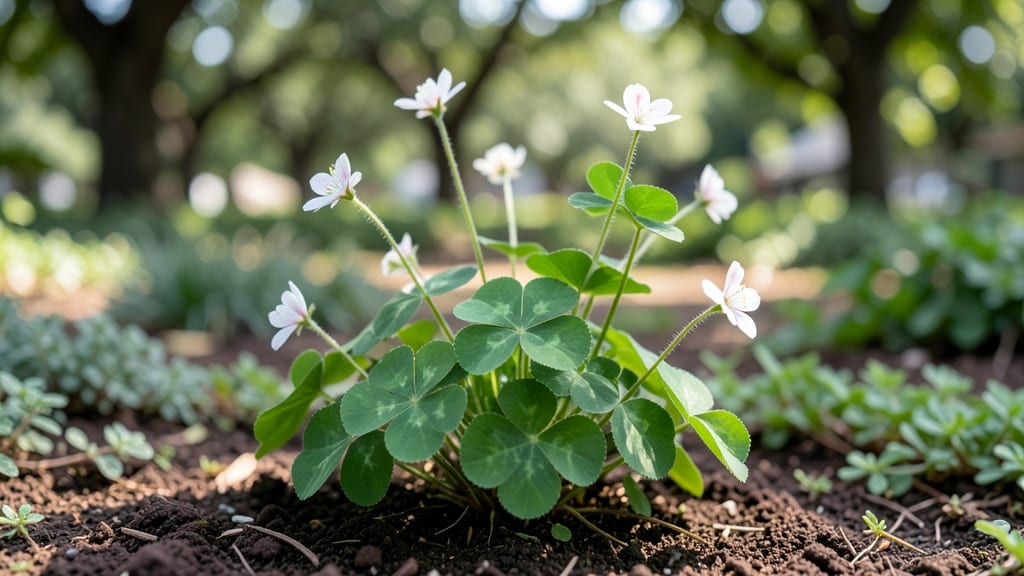
That four-point leaf on your plant isn’t just a quirky shape—it could signal a bigger issue. 🌿 Whether it’s a clover-like leaf or something else, understanding the cause helps you decide if it’s harmless or a sign your plant needs help.
The good news? Most cases aren’t serious, but knowing the difference saves time and keeps your garden thriving.
Genetic quirks, like those in clover or certain perennials, often explain the four-point look. But watch for other clues: yellowing leaves, stunted growth, or pests could point to cucumber mosaic virus or environmental stress.
I’ve seen both in my garden, and the key is acting early—before problems spread. Start by inspecting the plant closely for signs of damage or pests.
If the leaf shape is the only oddity and the plant stays healthy, it’s likely just a natural variation. But if you spot wilting, discoloration, or stunted growth, adjust your care routine: check watering habits, improve airflow, and consider testing for viruses.
Local extension offices can help confirm diagnoses if you’re unsure. A little detective work now prevents bigger headaches later.
This isn’t just about fixing a weird leaf—it’s about protecting your whole garden. Whether it’s a pest-repellent perennial or a prized vegetable, addressing the root cause (literally) keeps your plants strong.
And if all else checks out? That four-point leaf might just be nature’s way of adding character to your garden. 🌱
Root Causes Of Leaf Distortion
If your four-point leaf (also known as Coleus scutellarioides) is developing distorted, crinkled, or malformed leaves, the issue often stems from underlying plant stress. Understanding these causes helps you address the problem before it spreads.
Below are the most common reasons why this happens, explained in simple terms with actionable insights.
A nutrient deficiency or excess is one of the top culprits behind distorted foliage. While four-point leaf plants are relatively low-maintenance, they still need a balanced diet to thrive.
- Nitrogen Deficiency (Pale, Yellowing Leaves):
Nitrogen is essential for leaf growth. If your plant lacks it, new leaves may appear smaller, yellowed, or curled at the edges.
💡 Fix it: Use a balanced liquid fertilizer (10-10-10 or 20-20-20) every 4-6 weeks during the growing season. Avoid over-fertilizing, as excess salts can harm roots.
- Phosphorus or Potassium Deficiency (Weak, Crinkled Growth):
Phosphorus supports root and flower development, while potassium regulates water balance. A deficiency can lead to stunted, distorted leaves.
💡 Fix it: Switch to a phosphorus-rich fertilizer (e.g., 5-10-10) if flowering seems stunted. For potassium, use a banana peel tea (steep peels in water for a week) or a potassium sulfate supplement.
- Iron or Magnesium Deficiency (Yellowing Between Veins):
These micronutrients are vital for chlorophyll production. If leaves develop interveinal chlorosis (yellowing between veins), your plant may be iron- or magnesium-deficient.
💡 Fix it: Apply chelated iron or Epsom salt (magnesium sulfate) to the soil. Mix 1 tablespoon of Epsom salt per gallon of water and water the plant thoroughly.
⚠️ Warning: Over-fertilizing can also cause problems—burnt leaf edges or crispy foliage may appear if salts build up in the soil. Always water thoroughly after fertilizing to rinse excess nutrients away.
Watering issues are a major stressor for four-point leaf plants, leading to distorted growth. Unlike some succulents, these plants prefer consistent moisture but hate soggy roots.
- Underwatering (Dry, Crinkled Leaves):
When soil dries out completely, leaves may curl inward to conserve moisture. Severe dehydration can cause edges to turn brown and crispy.
💡 Fix it:
- Check soil moisture by sticking your finger 1 inch deep—if it’s dry, water until it drains from the bottom.
- Use well-draining potting mix with perlite or coconut coir to improve aeration.
- Group plants together to increase humidity (they love 50-60% humidity).
- Overwatering (Yellow, Mushy Leaves):
Soggy soil deprives roots of oxygen, leading to root rot. Distorted, yellow leaves with a mushy texture are classic signs.
💡 Fix it:
- Let the top 1-2 inches of soil dry out between waterings.
- Ensure pots have drainage holes and use a cache pot (tray with pebbles) to prevent waterlogging.
- If root rot is suspected, trim affected roots with sterilized scissors and repot in fresh, dry soil.
🌡️ Pro Tip: Four-point leaf plants thrive in moderate temperatures (60-75°F). Extreme heat or cold can also cause leaf distortion—keep them away from drafts or direct sunlight if indoors.
Pests like spider mites, aphids, or whiteflies can distort leaves by feeding on sap or injecting toxins. Their damage often appears as puckered, curled, or stippled leaves.
- Spider Mites (Tiny Webs + Yellow Spots):
These microscopic pests thrive in dry conditions and suck plant juices, causing leaves to yellow, curl, and develop fine webbing.
💡 Fix it:
- Spray leaves with a strong stream of water to dislodge mites.
- Use neem oil (1 tsp per quart of water) or insecticidal soap weekly until mites vanish.
- Increase humidity with a pebble tray or humidifier.
- Aphids (Sticky Residue + Curled Leaves):
These sap-sucking insects cluster on new growth, causing leaves to curl and distort. Their honeydew secretion also attracts sooty mold.
💡 Fix it:
- Wipe off aphids with a soapy sponge (mix mild soap with water).
- Introduce ladybugs (natural predators) or spray with horticultural oil.
- Encourage beneficial wasps by planting dill or fennel nearby.
- Whiteflies (Flying Pests + Sticky Leaves):
These tiny white bugs flutter when disturbed and leave yellow, distorted leaves behind.
💡 Fix it:
- Place yellow sticky traps near the plant to catch adults.
- Spray with water mixed with dish soap (1 tsp per quart) to suffocate them.
- Use kaolin clay as a protective barrier to deter them.
✨ Prevention Tip: Regularly inspect leaves (especially undersides) for pests. Early action prevents severe distortion!
Extreme or inconsistent environmental conditions can shock your plant, leading to deformed leaves. Four-point leaf plants are adaptable but still need stable conditions.
- Temperature Fluctuations (Sudden Chills or Heat):
Drafts from AC vents, cold windows, or sudden heat spikes can cause leaves to pucker or develop irregular shapes.
💡 Fix it:
- Keep plants away from windows, doors, or vents.
- Maintain temperatures between 60-75°F (ideal:
How to solve it
If your four-point leaf (or Coleus scutellarioides) is struggling, don’t panic! Most problems have simple, actionable solutions. Below, we’ve mapped common issues to their fixes—plus prevention tips to keep your plant thriving. 🌿💚
Yellow leaves are often a cry for help from soggy roots. Four-point leaf plants prefer well-draining soil and hate "wet feet."
- 🔥 Fix it:
- Check the soil moisture—stick your finger 1–2 inches deep. If it’s damp, wait before watering.
- Repot in a container with drainage holes if using a cachepot (decorative pot without holes).
- Use a lightweight potting mix blended with perlite or orchid bark (1:1 ratio) for better aeration.
- 💡 Prevention:
- Water only when the top inch of soil feels dry.
- Avoid saucers without drainage or let excess water pool in them.
- Trim yellow leaves at the base to redirect energy to healthy growth.
Stems stretching toward the light or flopping over? Your plant is either starving for brightness or overfed. Both issues are easy to correct.
- 🍳 Fix it:
- Move the plant to a brighter spot—four-point leaf thrives in bright, indirect light (east or west windows are ideal). Avoid harsh midday sun.
- Flush the soil with water to remove excess fertilizer buildup if stems are soft or mushy.
- Prune leggy stems back by 1/3 to encourage bushier growth.
- 🌡️ Prevention:
- Rotate the plant weekly for even light exposure.
- Fertilize lightly (every 4–6 weeks in spring/summer) with a diluted half-strength liquid fertilizer.
- Avoid cold drafts or sudden temperature drops, which stress the plant.
Tiny webs or sticky residue on leaves? Pests like spider mites or aphids can sap your plant’s vitality. Act fast before they spread.
- 🔪 Fix it:
- For spider mites: Spray leaves with a mix of 1 tsp dish soap + 1 quart water (test on a small area first). Repeat every 3–5 days.
- For aphids: Blast them off with a strong stream of water, then apply neem oil spray (1 tsp neem oil + 1 tsp mild soap + 1 quart water).
- Isolate the plant until pests are gone to prevent cross-contamination.
- ✨ Prevention:
- Inspect new plants before bringing them indoors.
- Keep humidity moderate (40–60%)—pests love dry, dusty leaves.
- Wipe leaves occasionally with a damp cloth to remove dust and deter pests.
Crispy brown edges? Your plant is either too dry or the air is too harsh. Adjust both to revive it.
- 💧 Fix it:
- Increase humidity by placing the pot on a tray of pebbles and water (ensure the pot isn’t sitting in water).
- Mist leaves lightly 2–3 times a week (avoid soggy soil).
- Check watering habits—brown edges often mean underwatering, not overwatering.
- 🎯 Prevention:
- Group plants together to create a microclimate of higher humidity.
- Use a humidifier nearby if your home is very dry (common in winter).
- Avoid placing the plant near heating vents or air conditioning units.
If your four-point leaf is growing slowly or skipping its purple blooms, it might need a growth boost—or a haircut!
- 👨🍳 Fix it:
- Fertilize with a balanced liquid fertilizer (10-10-10 or 20-20-20) diluted to half strength. Apply every 4–6 weeks in growing season (spring–fall).
- Prune back overgrown stems to encourage new shoots and flowering.
- Ensure the plant gets 6+ hours of light daily—low light stunts growth and reduces blooms.
- 💡 Prevention:
- Pinch back tips of new growth to promote bushiness and flowering.
- Rotate the plant monthly for even light exposure.
- Repot every 1–2 years in fresh, nutrient-rich soil to avoid depletion.
With these targeted fixes, your four-point leaf should bounce back in no time. 🌟 Most issues are reversible—just act quickly and adjust care routines. For persistent problems, consider whether your plant’s current conditions (light, pot size, or location) might need a bigger overhaul!
Frequently asked questions
Is a four-point leaf always a sign of a problem?
Not necessarily! Many plants naturally develop extra leaflets, like four-leaf clovers or certain Coleus varieties. If your plant looks healthy otherwise—with no yellowing, pests, or stunted growth—it's likely just a harmless genetic quirk. The key is to monitor overall plant health rather than focusing on leaf shape alone.
Can I propagate a plant with a four-point leaf?
The extra leaflet doesn't affect propagation. Simply take stem cuttings from healthy parts of the plant (with at least 2-3 nodes) and root them in water or moist soil. The new growth will inherit the same leaf pattern, making it a great way to share unique plants with friends.
What's the difference between a four-point leaf and viral damage?
Viral damage (like from cucumber mosaic virus) usually comes with other symptoms: yellow mosaic patterns, stunted growth, or distorted stems. A true four-point leaf will have all leaflets properly formed, just with an extra one, while viral damage creates irregular, malformed shapes. If you see these additional signs, test your plant or consult a local extension office.
Will my four-point leaf plant still bloom if it has extra leaflets?
Yes! The leaf shape doesn't affect flowering. However, ensure your plant gets proper care—bright indirect light, consistent watering, and occasional fertilization—to encourage those beautiful purple blooms. Some varieties even develop more vibrant colors when grown in optimal conditions.
Can I find four-point leaf plants at nurseries?
While not common, some specialty nurseries or plant breeders may carry Coleus varieties with four-point leaves. You might also find them at plant swaps or through online seed/plant sellers. If you're growing from seed, look for heirloom varieties known for their leaf variations. For guaranteed results, propagate from an existing plant!