
Pests and Diseases
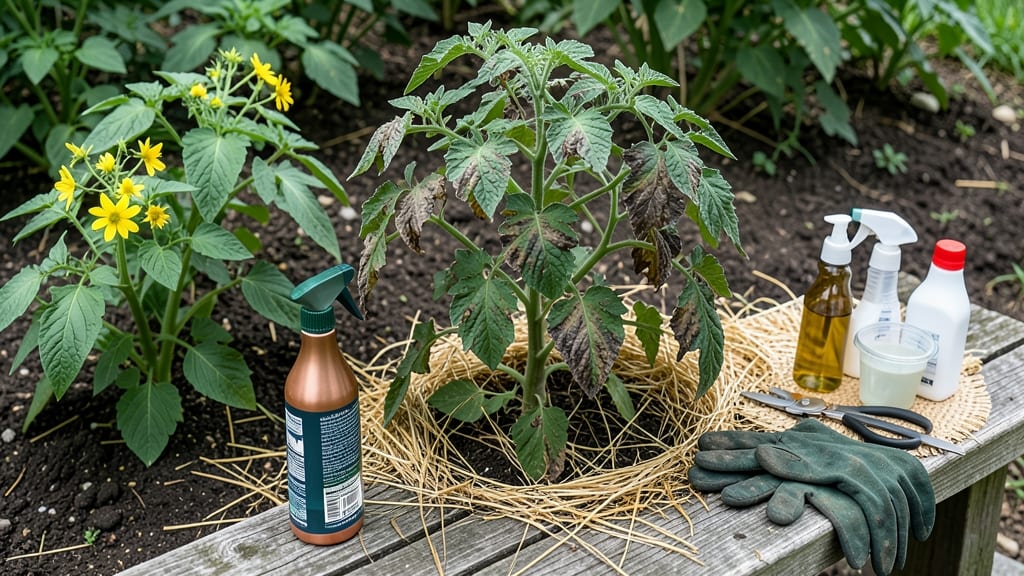
A septoria leaf spot cure using copper spray stops the fungal nightmare dead in its tracks—no more brown spots ruining your tomatoes or wheat. 🌱 I’ve battled this fungal nightmare for years, and once I started using copper fungicide as a preventive barrier, my plants stayed green and productive through the entire growing season.
The key isn’t just spraying; it’s timing, coverage, and pairing it with good garden hygiene.
The problem starts with wet leaves and crowded plants—perfect conditions for those telltale gray-brown spots to spread. Copper works by creating a protective film that disrupts the fungus’s life cycle before it even gets a foothold.
You’ll notice fewer new spots within 2-3 weeks of consistent applications, and existing ones stop growing. But here’s the catch: you’ve got to stay ahead of the fungus, not play catch-up.
By combining copper sprays with proper spacing, removing infected foliage, and choosing resistant varieties, you’ll break the cycle for good. Your plants won’t just survive—they’ll thrive with vibrant green leaves and fewer interruptions to growth. The best part? This method works for tomatoes, wheat, barley, and even ornamentals.
Whether you’re dealing with a small backyard garden or a larger field, the principles stay the same. Let’s get your plants back to their best—and keep them that way all season long.
Root Causes Of Leaf Spots
Septoria leaf spot—caused by the fungus Septoria lycopersici—isn’t just a random attack on your plants. It thrives because of specific conditions that create the perfect storm for fungal infection.
Understanding these triggers is the first step to stopping the spread. Let’s break down the key reasons why your plants become a buffet for this pesky pathogen.
The fungus Septoria loves moisture—too much of it. When soil stays soggy for extended periods, spores germinate and infect leaves through natural openings like stomata or wounds. Here’s why it’s a problem:
- Excessive moisture: Waterlogged soil prevents roots from drying out, weakening plant defenses. Septoria spores splash onto leaves during rain or overhead watering, clinging to damp surfaces.
- Poor airflow: Dense foliage or crowded plants trap humidity, creating a greenhouse effect that accelerates fungal growth. Septoria thrives in temperatures between 60–75°F (15–24°C), common in humid climates.
- Fungal spore survival: Spores can linger in wet, decaying plant debris (like fallen leaves) for months, waiting for the next ideal infection window.
Actionable insight: If your garden has heavy clay soil or poor drainage, amend it with compost or sand to improve aeration. Water at the base (not overhead) and avoid late-day irrigation to let foliage dry.
Plants with compromised health are easy targets. Septoria exploits stress signals, often triggered by:
- Nutrient deficiencies: Low nitrogen or potassium weakens cell walls, making leaves more susceptible to fungal invasion. Yellowing or stunted growth are red flags.
- Physical damage: Hail, wind, or even rough handling create entry points for spores. Septoria can infiltrate through these wounds within 24–48 hours.
- Prior infections: Plants recovering from other diseases (like early blight) have reduced energy to fight off secondary invaders.
Pro tip: Rotate crops annually to avoid depleting soil nutrients. Use balanced fertilizers (e.g., 10-10-10) and mulch to protect roots from temperature fluctuations.
Fungal spores are sneaky hitchhikers. They can hide in:
- Pruning tools: Unsterilized blades spread spores from infected plants to healthy ones. A single cut can transfer Septoria to new growth.
- Infested seeds/transplants: Some seed varieties carry dormant spores. If you’ve bought contaminated seedlings, the fungus may already be inside the plant before symptoms appear.
- Reused containers: Plastic pots or garden beds with old debris harbor spores that reactivate when new plants are introduced.
Critical step: Always disinfect tools with 70% rubbing alcohol or a 10% bleach solution between uses. Buy seeds from reputable suppliers and inspect transplants for early signs (e.g., tiny dark spots on lower leaves).
Septoria doesn’t just appear—it’s invited by specific weather patterns:
- Cool, wet springs: Temperatures between 60–70°F (15–21°C) with frequent rain or morning dew create the perfect fungal breeding ground. Spores release and infect leaves within 3–5 days of ideal conditions.
- High humidity: Relative humidity above 75% for prolonged periods keeps leaves damp, allowing spores to germinate and penetrate.
- Temperature swings: Rapid shifts from hot to cool (common in late summer) stress plants, lowering their resistance.
Weather workaround: Use row covers during rainy periods to reduce leaf wetness. Space plants to improve airflow, and avoid planting susceptible crops (like tomatoes) in low-lying areas where cold air pools.
By addressing these root causes—moisture control, plant health, hygiene, and climate awareness—you disrupt Septoria’s lifecycle before it starts. The next step? Building a copper spray barrier to starve the fungus out.
Quick Fixes for Septoria Leaf Spot
Septoria leaf spot can feel like a losing battle if you’re not armed with the right strategies—but don’t worry! With targeted fixes and proactive prevention, you can reclaim your plants’ health and keep those pesky fungal spots at bay.
Below, we’ve mapped out practical, step-by-step solutions based on the most common causes, so you can act fast and stop the spread.
Cause: Fungal spores thrive on dead or dying plant material. Fix:
- 🍂 Snip and toss: Use clean, sharp scissors or pruners to cut off infected leaves at the base (don’t just tear them). Drop them into a sealed plastic bag—do not compost them!
- 🌿 Thin out foliage: Improve airflow by spacing plants properly (aim for 6–12 inches between leaves, depending on the crop). Crowded plants = fungal paradise.
- 🧼 Sterilize tools: Wipe pruners with 70% isopropyl alcohol or a 10% bleach solution (1 part bleach to 9 parts water) before and after use to prevent cross-contamination.
Pro Tip: 💡 Check the undersides of leaves—that’s where septoria often hides! Early removal is key to stopping the spread.
Cause: Septoria spreads via spores in water or wind; copper disrupts fungal growth. Fix:
- 🍳 Mix your spray: Combine 1 tbsp copper fungicide (like copper sulfate or copper hydroxide) with 1 gallon of water. Add a dish soap drop (like Dawn) to help it stick.
- 👨🍳 Spray thoroughly: Focus on undersides of leaves and stems. Apply early morning or late evening to avoid burning plants in sunlight.
- ⏰ Schedule like clockwork: Spray every 7–14 days (or after rain) until new growth is spot-free for 30 days. Consistency is critical!
Pro Tip: 🌡️ If temps are above 85°F (29°C), wait to spray—copper can harm plants in extreme heat.
Cause: Overhead watering splashes spores onto leaves, fueling the fungus. Fix: - 💦 Water at the base: Use drip irrigation or a watering wand to deliver moisture directly to soil (avoid wetting foliage). - 🕒 Time it right: Water early in the day (before 10 AM) so leaves dry quickly.
Wet leaves overnight = fungal buffet. - 🌱 Mulch like a pro: Apply 2–3 inches of organic mulch (straw, wood chips) around plants to reduce soil splatter onto leaves.
Pro Tip: ✨ Raise garden beds slightly to improve drainage and prevent waterlogging, which weakens plants and invites septoria.
Cause: Weak, nutrient-deficient plants are easy targets for fungi. Fix: - 🥗 Feed with balance: Use a balanced fertilizer (like 10-10-10) or compost tea to boost plant vigor.
Avoid high-nitrogen fertilizers—they promote leafy growth but weaken defenses. - 🍄 Boost immunity: Spray plants with a baking soda solution (1 tsp baking soda + 1 quart water + a few drops of soap) once a month as a preventative. - 🌿 Choose resistant varieties: Next planting season, opt for septoria-resistant crops (e.g., ‘Resistal’ wheat, ‘Clint’ barley, or ‘Monica’ lettuce).
Pro Tip: 💪 Healthy plants fight back! Rotate crops yearly to exhaust fungal spores in the soil.
Once you’ve tackled the current infection, break the cycle with these long-term strategies:
- 🧹 Clean up debris: Remove all plant residue from beds and garden tools by fall to starve overwintering spores.
- 🔄 Crop rotation: Avoid planting susceptible crops (tomatoes, wheat, lettuce) in the same spot for 3–4 years.
- 🌿 Solarize soil (for severe cases): Cover infested beds with clear plastic for 4–6 weeks in summer to bake out fungi (temps must reach 104°F/40°C+).
Final Reminder: 🎯 Act fast, stay consistent, and prioritize prevention! With these fixes, your plants will bounce back—and stay spot-free. Now grab that spray bottle and get to work!
Frequently asked questions
How quickly does copper spray stop new leaf spots from appearing?
With consistent applications, you should see noticeable reduction in new spots within 2-3 weeks. Copper creates a protective barrier that disrupts the fungus's life cycle, but it takes time to eliminate existing spores. Keep spraying every 7-14 days until new growth stays spot-free for 30 days. The key is persistence—don't stop too soon!
Can I use copper spray on edible plants like tomatoes or lettuce?
Yes, copper fungicides are organic-approved for edible plants when used correctly. Always follow label instructions and wait at least 3 days after spraying before harvesting. For sensitive crops like lettuce, dilute the copper solution to half-strength to prevent leaf burn. Never exceed recommended concentrations.
What if my plants are already severely infected—will copper still work?
Copper helps stop the spread but won't cure advanced infections. For severe cases, combine copper sprays with pruning infected leaves and improving airflow. Remove all infected foliage immediately and dispose of it in sealed bags. In extreme cases, consider replacing heavily infected plants to prevent further contamination.
How do I know if my plant has septoria vs. another leaf spot disease?
Septoria spots are gray-brown with dark borders and often appear on lower leaves first. Look for tiny black specks (fungal fruiting bodies) in the center of spots. Unlike early blight (which has concentric rings), septoria spots are more irregular and scattered. Check leaf undersides—septoria loves hiding there!
Will copper spray work in hot weather above 85°F (29°C)?
No, avoid spraying when temps exceed 85°F (29°C) as copper can burn plant leaves. Wait for cooler mornings or evenings. If you must treat during heatwaves, use half-strength solution and apply only to upper leaf surfaces. Monitor plants closely for signs of stress after application.