
Trees
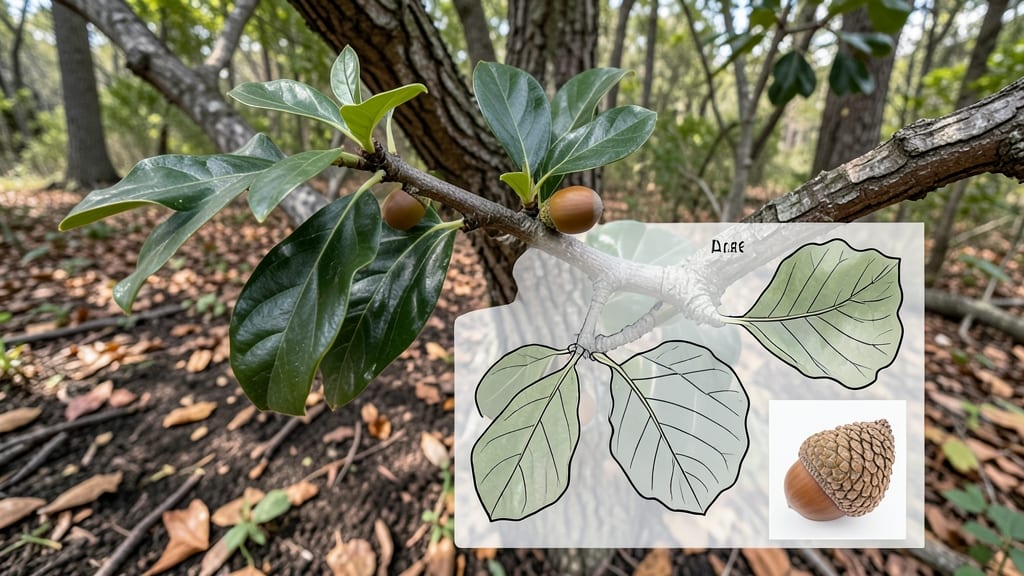
Swamp oak leaf identification becomes effortless once you spot their deeply ridged lobes—a defining trait that separates them from other oaks.
Once you know what to look for, recognizing them is second nature. 🌳 I’ve spent years studying these trees, and their unique leaf shape, combined with the rough bark texture, makes them unmistakable once you’ve seen one in person.
The key is those distinctive wavy edges and pronounced veins that give them a rugged, almost sculpted appearance.
What makes swamp oaks stand out is their leaf arrangement—they grow in alternating patterns along the branch, unlike willow oaks, which have smoother, simpler lobes.
The underside of the leaves also has a fuzzy texture, a telltale sign when comparing them to water oaks, which tend to be smoother. Habitat clues matter too: swamp oaks thrive near wetlands, where their roots can handle soggy soil, while other oaks prefer drier ground.
Accurate identification isn’t just for tree lovers—it’s critical for landscaping, ecological studies, and even pest management. A misidentified oak could mean the wrong care routine, leading to stress or disease.
For example, treating a swamp oak like a willow oak might leave it vulnerable to fungal issues, since their moisture needs differ drastically.
Here’s the game-changer: bark texture. Young swamp oaks have smooth bark that develops into deep ridges as they age, creating a shaggy, almost blocky appearance. Pair that with the leaf shape, and you’ve got a foolproof way to tell them apart from lookalikes—no field guide needed.
Understanding Leaf Patterns Naturally
Swamp oak leaves (Quercus nigra and related species) develop their iconic lobed and ridged shapes due to a fascinating blend of genetics, environmental cues, and growth mechanics. Unlike some trees that rely solely on broad, smooth edges, swamp oaks thrive on structural complexity.
Here’s why their leaves look the way they do—and what drives those distinctive features.
At the core, the lobed pattern of swamp oak leaves is hardwired into their DNA. These trees inherit genes that regulate leaf morphogenesis—the biological process shaping leaf form. Key genetic players include:
- KNOX genes: Control cell division in the leaf’s growing tip, creating indentations (lobes) instead of a smooth margin.
- AS1/AS2 genes: Suppress excessive branching, ensuring lobes form in a controlled, symmetrical pattern.
- MicroRNA pathways: Fine-tune lobe depth and spacing, giving each leaf its unique "fingerprint."
💡 Pro Tip: Young swamp oak seedlings often start with simpler, less lobed leaves before their genetics fully express the mature pattern. This is nature’s way of "testing" the design!
Swamp oaks aren’t just following a script—they’re responding to their wetland home. Environmental stressors like waterlogging, humidity, and soil chemistry influence leaf development in these ways:
| Factor | Effect on Leaves | Why It Matters |
|---|---|---|
| High moisture levels | Thicker, more ridged lobes | Extra ridges create drainage channels to shed excess water, preventing fungal infections. |
| Poor soil nutrients | Smaller, deeper lobes | The tree conserves energy by reducing leaf surface area, a survival tactic in nutrient-poor swamps. |
| Sunlight variation | Darker, glossier upper lobes | Maximizes photosynthesis in shaded swamp understories while minimizing water loss. |
🌡️ Fun Fact: Leaves from swamp oaks growing in drier edges of their range (like upland transitions) may have fewer lobes—a clear adaptation to avoid water stress.
The wavy ridges between lobes aren’t random—they’re sculpted by plant growth regulators, particularly:
- Auxin: A hormone that accumulates in higher concentrations along leaf edges, promoting cell elongation and creating the "valleys" between lobes.
- Gibberellins: Stimulate rapid cell division in lobe tips, making them protrude outward like fingers.
- Abscisic Acid (ABA): Slows growth in ridge areas, sharpening the contrast between lobes and valleys.
🔬 Science in Action: If you’ve ever seen swamp oak leaves with extra-deep ridges, it might signal hormonal imbalances—like those caused by root damage or herbicide exposure.
By combining these genetic, environmental, and hormonal factors, swamp oaks craft leaves that are both beautiful and functional. Whether it’s shedding water, conserving nutrients, or optimizing sunlight capture, every lobe and ridge tells a story of survival in the swamp.
Quick Fixes for Leaf Confusion
Identifying swamp oak leaves can feel like solving a puzzle—especially when similar species like willows or red oaks blur the lines. But with the right approach, you can turn uncertainty into confidence. Below, we break down common challenges and practical solutions to nail swamp oak leaf identification every time.
Problem: Swamp oak leaves (Quercus michauxii) resemble other oaks or even non-oak species, making identification tricky. Fix:
- Compare lobe shapes: Swamp oaks have deep, rounded lobes with bristly tips (like tiny hairs). Use a magnifying glass to check for these telltale features.
- Check the base: Swamp oak leaves often have a symmetrical or slightly uneven base, while willow leaves taper to a point.
- Look at the ridges: Run your fingers along the leaf’s edges—swamp oaks have prominent, wavy veins that other oaks lack.
Prevention Tip: 💡 Carry a small field guide or take close-up photos of leaves, stems, and bark for later comparison.
Problem: Leaves change color and texture as seasons shift, making them harder to recognize. Fix:
- Spring/Summer: Focus on bright green, glossy leaves with 5–7 lobes (like fingers on a hand).
- Fall/Winter: Look for brown, papery leaves clinging to branches—swamp oaks hold onto theirs longer than many oaks.
- Use bark as backup: Swamp oak bark is dark gray and deeply furrowed, unlike the smoother bark of red oaks.
Pro Tip: ✨ Collect a few leaves in a sealed bag to observe their texture and scent (swamp oaks have a mild, earthy aroma).
Problem: Leaf size varies, and guesswork leads to mistakes. Fix:
- Standard size range: Swamp oak leaves are 4–7 inches long with 3–5 inches width. Use a ruler to measure uncertain samples.
- Lobe depth test: Hold the leaf up to light—swamp oak lobes extend more than halfway to the midrib (the central vein).
- Compare to common objects: A swamp oak leaf is roughly the size of a small hand or a standard sheet of paper cut in half.
Quick Hack: 🎯 Trace the leaf on paper, then measure the outline for a visual reference.
Problem: Overlooking key details like leaf arrangement or twig features. Fix:
- Leaf attachment: Swamp oak leaves grow alternately (one per node) along the stem, unlike maples (opposite arrangement).
- Twig color: Young twigs are greenish-brown, turning darker with age—this contrasts with the red-brown twigs of red oaks.
- Acorns: Swamp oaks produce smaller acorns (0.75–1.25 inches) with a shallow cap, while white oaks have flatter caps.
Memory Trick: 🧠 "Swamp = Soggy, So Look Low"—check the base of the leaf and nearby moisture (swamp oaks thrive in wetlands).
Final Thought: With these steps, you’ll go from second-guessing to spotting swamp oaks like a pro. Grab a notebook, test the fixes, and soon you’ll be identifying them faster than a squirrel snags an acorn! 🐿️🌿
Frequently asked questions
How do swamp oak leaves differ from willow oak leaves?
Swamp oak leaves have deep, rounded lobes with bristly tips and prominent wavy veins, while willow oak leaves are much smoother with fewer, shallower lobes that resemble fingers. Swamp oaks also grow in wetter habitats, whereas willow oaks prefer drier soil.
Can I identify swamp oaks by their acorns?
Yes! Swamp oaks produce smaller acorns (0.75–1.25 inches) with a shallow, scaly cap. Compare them to white oak acorns (flatter caps) or red oak acorns (pointier caps). The acorn’s size and cap shape are key distinguishing features.
Why do swamp oak leaves have such deep ridges?
Those ridges help shed excess water in their swampy habitats while maximizing sunlight capture. The wavy veins also create drainage channels, preventing fungal infections. It’s a perfect adaptation for wetland survival!
What’s the best time of year to identify swamp oak leaves?
Late spring to early summer is ideal—leaves are bright green, glossy, and fully lobed. In fall, they turn brown but retain their distinctive shape. Avoid winter when leaves may be absent or damaged. Pro tip: Check bark texture too—swamp oaks have deeply furrowed, dark gray bark.
Can I use a smartphone app to confirm swamp oak identification?
Apps like LeafSnap or PictureThis use leaf shape, vein patterns, and habitat clues to confirm identifications. Just snap clear photos of both the leaf and bark for best results. Always cross-check with a field guide for tricky cases.