
Pests and Diseases
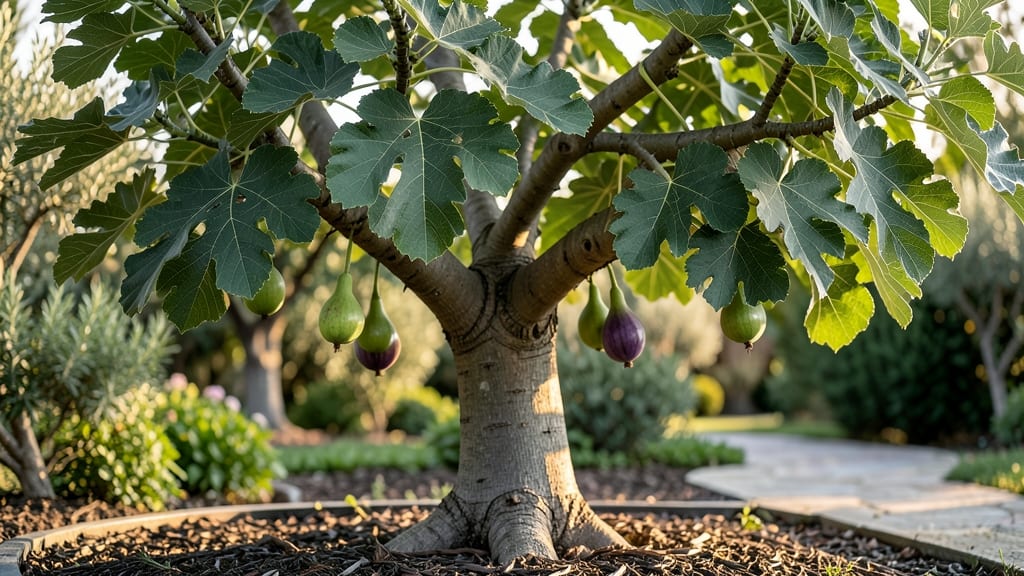
The Fig Leaf in Fort Collins, Colorado, faces common garden pests like aphids, spider mites, and Japanese beetles, but natural defenses—neem oil, companion planting, and beneficial insects—can protect it without harsh chemicals. Proper pruning and soil health also reduce vulnerabilities.
Fig trees in Fort Collins thrive in the region's climate but attract pests like aphids, which cluster on new growth, and Japanese beetles, which skeletonize leaves. 🔥 The dry, windy conditions here make plants more vulnerable, so preventive care is key.
I've seen firsthand how companion plants like lavender deter pests while improving soil health, creating a stronger defense system for your fig tree.
Beyond pests, maintaining proper pruning in late winter removes weak branches where insects hide, while adding compost tea boosts natural resistance. Colorado's unique growing season means timing matters—early spring applications of neem oil work best before beetles emerge.
The goal is to build a resilient tree that can handle Fort Collins' challenges without synthetic interventions.
💡 In This Article
- Common Pests Targeting Fig Trees in Colorado Gardens
- Organic Pest Control Methods for Fig Trees in Colorado
Common pests targeting fig trees in Colorado gardens
Fort Collins' semi-arid climate creates ideal conditions for three persistent fig tree pests: aphids, which thrive on new growth, Japanese beetles that chew leaf edges, and spider mites that multiply in dry heat.
Aphids, measuring just 1-3 millimeters, inject toxins that cause curled leaves and sticky honeydew, while beetles can defoliate branches in 2-3 weeks during peak summer. The region's low humidity (30-40%) accelerates mite activity, as their silk webs become more visible when moisture drops below 50%. 🔥
These pests exploit stressed trees—drought conditions common in Colorado force figs to divert energy from defense mechanisms. Urban pollution in Fort Collins also weakens foliage by reducing chlorophyll production, making trees more attractive to sap-sucking insects.
Root borers, another threat, lay eggs in bark crevices during late spring when temperatures reach 70°F+, with larvae tunneling into roots for 6-8 weeks before pupating. The telltale sign? Wilting despite adequate watering, as borers disrupt nutrient transport.
Seasonal patterns matter: aphid populations peak in May-June on tender new shoots, while Japanese beetles appear in July-August when daytime temps exceed 85°F. Spider mites, however, thrive year-round but explode in September as cooler nights and warm days create perfect breeding conditions.
Monitoring these cycles helps gardeners time interventions precisely—neem oil works best when applied before peak infestations, not after damage is visible.
Visual identification is key: aphids cluster on undersides of leaves, leaving a shiny residue, while beetles have iridescent green bodies with copper wings.
Mites create fine webbing on leaf undersides, resembling dust. 💫 The damage tells the story too—aphids cause distorted growth, beetles create lace-like patterns, and mites lead to stippled yellowing. In Colorado's alkaline soils (pH 7.5-8.5), these symptoms often appear more severe than in coastal regions with higher organic matter.
What most gardeners miss is how these pests interact: aphids attract ants that protect them, while beetle feeding exposes trees to fungal infections through open wounds. The cumulative stress from multiple infestations can reduce fig yields by 30-50% if left unchecked.
This is why integrated approaches—combining physical barriers, biological controls, and cultural practices—work better than single solutions in Colorado's challenging growing conditions.