
Vegetables
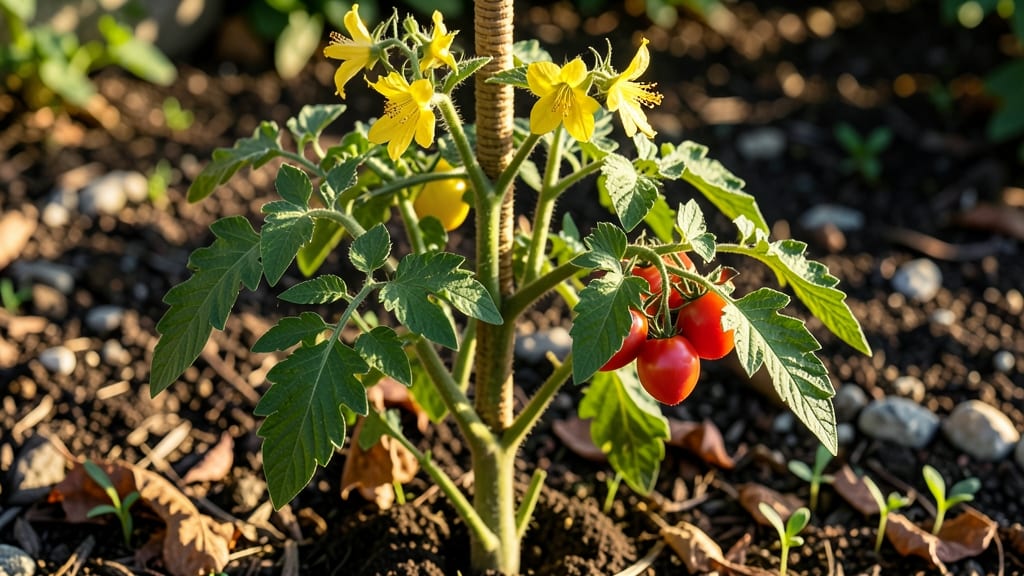
Those leaf types in your tomato plant tell you everything about its future. 🌿 Determinate tomatoes have broad, rounded leaves that stop growing once they set fruit, while indeterminate varieties show lacy, finger-like serrations that keep reaching for the sky.
The difference isn't just aesthetic—it dictates how you'll prune, stake, and even harvest.
I learned this the hard way when my first indeterminate plant (with its delicate, vine-like leaves) got tangled in a flimsy stake. The key is matching leaf shape to your growing style: determinate types like 'Roma' stay compact, while indeterminate 'Sungold' needs constant support.
Look for these traits even in seedlings—they're your first clue about what to expect.
Healthy leaves should be deep green and slightly waxy, with no yellowing or curling. Determinate varieties often have thicker stems and leaves, while indeterminate types grow thinner but more vigorously. This knowledge helps you spot early signs of disease or nutrient deficiencies before they affect fruit production.
Once you recognize these patterns, you'll make smarter choices about spacing, trellising, and even companion plants. The right leaf type means the right care—and that's how you get those healthy, productive vines every season.
📚 In This Guide
- What you need
- Instructions
- Tips and common mistakes
- Wrapping up and next steps
What you need
- ● Tomato plants: 3–5 healthy plants (preferably with visible leaves) for comparison—choose heirloom, cherry, beefsteak, or hybrid varieties for variety.
- ○ Magnifying glass (optional but helpful): A 10x magnification tool to inspect leaf details like veins, edges, and textures.
- ● Notebook & pen: For sketching or noting leaf shapes, sizes, and unique features.
- ● Ruler or measuring tape: To measure leaf length/width (inches or centimeters).
- ● Camera or smartphone: For capturing high-resolution images of leaves (natural light works best!).
- ● Pruning shears or scissors: Sterilized tools to safely snip small leaf samples (if needed).
- ● Leaf identification guidebook: A field guide like The Tomato Grower’s Handbook or a digital app (e.g., PictureThis).
- ● Gloves: Lightweight gardening gloves to protect hands while handling plants.
- ● White sheet or tray: For pressing leaves (if you want to preserve samples for later study).
- ● Grow lights or greenhouse access: If studying leaf differences indoors or in varying light conditions.
Identifying tomato leaf types for stronger vines and better fruit
Healthy tomato leaves tell you everything about your plant's future. Here's how to read them like a pro.
🌿 Step 1: Recognize the Three Core Leaf Types
Tomato leaves fall into three distinct categories, each revealing critical information about the plant. Potato leaves—deeply lobed with jagged edges—are the classic type you'll find on most heirloom varieties like 'Brandywine' or 'Cherokee Purple'. These leaves store energy efficiently, supporting robust vines and heavy fruit loads.
Pineapple leaves, named for their serrated, sawtooth edges, appear on modern hybrids like 'Celebrity' or 'Early Girl'. These leaves grow faster but require more consistent moisture to prevent curling. The third type, curly kale leaves, found on varieties like 'Solar Fire', have smooth, wavy edges and indicate plants bred for disease resistance.
☀️ Step 2: Analyze Leaf Shape for Variety Traits
Leaf shape directly correlates with growth habits and fruit characteristics. Varieties with large, broad leaves like 'Beefsteak' tomatoes produce fewer but larger fruit, while those with smaller, more numerous leaves like 'Roma' set more clusters. Notice how the leaf veins run—prominent veins indicate vigorous growth, while faint veins suggest slower but steadier development.
Pay attention to leaf arrangement too. Alternate leaf patterns (one leaf per node) are common in indeterminate varieties that continue growing until frost. Whorled growth (multiple leaves at a node) appears in determinate types that set fruit all at once. This pattern helps you predict harvest timing and vine management needs.
🌱 Step 3: Check Leaf Color for Plant Health
Healthy tomato leaves should display vibrant green coloration with no yellowing or browning. Dark green leaves indicate strong photosynthesis and energy production, while lighter green suggests nitrogen deficiency. Watch for purple tinges on undersides—this often means phosphorus deficiency or poor root development.
Yellowing between veins (chlorosis) typically signals iron deficiency or poor soil pH, while brown edges usually point to overwatering or salt buildup. I always check leaf color first when troubleshooting—it's the plant's most immediate communication about its needs.
💧 Step 4: Examine Leaf Texture for Disease Resistance
Leaf texture reveals a plant's natural defenses. Thick, waxy leaves like those on 'Mountain Merit' varieties resist fungal diseases better than thin, delicate leaves. Run your fingers gently over leaves—rough textures indicate stronger cuticle layers that repel pathogens, while smooth leaves may need more careful watering to prevent disease entry.
Look for hairiness on leaf undersides, especially on varieties like 'Black Krim'. These tiny hairs create microclimates that deter pests and reduce water loss. I've found that hairy-leaved varieties handle humidity better without developing early blight—just what you need for consistent production.
✂️ Step 5: Prune Based on Leaf Patterns
Leaf arrangement guides your pruning decisions. For indeterminate varieties with alternate leaves, I remove suckers below the first leaf cluster to direct energy upward. In determinate types with whorled growth, I focus on opening the plant's center for better air circulation and sunlight penetration.
Watch how leaves respond to pruning—healthy leaves should bounce back within 3-5 days with new growth at the pruning point. If leaves wilt or turn brown after cutting, you've removed too much foliage. Remember, you're not just pruning leaves; you're sculpting the plant's future fruit production.
Tips & tricks for mastering tomato leaf identification
Your tomato plants are speaking to you through their leaves—here's how to listen closely and give them exactly what they need.
Leaf Shape is Your First Clue: When examining leaves in Step 1, pay special attention to the leaf margins. Potato-leaf varieties like 'Brandywine' often have leaves with 5-7 deep lobes that resemble potato leaves, while pineapple-leaf types like 'Celebrity' have serrated edges that look like a pineapple's skin. The key difference? Potato leaves store more energy in their structure, which translates to stronger vines capable of supporting heavier fruit loads.
Color Tells the Real Story: In Step 3, when checking leaf color, don't just look at the top—flip leaves to examine undersides too. That's where you'll often spot early signs of phosphorus deficiency (purple tinges) before they appear on top surfaces. I've seen many gardeners miss this crucial indicator by only checking the visible side. For nitrogen deficiency, look for pale green or yellowing between veins rather than uniform color changes.
Texture Reveals Disease Resistance: Step 4's focus on leaf texture is where you'll find the most valuable clues about disease resistance. Run your fingers along the leaf surface—thick, waxy leaves like those on 'Mountain Merit' varieties create a natural barrier against fungal spores. Hairy undersides, especially on varieties like 'Black Krim', create microclimates that deter pests naturally. This texture analysis should guide your variety selection if disease pressure is a concern in your growing area.
Pruning Response Time Matters: After pruning in Step 5, watch closely for the 3-5 day recovery window mentioned. If leaves don't bounce back within this timeframe, you've likely removed too much foliage. I've found that plants with curly kale leaves (like 'Solar Fire') recover faster from pruning than potato-leaf types, which often need more time to regenerate. This recovery pattern can help you determine how aggressively to prune different varieties.
Pro Tips for Tomato Leaf Types
- Your tomato plants are speaking to you through their leaves—here's how to listen closely and give them exactly what they need.
- Leaf Shape is Your First Clue: When examining leaves in Step 1, pay special attention to the leaf margins.
- Color Tells the Real Story: In Step 3, when checking leaf color, don't just look at the top—flip leaves to examine undersides too.
Frequently asked questions
Got questions about tomato leaf types? You’re not alone! Here are some answers to the most common queries gardeners have when navigating the world of tomato foliage.
What’s the difference between regular and potato leaf tomato plants?
Potato leaf tomatoes
have deeply lobed, jagged leaves resembling potato plants, while regular (smooth leaf) varieties feature simpler, oval-shaped foliage. Potato leaf types often produce fewer but larger leaves, which can shade fruit more effectively in hot climates. Choose based on your growing zone and fruit preference!
Do tomato leaf types affect fruit flavor or yield?
Leaf shape doesn’t drastically change flavor, but it can influence yield and sun exposure. Potato leaf varieties may have slightly lower yields due to denser foliage, while smooth-leaf types often ripen faster. For flavor, focus on variety (e.g., heirloom vs. hybrid) and growing conditions—leaf type is secondary!
When should I prune tomato leaves based on their type?
Pruning depends on your goals:
- Potato leaf varieties: Prune aggressively to improve airflow and reduce disease risk (e.g., early blight). Aim to remove lower leaves up to the first flower cluster.
- Smooth leaf varieties: Light pruning suffices—focus on removing only diseased or shaded leaves to avoid stressing the plant.
Always prune in the morning to allow wounds to heal in daylight.
Why are my tomato leaves curling or yellowing?
Curling or yellowing leaves often signal pests (aphids, spider mites) or diseases (early blight, tomato mosaic virus). Check the undersides of leaves for pests and remove affected foliage immediately. For disease prevention, rotate crops yearly and avoid overhead watering. Potato leaf types may be more prone to fungal issues due to dense growth.
Can I grow tomato plants with different leaf types together?
Yes! Mixing leaf types (e.g., potato leaf and smooth leaf) in the same garden is fine, but monitor for competition. Potato leaf varieties may outcompete smoother types for sunlight. If space is tight, opt for one type per container or row to simplify care. Companion planting (e.g., basil or marigolds) can benefit all varieties!
Wrapping up and next steps
Understanding tomato leaf types is your first step toward a thriving garden! 🌱 Whether you’re dealing with the classic lycopersicum esculentum or heirloom varieties, recognizing leaf shapes, colors, and growth patterns helps you diagnose issues early and nurture healthier vines.
With the right knowledge, you can boost yields, prevent pests, and enjoy homegrown tomatoes that taste like summer.
Ready to take action? Start by observing your plants—compare their leaves to the varieties covered here, and don’t hesitate to consult local gardening groups or extension services for tailored advice. Happy growing! 🌿