
Leaf Blower
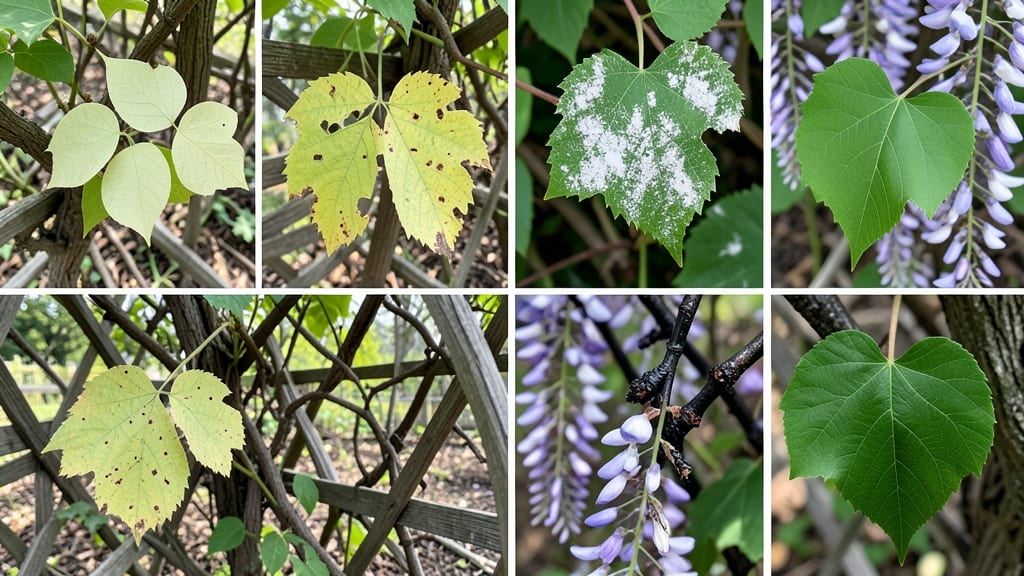
Wisteria leaf problems can turn your stunning vines into a sad, spotted mess—unless you act fast. 🌿 I’ve battled everything from powdery mildew to nutrient burn, and I’ll show you how to diagnose the issue and fix it before it spreads.
The most common culprits are fungal infections (like powdery mildew or leaf spot), pests (aphids or spider mites), or simple stress from overwatering or poor soil. Each problem leaves a different signature—yellowing, curling, or brown spots—and the fix depends on what’s causing it.
With the right approach, you’ll restore those lush, fragrant vines to healthy glory in weeks. We’ll cover pruning, treatments, and preventive care so your wisteria thrives all season. Let’s get those leaves looking vibrant again—no more sad, struggling vines!
Understanding root causes
Wisteria leaves can develop unsightly spots, curls, or other distress signals due to a mix of environmental stressors, pests, and diseases. While some issues are purely cosmetic, others signal deeper problems that can weaken—or even kill—your vine if left unchecked.
Below, we break down the most common culprits behind wisteria leaf problems, backed by science and actionable insights.
Wisteria is a hardy plant, but extreme or inconsistent growing conditions can trigger leaf problems faster than you’d expect. Here’s how environmental factors play a role:
- Temperature Fluctuations
Wisteria thrives in USDA Zones 5-9, but sudden temperature swings—especially late frosts or heatwaves—can shock the plant.
Cold damage causes brown, crispy edges or blackened spots (necrosis), while excessive heat leads to yellowing (chlorosis) or leaf scorch. Pro tip: Mulch around the base to regulate soil temps and protect roots.
- Poor Watering Practices
Overwatering or underwatering both stress wisteria. Waterlogged soil cuts off oxygen to roots, leading to yellow leaves, wilting, or fungal infections (like Phytophthora).
On the flip side, drought stress causes curling, browning, or premature leaf drop as the plant conserves moisture. Fix: Aim for 1-2 inches of water per week (adjust for clay/sandy soil) and ensure well-draining soil.
- Sunlight Imbalance
Wisteria needs full sun (6+ hours/day), but too much direct sun (especially in hot climates) can bleach leaves or cause leaf burn.
Conversely, shade stress leads to pale, weak growth and small, sparse leaves. Solution: Provide afternoon shade in extreme heat or gradually acclimate young plants to sun.
Chewing insects and sap-suckers don’t just eat leaves—they inject toxins or block nutrient flow, causing curling, stippling, or discoloration. Here’s who’s likely guilty:
| Pest | Leaf Damage Signs | Why It Happens |
|---|---|---|
| Japanese Beetles | Irregular skeletonized holes, silver leaf trails (frass), and chewed edges. | Adult beetles feed on leaf tissue, while larvae (grubs) devour roots, starving the plant. Their saliva contains toxic enzymes that cause browning around wounds. |
| Aphids | Curling, yellowing, or sticky leaves (honeydew), often with black sooty mold. | Aphids pierce cells to suck sap, disrupting chlorophyll and causing chlorosis. Their excreted honeydew attracts mold, further blocking sunlight. |
| Spider Mites | Fine webbing, speckled yellow/brown leaves, and curling. | These microscopic pests pierce cells to feed, causing stippling (tiny dead spots). In dry conditions, they multiply rapidly, leading to severe leaf drop. |
| Scale Insects | Sticky residue, black mold, and stunted growth. | Scale attach to stems/leaves and suck sap, weakening the plant. Their wax coatings protect them from pesticides, making them persistent. |
💡 Action: Inspect undersides of leaves and new growth weekly. Use neem oil or insecticidal soap for mild infestations; horticultural oil in dormant seasons for scale.
Moisture-loving pathogens thrive on stressed wisteria, leading to spots, blights, or wilting. These issues often start slowly but escalate if ignored:
- Powdery Mildew (Erysiphe spp.)
Causes white, powdery patches on leaves, which block sunlight and reduce photosynthesis. It spreads via wind or water and worsens in humid, low-light conditions. Prevention: Space plants for airflow and avoid overhead watering.
- Leaf Spot (Cercospora or Septoria)
Results in brown/black spots with yellow halos, often with premature leaf drop. Fungal spores overwinter in debris and splash onto leaves during rain. Fix: Remove fallen leaves and apply copper fungicide at first sign.
- Bacterial Leaf Spot (Xanthomonas)
Causes water-soaked, greasy spots that expand and merge, leading to hole formation. Bacteria enter through wounds (e.g., from pruning) and thrive in wet foliage. Solution: Prune infected leaves immediately and sterilize tools with rubbing alcohol.
- Root Rot (Phytophthora)
Though it attacks roots, symptoms appear as yellowing, wilting, or leaf drop. The fungus thrives in waterlogged soil and blocks nutrient uptake, causing systemic decline. 🚨 Critical: Improve drainage immediately—raise beds or add compost to clay soil.
Wisteria is a heavy feeder, and poor soil health often leads to yellowing, curling, or stunted growth. Here’s what’s missing—and how to fix it:
| Deficiency |
|---|
| Problem | Quick Fix | Long-Term Solution |
|---|---|---|
| Pests (aphids, mites) | Spray with soapy water (1 tsp mild soap per quart) | Introduce ladybugs or predatory mites |
| Wilting leaves | Water deeply + check for root rot | Improve soil drainage |
| Slow growth | Fertilize with low-nitrogen (5-10-5) | Prune in late winter for better airflow |
🌡️ Pro Tip:
- Wisterias hate being disturbed – Once established, minimize transplanting to avoid shock.
- Prune in late winter (before buds swell) to encourage strong new growth.
By tackling the root cause—whether it’s water, nutrients, pests, or disease—your wisteria’s leaves will bounce back in weeks. Stay consistent with care, and your vines will reward you with lush, vibrant foliage for years! 🌿✨
Frequently asked questions
Why are my wisteria leaves turning yellow?
Yellowing leaves usually signal nutrient deficiencies or overwatering. If young leaves yellow first, you likely have iron deficiency (chlorosis). Older leaves turning yellow often mean nitrogen deficiency. Check soil moisture—soggy soil can also cause yellowing by preventing nutrient uptake. Test your soil pH (ideal: 6.0-7.0) and amend with compost or chelated iron if needed.
What causes white powdery spots on wisteria leaves?
That’s powdery mildew, a common fungal infection that thrives in humid conditions. The white powder blocks sunlight, weakening leaves. Prune infected branches for airflow, and spray with a baking soda mix (1 tsp baking soda + 1 quart water + dish soap). Avoid overhead watering and space plants 6-10 feet apart to prevent spread.
How do I tell if my wisteria has spider mites?
Look for fine webbing on leaves and speckled yellow/brown patterns—these tiny pests thrive in dry conditions. Use a magnifying glass to spot them on leaf undersides. Treat with neem oil (1 tsp per quart of water) or insecticidal soap, and increase humidity around the plant (aim for 50-70%).
Can I prune wisteria leaves with spots or holes?
Yes! Prune severely infected leaves immediately to stop the spread of disease or pests. Sterilize your pruners with rubbing alcohol between cuts. For fungal issues, remove fallen leaves too—they harbor spores. Prune in late winter for best results, but you can trim unhealthy foliage anytime.
Why are my wisteria leaves curling?
Curling often means pests (like spider mites), heat stress, or underwatering. Check leaf undersides for tiny webs or pests first. If the soil is dry, water deeply (1-2 inches per week). For heat stress, provide afternoon shade with 30-50% shade cloth during peak sun.