
Leaf Blower
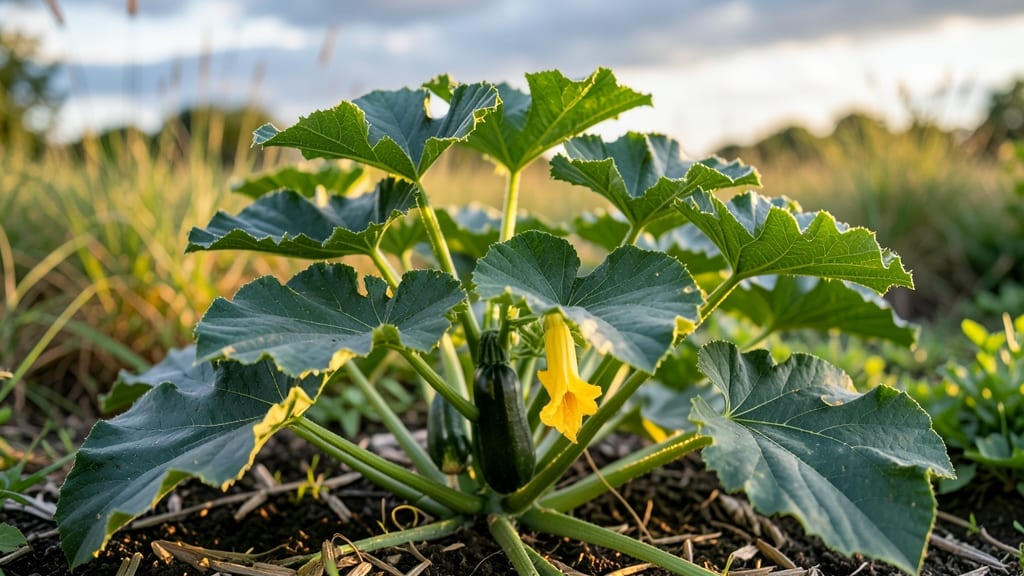
Zucchini leaf identification saves you from tossing perfectly good veggies. 🌱 Healthy leaves are dark green, broad, and slightly fuzzy—anything spotted, curled, or covered in white powder is a red flag. I’ve learned the hard way that ignoring early signs means losing the whole plant.
Start by checking the undersides of leaves for tiny eggs or webbing (squash bugs or spider mites). Yellowing edges? That’s usually nitrogen deficiency—feed the soil. Powdery mildew looks like dust, while bacterial spots show up as water-soaked brown patches.
A quick spray of neem oil or baking soda mix can turn things around before it’s too late.
Your goal is to harvest smooth, glossy leaves for cooking—just like the ones you’d find at the farmers’ market. Once you spot the difference between normal wear and true damage, you’ll catch problems early. And trust me, your zucchini plants will thank you with bigger, tastier fruit all season.
📚 In This Guide
- What you need
- Instructions
- Tips and common mistakes
- Wrapping up and next steps
What you need
- ● Zucchini plant samples: Fresh leaves (preferably from both cultivated zucchini and wild look-alikes like Cucurbita pepo varieties). Aim for 3–5 leaves per type for comparison.
- ● Hand lens or magnifying glass: A 10x magnification lens (e.g., blank">Jisulife 10X Magnifier) to inspect fine details like leaf texture and vein patterns.
- ● Field guide or smartphone: A printed guide (e.g., Norton’s Field Guide to Edible Wild Plants) or a downloaded app like PictureThis or PlantNet for quick reference.
- ● Notebook and pen: To jot down observations (leaf shape, color, aroma, and any distinguishing features). A ruled 5x8" notebook works great!
- ○ Gloves (optional but recommended): Lightweight gardening gloves (e.g., Fiskars Nylon Coated) to protect hands from prickly stems or sap.
- ● Digital camera: A smartphone with a macro mode (e.g., iPhone or Android with "Pro" settings) to capture high-res images for later analysis.
- ● Ruler or measuring tape: To document leaf size (e.g., 12-inch stainless steel tape)—zucchini leaves typically range 6–12 inches long.
- ● Smelling salts or vinegar: A small bottle of white vinegar to test for toxic sap (some wild cucurbits release a foul odor when crushed).
- ● Pruning shears: Small, sharp shears (e.g., Felco F2) for safely harvesting leaf samples without damaging the plant.
- ● UV flashlight (blacklight):strong> A long-wave UV light (e.g., blank">UV-A Flashlight) to check for fluorescent patterns—some toxic leaves glow under UV!
- ● Basic botany knowledge: Familiarity with terms like lobed, serrated, or palmate leaf structures helps. Watch a 5-minute intro video if needed!
- ● Safety first: Never consume a plant unless you’re 100% certain it’s edible. When in doubt, throw it out!
- ● Legal considerations: Check local foraging laws—some areas restrict harvesting wild plants without permission.
Quick guide to zucchini leaf identification
Here's how to tell edible zucchini varieties from toxic lookalikes in seconds.
🌿 Step 1: Examine Leaf Shape and Texture
Start by looking at the leaf edges—edible zucchini leaves have deeply lobed edges with rough, jagged teeth that resemble a jagged saw blade. The leaves feel stiff and slightly hairy when you brush your fingers across them. This texture helps distinguish them from toxic lookalikes, which often have smoother or more delicate edges.
Notice the leaf veins too. Edible zucchini leaves have prominent, raised veins that create a web-like pattern. If you see leaves with smooth, rounded lobes or very fine, almost feather-like edges, you're likely looking at a toxic plant like moonflower (Ipomoea alba) or bittersweet nightshade.
🌱 Step 2: Check the Stem and Growth Pattern
The stem of a true zucchini plant will be thick, woody, and covered in small hairs when mature. Run your thumb along the stem—you should feel a slightly rough texture. Toxic plants often have smooth, slender stems that feel almost waxy.
Look at how the leaves grow. Edible zucchini leaves attach directly to the stem in a spiral pattern, with each new leaf emerging slightly higher than the last. If you see leaves growing in opposite pairs or in a whorled pattern, that's a red flag for toxicity.
☀️ Step 3: Observe Flower and Fruit Clues
Edible zucchini plants produce bright yellow flowers that appear in clusters along the stem. These flowers are large, about 2-3 inches wide, with five distinct petals. If you see white or purple flowers instead, you're dealing with a toxic plant.
Check for fruit too. True zucchini fruits grow directly from the leaf nodes and start as small, dark green bumps. Toxic plants may produce fruits that look like small, round berries or long, slender pods—these are never safe to eat.
✂️ Step 4: Smell Test for Safety
Gently crush a leaf between your fingers. Edible zucchini leaves have a mild, slightly sweet aroma—think fresh green beans with a hint of earthiness. If you catch a strong, bitter smell or anything resembling rotten eggs or chemicals, put the plant down immediately.
This smell test works best in the morning when plant oils are most concentrated. Never rely on smell alone—always combine it with the visual checks from the previous steps. When in doubt, consult a local gardening expert or extension service.
🌱 Step 5: Verify with Plant Labels
If you're still unsure, check any plant tags or labels you might have. Edible zucchini varieties are usually labeled with names like "Black Beauty," "Golden Zucchini," or "Patio Star." Toxic lookalikes often have scientific names like "Ipomoea" or "Solanum" on their labels.
I keep a small notebook by my garden where I jot down plant names and characteristics. This has saved me from multiple close calls with plants that looked similar but weren't safe. When in doubt, it's always better to err on the side of caution and avoid consumption.
Tips & tricks for quick zucchini leaf identification
These fast, foolproof tricks will help you spot edible zucchini leaves in seconds—no gardening degree required.
Leaf Edge Close-Up: Hold the leaf up to a bright light and examine the edges under 3x magnification (or your phone camera's zoom). Edible zucchini leaves have jagged, saw-tooth edges that look like they've been cut with a serrated knife. Toxic lookalikes often have smoother, more rounded edges that resemble maple leaves. I keep a small magnifying glass in my gardening toolkit just for this purpose—it's saved me from multiple close calls.
Stem Texture Test: Run your thumb along the stem while looking at it from the side. True zucchini stems should feel rough like sandpaper and appear slightly fuzzy when viewed closely. Toxic plants often have smooth, almost waxy stems that feel slippery to the touch. This is my go-to test because it's impossible to confuse once you've felt the difference a few times.
Growth Pattern Rule: Look at how leaves attach to the stem. Edible zucchini leaves grow in a spiral pattern, with each new leaf emerging slightly higher than the previous one. If you see leaves growing in opposite pairs (like a mirror image) or in whorls (three or more leaves at a single node), that's a clear sign you're dealing with a toxic plant. I've found this visual cue is the most reliable when I'm unsure about other characteristics.
Morning Smell Check: Crush a leaf between your fingers first thing in the morning when plant oils are most concentrated. Edible zucchini leaves should smell fresh and slightly sweet, like green beans with a hint of cucumber. If you detect any bitter, chemical, or rotten odor, avoid the plant entirely. I've learned the hard way that smell is the final test—once, I almost used leaves that smelled faintly of garlic, which turned out to be a toxic relative.
Pro Tips for Zucchini Leaf Identification
- These fast, foolproof tricks will help you spot edible zucchini leaves in seconds—no gardening degree required.
- Leaf Edge Close-Up: Hold the leaf up to a bright light and examine the edges under 3x magnification (or your phone camera's zoom).
- Stem Texture Test: Run your thumb along the stem while looking at it from the side.
Frequently asked questions
about zucchini leaf identification—because even the greenest thumbs need a little clarification! Here’s what you’ve been wondering:Can I eat zucchini leaves if they’re from a store-bought zucchini?
Store-bought zucchini often comes from conventional farming where leaves may be treated with pesticides or wax coatings. Always wash thoroughly and check labels for organic certification. When in doubt, stick to homegrown leaves—you’ll know they’re pesticide-free!
When is the best time to harvest zucchini leaves for cooking?
Harvest young, tender leaves in the morning after dew has dried but before the sun peaks (around 9–11 AM). Older leaves turn tough and bitter—aim for early growth (first 4–6 weeks of the plant’s life) for the best flavor. Pro tip: Use sharp scissors to avoid damaging the stem!
What if my zucchini plant has yellow or spotted leaves? Are they still safe to eat?
Yellow or spotted leaves often signal pests (aphids, powdery mildew) or nutrient deficiencies. While the leaves may still be edible, remove heavily damaged ones to protect the plant. Cooking can neutralize mild pesticides, but avoid leaves with mold or black spots—these are unsafe.
Are there any non-zucchini leaves I can use as a substitute?
Swap zucchini leaves for squash leaves (like butternut or pumpkin), chard, or even spinach in recipes. Just note that flavors and textures vary—squash leaves are heartier, while spinach wilts faster. For a zucchini-like taste, try pumpkin leaves (they’re in the same family!).
How do I store harvested zucchini leaves to keep them fresh?
Wrap leaves in a damp paper towel, place them in a sealed container, and refrigerate for up to 5 days. For longer storage, blanch and freeze them like spinach. Avoid washing until ready to use—excess moisture speeds up spoilage.
Wrapping up and next steps
Mastering zucchini leaf identification is your first step toward safe and confident gardening! 🌱 By now, you’ve learned to spot the Cucurbita pepo leaves from toxic look-alikes like Datura or Nightshade. Remember: shape, texture, and scent are your best allies—trust your instincts, but always double-check when in doubt.
Ready to put your skills to the test? Start harvesting those zucchini leaves for pest-repellent teas or nutrient-rich compost. Or, if you’re feeling adventurous, experiment with cooking them (they’re edible and packed with flavor!). Happy gardening—your green thumb is growing stronger every day! 🌿✨