
Pruning
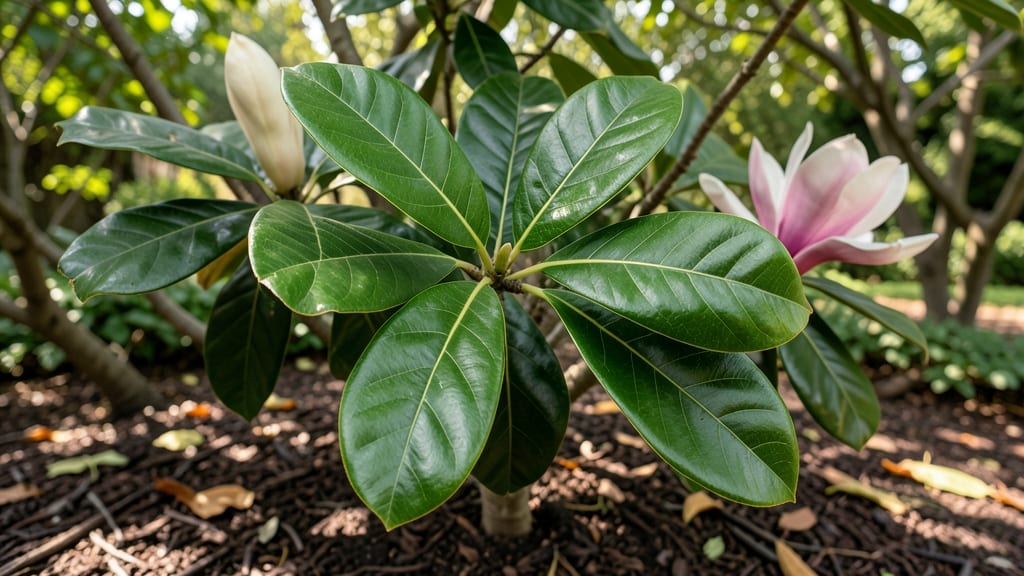
Mastering magnolia tree leaf identification starts with their bold, leathery texture and glossy finish—like nature’s own polished armor. 🌿 The key is their elliptical shape, smooth edges, and prominent veins that fan out from the central stem, giving them a distinctive, almost sculptural look.
These aren’t just leaves; they’re the calling cards of magnolias, and once you spot them, you’ll recognize them anywhere. Most magnolias share this basic shape, but Southern magnolias have wider, more oblong leaves, while star magnolias sport smaller, almost star-shaped buds before their leaves unfurl.
The color shifts from deep green in summer to a fiery gold in fall, a clue that tells you exactly which season to expect those iconic blooms.
Even pests can’t hide their damage—the telltale signs are holes, yellowing, or a sticky residue that screams, "Something’s wrong here." You’ll learn to spot the subtle differences between healthy leaves and those under siege from scale, aphids, or fungal spots.
A quick leaf rub test (yes, really) can reveal powdery mildew or spider mites before they become a full-blown crisis. This isn’t just about recognizing leaves—it’s about understanding the health of your tree from the ground up. For the doubters, there’s an app for that.
Leaf-snapping tools like PictureThis or PlantNet let you upload photos for instant ID, but nothing beats the confidence of spotting those veins and edges yourself. Once you master this, every magnolia in your neighborhood will start looking like an old friend.
Understanding Leaf Changes in Magnolias
Magnolia trees are prized for their stunning foliage, but their leaves can sometimes exhibit puzzling traits—whether it’s unexpected color shifts, unusual shapes, or irregular vein patterns. These changes rarely happen by chance; they’re usually signals from the tree’s environment, health, or genetics.
Below, we break down the key reasons why magnolia leaves may look different than expected, along with the science behind each cause.
Magnolias are sensitive to their surroundings, and extreme conditions can force leaves to adapt—or struggle. Here’s how:
Temperature and Heat Shock
Magnolias thrive in USDA Zones 4–9, but sudden temperature swings (like late frosts or scorching heat) can stress them out. When exposed to: - Cold snaps below 20°F (-6°C): Leaves may develop brown edges or crispy patches as cells freeze and rupture.
This is called cold injury, and it’s irreversible for that season. - Heatwaves above 90°F (32°C): Leaves can scorch (turn yellow or brown) due to oxidative stress—when sunlight overpowers the tree’s ability to photosynthesize efficiently. Young leaves are especially vulnerable.
✨ Pro Tip: Mulch around the base with 3–4 inches of organic matter (like wood chips) to insulate roots and regulate soil temperature. Drip irrigation during heatwaves can also prevent dehydration stress.
Water Woes: Too Much or Too Little
Magnolias hate soggy roots but also despise drought. Both extremes alter leaf health: - Overwatering: Leads to yellowing (chlorosis) between veins, as roots suffocate and can’t absorb iron or manganese.
The veins stay green because they’re less affected by poor drainage. - Underwatering: Causes curling, dry edges, or premature leaf drop. Cells lose turgor pressure (think of a wilting flower), and the tree prioritizes survival over leaf growth.
💡 Fix It: Test soil moisture 2–3 inches deep—if it’s dry, water deeply 1–2 times per week (adjust for clay vs. sandy soil). Ensure proper drainage with raised beds or gravel layers if your yard floods easily.
Sunlight Exposure Mismatch
Magnolias are partial-shade lovers, but too much or too little sun throws their leaves off balance: - Too much sun (burn): Leaves may develop bleached, papery patches (sun scald).
This is common on southern or western exposures where UV rays intensify. - Too little sun (weak growth): Leaves turn small, pale, and sparse, lacking the deep green hue of well-lit trees. Chlorophyll production slows, reducing the tree’s energy reserves.
🌿 Solution: Plant magnolias where they get morning sun and afternoon shade, especially in hot climates. If transplanting, acclimate gradually over 2–3 weeks to avoid shock.
Pests and pathogens don’t just attack leaves—they rewire how a magnolia grows. Here’s how:
Magnolia Scale and Spider Mites
These tiny invaders sap nutrients from leaves, leading to:
- Stunted growth (leaves stay small or fail to unfurl fully).
- White/yellow speckling (from scale insects) or silver webbing (from mites).
- Premature leaf drop as the tree diverts energy to fight off the infestation.
🔥 Combat Them: Spray leaves with neem oil (1 tsp per gallon of water) or introduce beneficial insects like ladybugs. For severe cases, use horticultural oil in early spring before buds swell.
Fungal Infections (Anthracnose, Powdery Mildew)
Fungi thrive in humid, shady conditions and cause:
- Dark spots with yellow halos (anthracnose) or white powdery coatings (mildew).
- Leaf curling or premature drop as the tree tries to limit fungal spread.
🍳 Treatment: Prune infected branches 12 inches below damage to remove spores. Apply copper fungicide (like Bordeaux mix) in early spring, and space trees 10–15 feet apart for airflow.
Bacterial Leaf Spot
Caused by Xanthomonas bacteria, this disease creates:
- Water-soaked brown spots that turn gray and crusty.
- Leaf drop if untreated, weakening the tree over time.
👨🍳 Prevent It: Avoid overhead watering (use drip irrigation). Sterilize pruners with rubbing alcohol between cuts, and remove fallen leaves promptly.
Leaves scream for help when their diet is off. Here’s what to watch for:
Iron or Nitrogen Shortages
- Yellowing between veins (chlorosis): Classic sign of iron deficiency, common in alkaline soils (pH >7.0). Magnolias can’t absorb iron when soil pH is high.
- Overall pale leaves: Likely nitrogen deficiency, causing slow growth and weak stems.
📊 Test & Fix: Get a soil test from your local extension office. For iron, apply chelated iron or sulfur to lower pH. For nitrogen, use a balanced fertilizer (10-10-10) in early spring.
Over-Fertilization (Salt Burn)
Too much fertilizer (especially high-salt varieties) causes:
- Brown, crispy leaf edges (like a sunburn).
- Stunted root growth as salts disrupt water uptake.
💪 Recovery: Flush the soil with water to leach out excess salts. Switch to organic compost or slow-release granules for safer feeding.
Not all leaf quirks are problems—some are hardwired into the tree’s DNA!
Natural Leaf Variations by Species
Magnolias come in dozens of species, each with unique leaf shapes, sizes, and colors:
- **Southern Magnolia (Magnolia grandiflora): Large, leathery, glossy leaves with prominent veins and evergreen foliage.
- Sweetbay Magnolia (M. virginiana): Smaller, lance-shaped leaves that turn yellow in fall (deciduous in colder zones).
- Star Magnolia (M. stellata): Narrow, oblong leaves with smooth edges and early spring blooms.
🎯 Actionable Tip: If you’re unsure of your tree’s species, compare leaves to a field guide** or consult a local arborist. Some hybrids (like Magnolia × soulangeana) may have semi-evergreen leaves that drop in harsh winters—this is normal!
Juvenile vs. Mature Leaves
Young magnolia trees often have smaller, simpler leaves that gradually develop into the larger, lobed adult form.
For example: - Star Magnolia seedlings may start with tiny, oval leaves before growing the classic oblong shape. - **Saucer Magnolia (M. × loebneri) leaves become more deeply veined as the tree matures.
⏰ Timeline: Give your tree 3–5 years** to reach its full leaf potential before worrying about "abnormal" growth.
Quick Fixes for Leaf Issues
When your magnolia tree’s leaves aren’t looking their best, the good news is that most problems have simple, effective solutions. Below, we’ve mapped common issues to step-by-step fixes—plus prevention tips to keep your tree thriving. Let’s get those leaves back to their glossy, healthy glory!
Cause: Too much water, poor drainage, or lack of essential nutrients (like nitrogen or iron).
How to Fix It: 🔥 Check the Soil First Test your soil’s moisture by sticking your finger 2 inches deep. If it’s soggy, your tree is overwatered. If dry, it’s thirsty—but don’t drown it!
🍳 Adjust Your Watering Routine
- Overwatered? Let the top 3 inches of soil dry out before watering again. Improve drainage by adding compost or sand to heavy clay soil.
- Underwatered? Water deeply 1-2 times per week (more in extreme heat). Use a soaker hose to deliver moisture slowly.
👨🍳 Fertilize for a Boost
- For nitrogen deficiency (pale yellow leaves): Apply a balanced fertilizer (10-10-10) in early spring.
- For iron deficiency (yellow leaves with green veins): Use an iron chelate or apply sulfur if the soil is too alkaline.
🌡️ Prevention Tips ✔ Mulch around the base (2-3 inches deep) to retain moisture and regulate temperature. ✔ Avoid compacting soil near the roots—walk around the tree, not on it!
Cause: Dry air, insufficient water, or sudden temperature swings (like frost or heatwaves).
How to Fix It: 🔥 Increase Humidity (If Needed) Mist the leaves on hot days or place a tray of water near the tree. For large trees, a sprinkler system can help.
🍳 Deep Watering Sessions Water slowly at the base of the tree until the soil is moist 6 inches down. Repeat every 5-7 days unless rain intervenes.
👨🍳 Protect from Extreme Conditions
- Frost damage? Cover young trees with burlap or a frost blanket on cold nights.
- Heat stress? Prune nearby competing plants to improve airflow and reduce evaporation.
🎯 Prevention Tips ✔ Group magnolias with other plants to create a microclimate with more humidity. ✔ Avoid pruning in late summer—it stresses the tree when new growth is vulnerable.
Cause: Magnolia scale, webworms, or Japanese beetles munching on foliage.
How to Fix It: 🔥 Identify the Culprit
- Scale insects: Look for small, bumpy bumps on stems/leaves.
- Webworms: Find silky webs or sawdust-like frass (insect droppings).
- Japanese beetles: Spot skeletons of leaves with chewed edges.
🍳 Natural Pest Control
- Neem oil spray: Mix 1 tbsp neem oil + 1 tsp mild soap in 1 quart water. Spray leaves thoroughly every 5-7 days.
- Beneficial insects: Release ladybugs or lacewings to prey on pests.
👨🍳 Severe Cases? Use Chemical Treatments Apply horticultural oil or insecticidal soap (follow label instructions). For Japanese beetles, use a grub killer in early spring.
💡 Prevention Tips ✔ Inspect leaves regularly—catch infestations early! ✔ Remove fallen leaves and debris where pests hide.
Cause: Fungal diseases (like anthracnose), root rot, or circulatory problems.
How to Fix It: 🔥 Prune Infected Branches Cut off and destroy (don’t compost!) any branches with black spots, lesions, or oozing sap. Sterilize pruners with rubbing alcohol.
🍳 Treat Fungal Infections
- Copper fungicide: Spray in early spring to prevent anthracnose.
- Baking soda spray: Mix 1 tbsp baking soda + 1 quart water + a few drops of soap. Spray leaves weekly.
👨🍳 Revive Stressed Roots
- Root rot? Improve drainage immediately—raise the tree’s base with soil amendments.
- Circulatory issues? Apply a root stimulator like mycorrhizal fungi to boost health.
🌡️ Prevention Tips ✔ Avoid overhead watering—use drip irrigation to keep leaves dry. ✔ Space trees properly (15-20 feet apart) for airflow.
| Season | Task | Why It Matters |
|---|---|---|
| Spring | Fertilize + prune dead branches | Jumpstart growth after winter. |
| Summer | Mulch + monitor pests | Retain moisture and deter insects. |
| Fall | Rake leaves + apply fungicide | Prevent fungal buildup over winter. |
| Winter | Protect young trees from frost | Avoid cold damage to tender leaves. |
Pro Tip: 💡 When in doubt, snap a photo of the leaf issue and compare it to online guides (like the University of Florida’s magnolia pest page). Early action = happier trees!
Frequently asked questions
How can I tell if my magnolia leaves are healthy or diseased?
Healthy magnolia leaves are deep green, glossy, and leathery with smooth edges and prominent veins. Look for irregular brown spots, yellowing between veins (chlorosis), or unusual curling—these are red flags. A quick test: Rub a leaf between your fingers—healthy leaves feel firm, while diseased ones may crumble or have a powdery residue.
What’s the difference between magnolia leaves and similar trees like camellias?
Magnolia leaves are typically larger, elliptical, and glossier with a prominent central vein and smooth edges. Camellia leaves are narrower, often serrated, and have a more waxy texture. Another clue: magnolias bloom in spring/summer, while camellias flower winter to early spring.
Why do some magnolia leaves turn yellow in fall while others stay green?
This depends on the species! Southern magnolias keep their leaves year-round (evergreen), while Sweetbay magnolias turn golden-yellow in fall. Some hybrids may drop leaves in harsh winters—this is normal. If leaves yellow unexpectedly in summer, check for overwatering or nutrient deficiencies (like iron).
Can I use leaf shape alone to identify a magnolia species?
Leaf shape is a great starting point, but buds and flowers are key for precise ID. For example, Star Magnolia leaves are narrow with star-shaped buds, while Saucer Magnolia leaves are broader with saucer-like blooms. Use a field guide or app like PictureThis to cross-reference—some species have overlapping leaf traits!
What should I do if my magnolia leaves have holes but no visible pests?
Holes without pests could signal webworms (hidden in silky webs) or Japanese beetles (active at dawn/dusk). Check the undersides of leaves and nearby branches. Treat with neem oil or insecticidal soap. If the damage is severe, consider a horticultural oil spray in early spring before new growth appears.