
Pests and Diseases
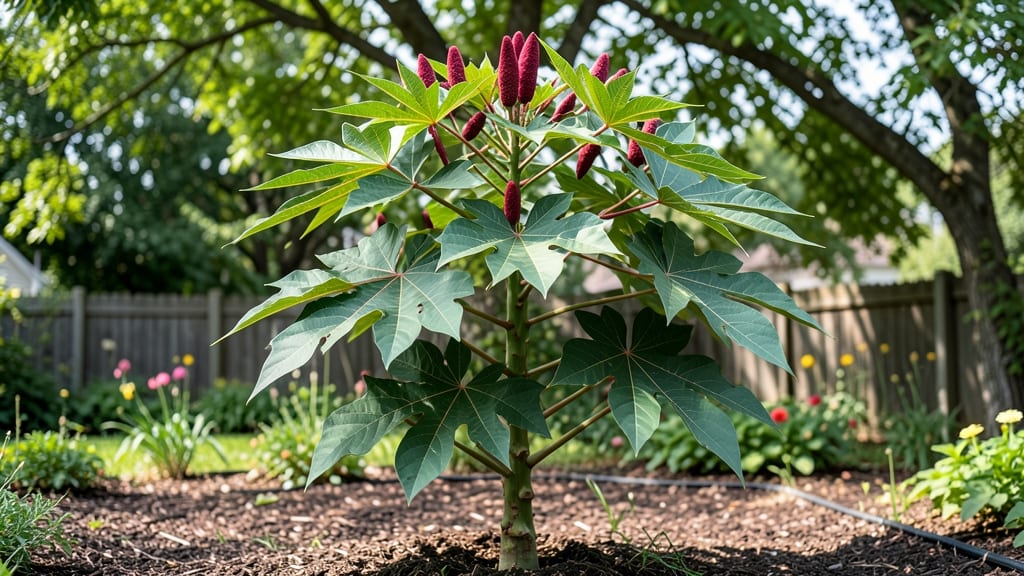
That five-leaf poison plant in your garden could be poison ivy—and it’s not worth the risk. 🌿 I’ve seen gardeners accidentally bring it home in mulch, on tools, or even as a misidentified vine, only to deal with weeks of itchy rashes.
The key to staying safe is recognizing those telltale leaves early: three leaflets per stem, smooth edges, and a glossy sheen that’s almost too perfect.
If you suspect exposure, act fast: wash skin with cold water and soap within 10 minutes to reduce oil spread, then apply calamine lotion or take an antihistamine. The real danger isn’t just the rash—it’s the way the plant’s oils (urushiol) cling to everything, from gardening gloves to pet fur.
I once tracked it into my house on my boots, and trust me, you don’t want that scene playing out in your home.
Removal requires gloves, long sleeves, and a trash bag—no exceptions. Use a shovel to dig up roots (even small pieces regrow), then double-bag everything before disposal. For stubborn patches, vinegar or a commercial herbicide works, but always wear a mask.
The goal isn’t just to clear the plant—it’s to break the chain so it never comes back.
Prevention starts with vigilance: inspect garden edges, avoid burning (smoke spreads urushiol), and clean tools after working near wooded areas. A little caution now saves weeks of discomfort later. Better safe than sorry—your skin will thank you.
Toxic Compounds Trigger Reactions
When it comes to plants like the 5-leaf poison ivy (or its dangerous lookalikes), the real danger lies in their chemical defenses. These plants produce urushiol—a potent oil that causes severe allergic reactions in most people.
But why does this happen? Let’s break down the science behind the irritation, exposure risks, and how these plants evolved to become such effective troublemakers.
Urushiol is the primary irritant in plants like poison ivy, poison oak, and poison sumac. This oily resin is stored in specialized cells called idioblasts and is released when plant tissues are damaged—whether by touch, crushing, or even smoke from burning the plant.
Urushiol acts as a natural pesticide, deterring herbivores and pathogens. When it comes into contact with human skin, it triggers an immune response. The body recognizes urushiol as a foreign invader and releases histamines, leading to inflammation, blisters, and intense itching.
Surprisingly, only about 15-30% of people are highly sensitive to urushiol, but for them, even minimal exposure can cause a painful rash.
Fun fact: Urushiol can remain active on tools, clothing, or even pet fur for years, making proper cleanup critical after contact.
Urushiol doesn’t just lurk in the leaves—it’s present in all parts of the plant, including stems, roots, and even the sap. Here’s how people commonly come into contact:
- Direct skin contact: Touching leaves, vines, or even the plant’s roots while gardening or hiking.
- Indirect transfer: Urushiol can hitch a ride on tools, gloves, or pets, then transfer to skin later.
- Airborne spread: Burning poison ivy releases urushiol particles into the air, which can land on skin or lungs, causing severe reactions.
- Contaminated surfaces: Leaves or debris from the plant can stick to clothing, shoes, or outdoor furniture, leading to delayed reactions.
Pro tip: 🌡️ If you suspect exposure, wash the affected area with cold water and soap within 10-15 minutes—this can significantly reduce the severity of the rash.
Not everyone who touches a poisonous plant will break out in hives, but certain factors amplify the risk of a severe reaction:
| Factor | Why It Matters |
|---|---|
| Genetics | About 15-30% of people are highly sensitive due to genetic predisposition. If your parents reacted badly, you’re more likely to too. |
| Frequency of Exposure | Repeated exposure can sensitize the skin, making future reactions stronger over time. |
| Skin Condition | Broken skin, eczema, or sweat can increase absorption of urushiol, worsening the reaction. |
| Environmental Conditions | Hot, humid weather can make rashes itchier and more painful, while cold weather may slow the spread of the reaction. |
Key takeaway: If you’re prone to severe reactions, avoid areas with these plants entirely. Even a small amount of urushiol can trigger a full-blown outbreak.
Urushiol isn’t just a nuisance—it’s a survival strategy. These plants evolved to produce it as a defense mechanism:
- Deters herbivores: Deer, rabbits, and insects avoid eating plants with urushiol, giving them a competitive edge.
- Fungal resistance: The compound also helps repel plant pathogens, ensuring the plant thrives.
- Long-lasting protection: Unlike some plant toxins that degrade quickly, urushiol remains potent for years, even after the plant dies.
Unfortunately for humans, this chemical defense comes at our expense—making these plants some of the most persistent and problematic in gardens and wild areas.
How to Treat and Remove It
If you’ve identified a toxic lookalike in your garden—whether it’s a misplaced five-leaf plant or another dangerous doppelgänger—acting fast is key. Below, we’ll break down practical, step-by-step solutions tailored to the cause of your problem, from accidental ingestion to garden contamination.
We’ll also share prevention tips to keep your space (and your pets) safe.
If someone—or your furry friend—has ingested part of the plant, don’t panic, but act fast. Follow these steps:
- 🚑 Call Poison Control or a Vet
- In the U.S., contact the Poison Help hotline (1-800-222-1222) or take them to the nearest ER.
- For pets, call the ASPCA Animal Poison Control Center (888-426-4435).
- 💧 Rinse the Mouth (If Safe)
- Gently rinse the mouth with water (but never induce vomiting unless instructed by a professional).
- Avoid milk or syrup of ipecac unless advised.
- 📋 Document Symptoms
- Note any reactions (nausea, swelling, dizziness) and show the plant (or a photo) to medical staff.
- 🚫 Avoid Home Remedies
- Never use mustard, salt, or hydrogen peroxide—these can worsen irritation.
If the plant is thriving in your yard or pots, physical removal is the best fix. Here’s how to do it without spreading toxins or harming other plants:
Step 1: 🧤 Gear Up for Protection
- Wear long sleeves, gloves, and a mask (toxic sap can irritate skin and lungs).
- Work outdoors or in a well-ventilated area.
Step 2: 🌿 Pull or Dig It Out
- For small plants: Grasp the base and pull firmly (roots and all).
- For deep roots: Use a shovel or trowel to dig around the perimeter before lifting.
- For stubborn patches: Apply vinegar (50% water, 50% white vinegar) to kill roots before pulling.
Step 3: 🔥 Dispose of It Properly
- Bag the entire plant (including roots) in a sealed plastic bag.
- Do NOT compost—toxic compounds can linger.
- Check local regulations: Some areas require hazardous waste disposal for poisonous plants.
Step 4: 🌱 Sanitize the Soil
- Wash the area with a bleach solution (1 part bleach to 10 parts water) or rubbing alcohol (70% isopropyl).
- Replant with non-toxic alternatives (e.g., coleus, impatiens, or marigolds).
Once you’ve removed the threat, stop it from coming back with these smart strategies:
🔍 Know Your Plants
- Double-check new plants against databases like the USDA Plants Database or Poisonous Plants of North America.
- Buy from reputable nurseries—ask if plants are pet-safe before purchasing.
🌿 Create a Toxin-Free Zone
- Mulch heavily around garden beds to suffocate weeds (including toxic lookalikes).
- Use landscape fabric under mulch to block regrowth.
🐕 Pet-Proof Your Garden
- Train pets to avoid chewing plants (use bitter sprays like Bitter Apple on non-toxic plants).
- Keep toxic plants in elevated pots (out of reach of curious paws).
📅 Regular Inspections
- Check your garden weekly for unfamiliar leaves or sprouts.
- Take photos of new growth and compare them to poison plant guides.
If you loved the look of the toxic lookalike but want safe, stunning alternatives, try these:
| Toxic Lookalike | Safe Swap | Why It’s Great |
|---|---|---|
| Castor Bean | Sunflower (Helianthus) | Bright, edible seeds; attracts pollinators. |
| Angel’s Trumpet | Datura (Jimsonweed) | Wait—this is toxic too!* Try Moonflower (Ipomoea alba) instead. |
| Five-Leaf Plant | Coleus (Plectranthus) | Colorful, non-toxic, and thrives in shade. |
| Oleander | Lantana | Drought-resistant and butterfly-friendly. |
- 🌡️ Test Soil pH—some toxic plants thrive in acidic soil; adjust with lime if needed.
- ✨ Use companion planting—garlic, marigolds, and basil can naturally deter weeds.
- 📱 Download a plant ID app (like PictureThis or PlantNet) to verify new growth instantly.
Remember: When in doubt, when it out. If you’re unsure whether a plant is safe, remove it immediately and consult an expert. Your garden—and your family’s health—will thank you!
Frequently asked questions
What’s the difference between poison ivy and a five-leaf plant like Dieffenbachia?
Poison ivy has three leaflets (rarely five) with smooth edges and a glossy finish, while Dieffenbachia (dumb cane) has larger, smooth-edged leaves with white speckles. The key difference? Poison ivy’s oil (urushiol) causes rashes, while Dieffenbachia’s sap irritates the mouth/throat if chewed. Both are toxic, but their effects differ.
How do I know if my rash is from poison ivy or something else?
Poison ivy rashes appear as red, itchy streaks or patches that spread where the oil touched skin (like arms or legs). They take 1-2 weeks to develop and blister severely. Compare with photos online—if it matches, act fast: wash with cold water and soap immediately, then use calamine lotion or hydrocortisone cream.
Can I still use my gardening tools after touching poison ivy?
Absolutely not! Urushiol oil can linger on tools for years. Clean them with rubbing alcohol (70% isopropyl) or dish soap and hot water. For stubborn residue, soak tools in a bleach solution (1:10 ratio). Always wear gloves when handling tools afterward to avoid re-exposure.
What’s the safest way to remove poison ivy from my yard?
Wear long sleeves, gloves, and a mask—never burn it (smoke spreads urushiol!). Dig up roots with a shovel, double-bag the plant, and dispose of it in sealed trash. For large patches, spray with vinegar (50/50 with water) or a commercial herbicide like glyphosate (follow label instructions). Always wash your clothes and skin afterward.
Will my pets get sick if they eat poison ivy?
Yes! Pets can develop oral irritation, vomiting, or swelling after chewing poison ivy. If you suspect ingestion, call the ASPCA Poison Control (888-426-4435) immediately. Rinse their mouth with water (no soap) and monitor for symptoms like drooling or lethargy. Keep pets away from garden edges where poison ivy often grows.