
Trees
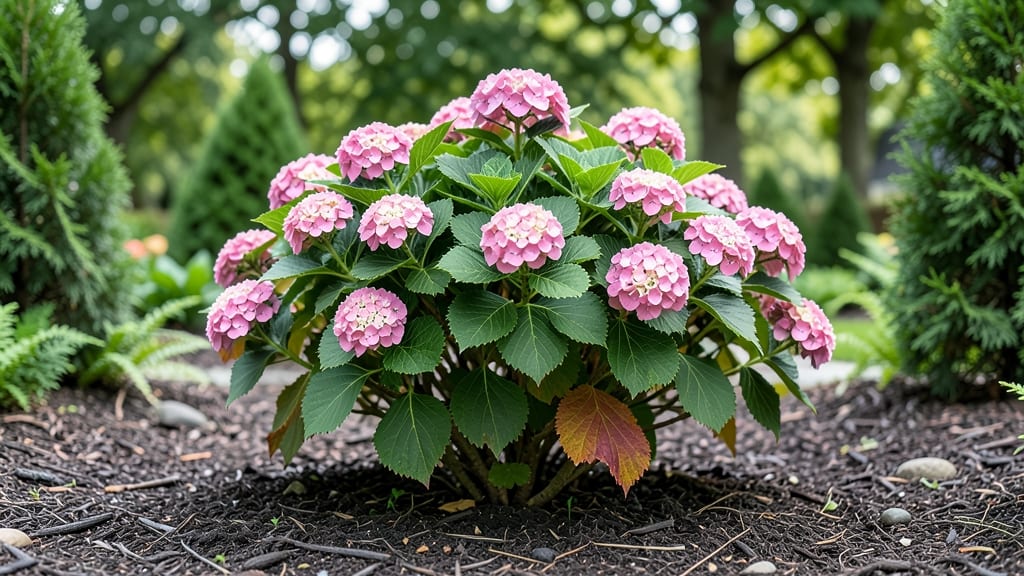
Growing a dwarf oak leaf hydrangea transforms shady corners into lush, low-maintenance focal points. 🌿 This cultivar brings the drama of its larger cousin—exfoliating bark, stunning fall foliage, and delicate white blooms—without the sprawling habit.
The key lies in mimicking its native woodland edge conditions, where it thrives in dappled light and rich, moist soil.
Start with well-draining soil amended with compost, and plant in a location with morning sun and afternoon shade. Dwarf varieties like 'Snow Queen' stay under 4 feet tall, making them perfect for small gardens or container growing.
Water deeply after planting, then maintain consistent moisture—especially during the first growing season—to establish strong roots.
Pruning becomes effortless once you understand its natural shape. Lightly shape in late winter or early spring, removing only dead or crossing branches. The real magic happens in fall, when its leaves turn fiery shades of red and orange, and the bark peels back to reveal stunning cinnamon tones.
With minimal care, this plant rewards you with year-round interest.
Troubleshooting is simple: yellowing leaves often signal overwatering, while brown edges mean too much sun. Mulch heavily to retain moisture and regulate soil temperature. Whether planted alone or grouped with other shade-loving plants, a dwarf oak leaf hydrangea delivers quiet elegance with almost no effort.
📚 In This Guide
- What you need
- Instructions
- Tips and common mistakes
- Wrapping up and next steps
What you need
- ● Dwarf Oak Leaf Hydrangea (Hydrangea quercifolia ‘Snow Queen’ or similar cultivar) – 1-3 plants (check local nurseries or online retailers for compact varieties).
- ● Well-draining potting mix or garden soil – 5-10 gallons, amended with 20% compost for nutrients.
- ● Organic mulch – 2-3 inches (e.g., shredded bark or pine straw) to retain moisture.
- ● Slow-release fertilizer (10-10-10 or 5-5-5) – 1-2 cups per plant (sprinkle at planting time).
- ● Watering can or hose with a gentle spray nozzle – For consistent moisture (avoid soggy roots!).
- ● Garden trowel or shovel – For digging planting holes (6-8 inches wide/deep).
- ● Pruning shears – Sterilized (rubbing alcohol wipe) for trimming dead growth.
- ● Garden gloves – To protect hands from thorns and soil.
- ○ pH test kit (optional) – Ensures soil pH is 5.0–6.0 (ideal for hydrangeas).
- ○ Stakes & twine (optional) – For young plants in windy areas.
- ● Partial to full shade location – At least 4+ hours of dappled sunlight daily.
- ● Moist, well-draining soil – Avoid waterlogged areas (hydrangeas hate "wet feet"!).
- ● Patience (2-3 years for full bloom!) – Dwarf varieties grow 3–5 ft tall/wide.
How to plant and care for dwarf oak leaf hydrangea
This shade-loving beauty thrives with the right site prep and ongoing attention—here’s how to set it up for years of lush foliage.
🌱 Step 1: Choose the Perfect Planting Site
Dwarf oak leaf hydrangeas (Hydrangea quercifolia) love partial to full shade, with morning sun and afternoon shade ideal in warmer climates. Look for spots where the soil stays consistently moist but well-drained—think dappled woodland light rather than harsh midday sun. Avoid low-lying areas where water pools after rain, as soggy roots invite rot.
Test your soil’s moisture by digging a 6-inch hole—if water drains within 15-30 minutes, it’s perfect. Amend heavy clay with 2-3 inches of compost mixed into the bottom of the hole to improve drainage. The plant’s natural oak-like leaves mean it tolerates shade better than many hydrangeas, but at least 4 hours of indirect light daily keeps foliage vibrant.
🪴 Step 2: Plant at the Right Depth and Spacing
Dig a hole twice as wide as the root ball but only as deep—the top of the root ball should sit flush with the ground, never buried. Gently loosen the roots if they’re circling tightly in the container, then place the plant in the hole. Fill around the edges with the amended soil, pressing lightly to eliminate air pockets but avoiding compaction.
Space 4-5 feet apart for mature size (they stay compact but spread slowly). Mulch with 2-3 inches of organic mulch (like shredded bark) around the base, keeping it 2 inches away from the stem to prevent rot. Water deeply immediately after planting to settle the soil and encourage root contact with the surrounding earth.
☀️ Step 3: Water and Fertilize for Lush Growth
Keep the soil evenly moist but not soggy for the first 6-8 weeks—this is when roots establish. Water 1-2 inches per week, more in extreme heat, and always at the base to avoid wetting leaves (which can cause fungal issues). You’ll know it’s right when the top 1-2 inches of soil feel damp but not waterlogged.
Feed lightly in early spring with a balanced, slow-release fertilizer (10-10-10) at half-strength. Oak leaf hydrangeas are less finicky about fertilizer than mophead types, but a monthly dose of compost tea in growing season keeps foliage rich. Avoid high-nitrogen fertilizers—they promote leafy growth at the expense of those stunning fall colors.
✂️ Step 4: Prune for Shape and Health
Prune late winter or early spring, before new growth starts. Remove dead or crossing branches first, then shape by cutting back 1/3 of the oldest stems to encourage fresh growth. The plant’s natural vase shape needs minimal pruning—focus on opening up the center for airflow. Never prune in fall or winter, as this removes next year’s flower buds.
Watch for yellowing leaves—this usually means overwatering or poor drainage. If branches look leggy, it’s a sign of too much shade or insufficient light. The plant’s oak-shaped leaves are its signature, so avoid heavy pruning that disrupts their form. A light summer trim to tidy up can be done, but keep cuts clean and just above a leaf node.
🌿 Step 5: Protect and Enjoy Year-Round
In winter, mulch 3-4 inches deep around the base to insulate roots from freezing temperatures. These hydrangeas are hardy to USDA Zone 5, but young plants may need burlap wraps in harsh winters. Avoid heavy mulch in summer—it can smother roots in heat.
Fall is the star show—expect deep red, purple, or burgundy foliage as temperatures drop. The oak-shaped leaves turn spectacularly, often lasting into winter. Deadhead spent blooms in late fall to keep the plant tidy, but leave seed heads for winter interest if you prefer a natural look.
Tips & tricks for perfect dwarf oak leaf hydrangea planting
Between us, these shade-loving beauties reward patience more than any other garden staple. Let me share what I've learned after watching them thrive in my own garden—especially that first critical year.
Site Selection Insight: The 15-30 minute drainage test is your golden rule for soil prep. I've seen too many gardeners skip this step and end up with root rot within weeks. Dig that 6-inch hole and time it—if water lingers beyond 30 minutes, you're looking at a soggy disaster. For heavy clay soils, mix in that 2-3 inches of compost right in the hole, not just around it. The roots need immediate drainage improvement where they'll grow, not just surface-level help.
Planting Depth Secret: That flush-with-ground positioning isn't just about looks—it's about preventing crown rot. I learned this the hard way when my first planting got buried too deep and developed fungal issues. Use a small stake as a reference marker when planting to ensure you're not burying the root ball. And here's a pro move: gently score the root ball's sides with a knife if you notice tight circling roots—this encourages outward growth instead of suffocating the plant.
Mulching Mastery: The 2-3 inches of organic mulch serves two purposes: moisture retention and weed suppression. But timing matters—wait until after the first deep watering to apply it. I've seen mulch applied too early actually pull moisture away from fresh roots. Keep that mulch ring 2 inches from the stem to prevent rot, and refresh it annually as it breaks down. For extra insurance in winter, add that 3-4 inch layer—just remember to remove some in summer to prevent overheating.
Pruning Precision: When you're cutting back those oldest stems in Step 4, aim to make clean cuts just above a leaf node. I use sharp pruners and make the cut at a 45-degree angle to prevent water from pooling on the cut surface. And here's what nobody tells you—those leggy branches? They're not just an eyesore. They signal your plant needs more light. If you're seeing this after proper planting, consider moving to a slightly sunnier spot while maintaining that morning sun/afternoon shade balance.
Pro Tips for Dwarf Oak Leaf Hydrangea
- Between us, these shade-loving beauties reward patience more than any other garden staple.
- Site Selection Insight: The 15-30 minute drainage test is your golden rule for soil prep.
- Planting Depth Secret: That flush-with-ground positioning isn't just about looks—it's about preventing crown rot.
Frequently asked questions
Got questions about growing and caring for your dwarf oak leaf hydrangea? You’re not alone! Here are some of the most common queries—plus quick, practical answers to keep your compact beauty thriving in shady spots.
How fast does a dwarf oak leaf hydrangea grow?
A dwarf oak leaf hydrangea grows at a slow to moderate pace, typically adding 6–12 inches per year. With patience, it can reach 3–6 feet tall and wide over 5–10 years. Prune lightly in late winter to encourage bushier growth while maintaining its compact shape.
Is this hydrangea cold-hardy?
Dwarf oak leaf hydrangeas thrive in USDA zones 4–9, making them perfect for cooler climates. They handle winter well, but mulch the base in late fall to protect roots from extreme cold snaps. No extra fuss—just resilience!
How often should I water my dwarf oak leaf hydrangea?
Water deeply 1–2 times per week during the first year to establish roots, then taper to weekly watering once mature (adjust for drought or heatwaves). Key tip: Let the top 1–2 inches of soil dry out between waterings to avoid soggy roots.
Why aren’t my hydrangea leaves changing color?
Oak leaf hydrangeas rely on sunlight for their signature fall foliage. If leaves stay green, check for:
- Partial shade (3–6 hours of dappled light daily)
- Well-draining soil (amend with compost if needed)
- Balanced fertilizer (use a low-nitrogen formula in early spring)
What are good alternatives if I want a smaller hydrangea?
If dwarf oak leaf hydrangeas don’t fit your space, try these compact cousins:
Variety
Height
Key Feature
‘Little Lime’ Hydrangea
2–3 ft
Lime-green foliage; thrives in shade
‘Annabelle’ Hydrangea
3–5 ft
White blooms; drought-tolerant
‘Endless Summer’ (Dwarf Types)
3–4 ft
Reblooming; pink/blue flowers
All three are shade-tolerant and low-maintenance!
Wrapping up and next steps
The dwarf oak leaf hydrangea is a stunning, low-maintenance addition to shade gardens, offering year-round beauty with minimal fuss. Its compact size, vibrant foliage, and adaptability make it perfect for small spaces, containers, or as a focal point.
Whether you're a seasoned gardener or just starting out, this versatile plant is a fantastic choice!
Ready to bring some compact elegance to your garden? Start by choosing the perfect spot—whether it’s a cozy corner, a container, or alongside other shade-loving plants—and enjoy watching your hydrangea thrive! 🌿✨