
Companion Plants
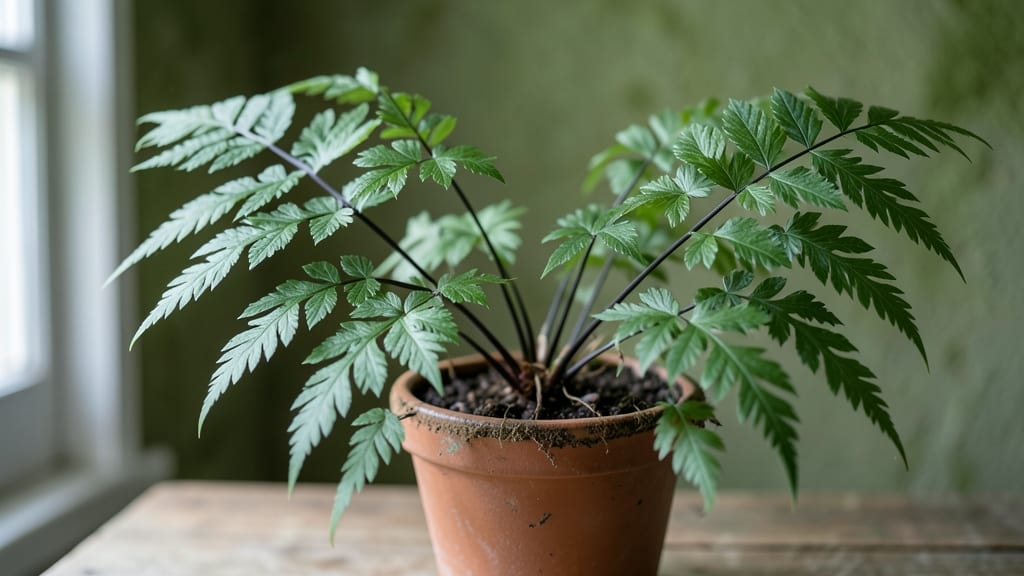
That five-leaf plant with thorns isn’t just a conversation starter—it’s a low-maintenance powerhouse for shady corners. 🌿 I’ve grown mine for years, and it thrives where fussy plants fail. The key?
Recognizing its signature five-lobed leaves and those sharp, protective thorns along the edges (no, it’s not a cactus—it’s a Dracaena marginata, aka the "Dragon Tree"). Most beginners overwater this plant, but it’s shockingly drought-tolerant once established.
Aim for bright, indirect light (it tolerates low light better than most) and let the top inch of soil dry out between waterings. The soil? Just well-draining mix—no fancy amendments needed. Propagation is foolproof too: snip a stem, let it callus, and root it in water or fresh soil.
What you’ll end up with is a tall, architectural centerpiece that purifies air while staying pet-safe (unlike its toxic lookalikes). The thorns deter pests naturally, and the deep green foliage contrasts beautifully with lighter plants like ferns or hostas.
For shade gardens, pair it with calatheas or peace lilies—they love the same conditions but add contrasting textures. Even in apartments, this plant delivers drama with minimal effort.
Why Thorns Appear Naturally
If you’ve ever wondered why your five-leafed, shade-loving plant (likely a Gynura aurantiaca or similar) sports those sharp, needle-like thorns, the answer lies in nature’s survival strategies. These prickly defenses aren’t just random—they’re a carefully evolved response to environmental pressures.
Let’s break down the science behind why these thorns form and what triggers their growth.
The presence of thorns in plants like the five-leafed variety is often hardwired into their DNA. Many plants in the Asteraceae family (which includes this velvety-leaved beauty) develop thorns as a primary defense mechanism against herbivores. Here’s why:
- Deterrent to Pests: Thorns act as a physical barrier, making it difficult for insects, slugs, or even small mammals to nibble on leaves or stems. A single prick can discourage even the most determined snackers!
- Evolutionary Advantage: Plants with thorns are more likely to survive and reproduce, passing on their thorny genes to future generations. Over time, this trait becomes dominant.
- No Extra Energy Needed: Unlike some defensive structures (like thick waxy leaves), thorns require minimal metabolic effort to produce. They’re essentially passive armor.
Pro Tip: 💡 If you’re growing this plant for its foliage and not its thorns, don’t worry—you can’t selectively breed thornless varieties at home, but choosing a well-established cutting with fewer thorns can reduce prickly surprises!
Thorns don’t just appear randomly—they often flare up in response to stress. If your five-leafed plant starts developing more thorns than usual, it might be signaling one of these common stressors:
| Stress Factor | Why It Happens | How to Fix It |
|---|---|---|
| Overcrowding | When roots or leaves compete for space, the plant perceives "threat" from neighboring plants and ramps up defenses. | Prune nearby plants or repot to give your five-leafed friend more breathing room. |
| Nutrient Deficiencies | Low nitrogen or phosphorus can weaken the plant, making it more vulnerable—and thus, thornier—as it tries to protect itself. | Fertilize with a balanced houseplant food (half-strength) every 4-6 weeks. |
| Pest Attacks | Even a single aphid or spider mite can trigger a defensive response, prompting the plant to grow more thorns as a last line of defense. | Inspect leaves regularly and treat pests with neem oil or insecticidal soap. |
| Sudden Environmental Changes | Moving the plant from low light to bright indirect light (or vice versa) can shock it, leading to thorn production. | Acclimate gradually over 1-2 weeks to avoid stress. |
Pro Tip: 🌡️ If your plant is suddenly over-producing thorns, it’s often a sign of underwatering or root stress. Check the soil moisture—it should stay lightly damp but not soggy.
Thorn growth is regulated by plant hormones, particularly ethylene and abscisic acid (ABA). Here’s how they play a role:
- Ethylene: This hormone is released during physical damage (like a leaf being chewed) or stress. It signals the plant to harden its defenses, often resulting in thornier growth.
- Abscisic Acid (ABA): ABA spikes when a plant is water-stressed or exposed to harsh conditions. It triggers survival mechanisms, including thorn production, to conserve energy and protect vital areas.
- Auxin Imbalance: Too much or too little of the growth hormone auxin can disrupt normal development, sometimes leading to abnormal thorn clusters.
For example, if your plant is root-bound, the buildup of ethylene in the roots can travel upward, prompting thorny side shoots to form. Similarly, over-fertilizing with high-nitrogen feeds can disrupt hormonal balance, leading to erratic thorn growth.
Pro Tip: ✨ If you notice thorns forming in unusual patterns (like dense clusters instead of sparse ones), it could indicate a fungal infection. Treat with a copper-based fungicide if needed.
Understanding these triggers helps you prevent excessive thorniness and keep your five-leafed plant thriving—while still appreciating its natural defenses! For more on managing thorns, check out our next section on safe handling tips.
Quick Fixes for Thorny Plant Struggles
When your five-leafed, thorny companion plant starts acting up—whether it’s dropping leaves, developing yellowing foliage, or looking generally lackluster—don’t panic! Most issues have simple, actionable solutions. Below, we’ve mapped common problems to their fixes, so you can revive your plant with confidence.
And don’t worry—these steps are beginner-friendly and won’t require a green thumb or a trip to the garden center.
Signs: Yellowing leaves, mushy stems, or roots that smell foul when checked.
How to Fix It: 🔥 Step 1: Let the Soil Dry Out Stop watering immediately and allow the top 2–3 inches of soil to dry completely before watering again. Stick your finger in the soil—if it’s damp past your first knuckle, wait longer.
🍳 Step 2: Check Your Pot’s Drainage If your plant is in a container without drainage holes, transfer it to a pot with holes or add a layer of pebbles at the bottom to improve airflow. For in-ground plants, amend the soil with perlite or sand to boost drainage.
👨🍳 Step 3: Repot if Necessary If the roots are rotting, gently remove the plant from its pot, trim away any black or mushy roots with sterilized scissors, and repot it in fresh, well-draining soil. Let it recover in a shady spot for a few days before resuming normal care.
💡 Prevention Tip: Water only when the top inch of soil feels dry, and avoid letting your plant sit in saucers of standing water.
Signs: Brown, crispy leaf edges (too much sun) or leggy, pale stems with sparse leaves (too little light).
How to Fix It: 🌡️ Step 1: Adjust Light Exposure Move your plant to a spot that mimics its natural habitat—most five-leafed, thorny varieties thrive in dappled shade or bright, indirect light. If it’s getting scorched, filter the sunlight with a sheer curtain or relocate it to a spot with morning sun and afternoon shade.
🎯 Step 2: Rotate the Plant If your plant is leaning or growing unevenly, rotate it ¼ turn every few weeks to ensure even light exposure on all sides.
✨ Prevention Tip: Observe your plant’s reaction to its current location. If leaves start browning within a week of moving, it might be getting too much direct sun—adjust gradually.
Signs: Sticky residue on leaves, tiny webs, white cottony patches, or wilting despite proper watering.
How to Fix It: 🔪 Step 1: Isolate the Plant Move your plant away from others to prevent pests from spreading. Check nearby plants for signs of infestation too.
🌿 Step 2: Wipe Down Leaves Use a damp cloth or cotton swab dipped in soapy water (1 tsp mild dish soap per quart of water) to gently remove pests from leaves and stems. Focus on the undersides where they love to hide.
💦 Step 3: Spray with Neem Oil (Optional but Effective) Mix 1 tsp neem oil + 1 tsp mild soap + 1 quart of water in a spray bottle.
Lightly mist the plant (avoid oversaturating the soil) and repeat every 5–7 days until pests are gone. Neem oil disrupts their life cycle without harming your plant.
💡 Prevention Tip: Encourage beneficial insects like ladybugs by planting companion flowers (e.g., marigolds or basil) nearby. They’ll snack on pests for you!
Signs: Pale yellow leaves (nitrogen deficiency), purple stems (phosphorus deficiency), or weak, brittle growth.
How to Fix It: 📊 Step 1: Test Your Soil Grab a DIY soil test kit (available at garden centers) or send a sample to your local cooperative extension service for a full analysis. This will tell you exactly what nutrients are lacking.
💪 Step 2: Fertilize Smartly
- For nitrogen (green leafy growth): Use a balanced fertilizer (like 10-10-10) or compost tea every 4–6 weeks during growing season.
- For phosphorus (root/flower growth): Switch to a phosphorus-rich fertilizer (e.g., bone meal) if your plant needs to bloom or develop stronger roots.
- For micronutrients: Add Epsom salt (magnesium) or a chelated iron supplement if leaves are yellowing between veins.
🥗 Step 3: Boost Soil Health Mix in well-aged compost or worm castings into the top 2 inches of soil. This improves nutrient availability and soil structure naturally.
💡 Prevention Tip: Feed your plant lightly during the growing season (spring–fall) and reduce or stop fertilizing in winter when growth slows.
Signs: Drooping leaves, brown leaf tips (low humidity), or stunted growth (temperature swings).
How to Fix It: 🌡️ Step 1: Monitor Your Environment Ideal conditions for most thorny, shade-loving plants:
- Temperature: 60–75°F (15–24°C). Avoid drafts, AC vents, or freezing temps.
- Humidity: 40–60%. If your home is dry (common in winter), use a pebble tray (fill a tray with water and pebbles, place the pot on top) or a humidifier nearby.
💦 Step 2: Mist Gently (If Needed) Lightly mist leaves in the morning to simulate humidity, but avoid wetting the soil or leaving water in the crown of the plant (this can cause rot).
✨ Prevention Tip: Group plants together to create a microclimate with higher humidity, or use a clear plastic tent (like a mini greenhouse) over new growth if your home is very dry.
Signs: Roots circling the pot, soil drying out too quickly, or the plant tipping over.
How to Fix It: 🔄 Step 1: Repot Carefully Gently remove the plant from its pot and loosen the root ball with your fingers to encourage outward growth. Trim any circular or excessively long roots with clean scissors.
🏡 Step 2: Upgrade the Pot Choose a container 2–3 inches wider than the current one. Fill the bottom with fresh, well-draining soil, place the plant in, and top with more soil. Water lightly after repotting.
💡 Prevention Tip: Repot every 1–2 years or when you see roots growing out of the drainage holes. Terracotta pots dry out faster and are great for preventing root bound issues.
If your plant is just looking tired but not showing specific symptoms, try these quick energy boosts:
- Trim dead or yellow leaves with clean scissors to redirect energy to new growth.
- Give it a warm shower (lukewarm water) to remove dust and stress.
- Move it to a brighter spot (but not direct sun) for a few weeks to encourage photosynthesis.
- Check for hidden pests under leaves and along stems with a magnifying glass.
Frequently asked questions
Is the five-leaf plant with thorns safe for pets?
Most five-leafed plants with thorns—like the Dracaena marginata (Dragon Tree) or Sansevieria trifasciata (Snake Plant)—are non-toxic to pets. However, some varieties like Gynura aurantiaca (Velvet Flower) can cause mild stomach upset if ingested. Always double-check with your vet, especially if your pet is prone to chewing plants.
Why does my five-leaf plant have more thorns when stressed?
Thorns act as a natural defense mechanism—when your plant senses stress (like drought, pests, or poor soil), it produces more thorns to protect itself. For example, underwatering or root-bound conditions often trigger this response. Focus on consistent watering and repotting every 1-2 years to minimize thorny surprises.
Can I propagate this plant from a single leaf?
Most five-leafed plants with thorns cannot be propagated from a single leaf—you need a stem with at least one leaf node. Snip a healthy stem below a leaf, let it callus for 1-2 hours, then place it in water or moist soil. Roots typically appear in 2-4 weeks with warm, bright indirect light.
How do I handle the thorns safely when pruning?
Wear thick gardening gloves and use sharp, sterilized scissors to avoid tearing leaves. For stubborn thorns, wrap the stem in tape before cutting. Never pull leaves—always cut at a 45-degree angle just above a leaf node. Disinfect tools with rubbing alcohol between cuts to prevent infections.
What’s the best way to clean dust from the leaves?
Use a damp microfiber cloth or sponge with lukewarm water to gently wipe leaves. For thick foliage, spray lightly with water and let the dust rinse off. Avoid harsh chemicals—they can damage the plant’s natural oils. Do this every 2-4 weeks to keep leaves photosynthesizing efficiently.