
Pests and Diseases
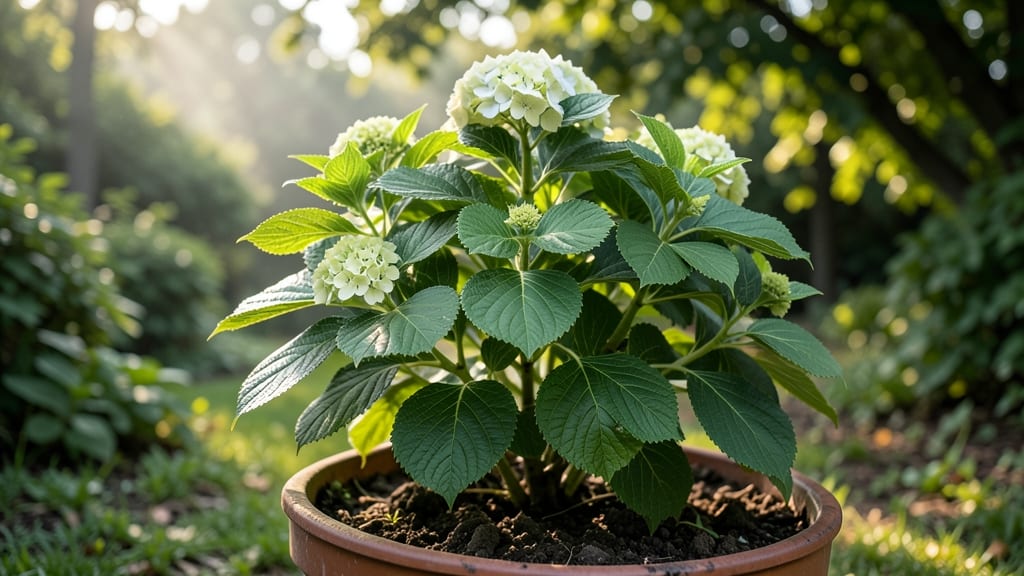
You can identify hydrangea by leaf—their oval shape, serrated edges, and prominent veins are your first clues. 🌿 I’ve spent years sorting through garden center plants, and these leaf traits alone can tell you if that lush bush is a hydrangea or something else entirely.
The key isn’t just the shape, but how the edges, veins, and even the leaf arrangement work together like a fingerprint.
Start by checking the leaf edges—hydrangeas typically have tiny, jagged teeth (like a saw blade) along the perimeter, not smooth or lobed edges. Then, look at the veins: they fan out from the midrib in a pattern that’s almost artistic.
Compare it to oak leaves (lobed) or philodendrons (heart-shaped with smooth edges), and you’ll spot the difference instantly.
Once you’ve confirmed it’s a hydrangea, the real magic begins. These leaf clues help you pick the right variety—bigleaf types have broader, glossier leaves, while oakleaf hydrangeas have deeply lobed, maple-like foliage that turns fiery red in fall.
Knowing the leaf tells you how much sun it craves, when to prune, and even how to troubleshoot pests.
Grab a magnifying glass and a sunny afternoon—this is the easiest way to avoid buying the wrong plant and ensure your hydrangea thrives. A few minutes of leaf detective work now saves hours of frustration later. Ready to become a leaf expert?
Understanding Leaf Traits in Hydrangeas
Hydrangea leaves vary dramatically—not just from species to species, but even within the same plant due to environmental and biological factors. If you’re trying to identify hydrangea by leaf, it helps to know why those leaves look the way they do.
Here’s a breakdown of the key reasons behind leaf shape, edges, and veins, so you can spot the patterns (and exceptions!) in the wild.
Every hydrangea’s leaf shape starts with its genetics. Just like how a maple leaf is distinct from an oak’s, hydrangea species and cultivars have inherited traits that dictate leaf structure. For example:
- Smooth vs. serrated edges: Some hydrangeas (like Hydrangea macrophylla) have dentate (toothed) edges due to genetic instructions for crenate (rounded teeth) or serrate (sharp teeth) margins. These traits are hardwired into their DNA.
- Oval vs. lance-shaped: The Hydrangea paniculata often has elliptical or lance-shaped leaves because its ancestors evolved in regions where broad leaves would lose too much water. Narrower leaves reduce surface area, aiding survival in drier climates.
- Vein patterns: The pinnate (feather-like) veins in most hydrangeas stem from their evolutionary adaptation to maximize sunlight absorption while maintaining structural integrity.
Actionable tip: If you’re comparing two hydrangeas with similar leaves, check their family lineage. Many hybrids (like H. ‘Endless Summer’) retain traits from parent plants, making leaf shape a reliable clue.
Leaves don’t just follow genetics—they adapt to their surroundings. Stress from light, water, temperature, or soil can warp what would otherwise be a "typical" hydrangea leaf. Here’s how:
| Stressor | Leaf Reaction | Example in Hydrangeas |
|---|---|---|
| ✅ Low light | Larger, thinner leaves with paler veins (to capture more light). | H. macrophylla grown in shade may develop broader, softer leaves compared to sun-exposed plants. |
| 💧 Drought | Smaller, thicker leaves with rolled or curled edges to conserve moisture. | H. arborescens (Oakleaf hydrangea) leaves may crinkle and darken under water stress. |
| ❄️ Cold temperatures | Leaves may purple or bronze (anthocyanin buildup) or develop irregular edges from frost damage. | Young H. quercifolia leaves in early spring can look lobed or jagged if frost hits before full growth. |
| 🌱 Poor soil nutrients | Yellowing (chlorosis) or stunted growth, often with uneven vein patterns. | Iron-deficient H. macrophylla may show yellow veins on green leaves—a classic sign of nutrient stress. |
Pro tip: If a hydrangea’s leaves look "off," compare them to a healthy plant of the same species. Environmental changes are usually temporary, while genetic traits stay consistent.
Not all leaf changes are natural—pests and pathogens can dramatically alter shape, texture, and color. Here’s how they mess with hydrangea foliage:
- 🐜 Leafhoppers or aphids:
- Cause curls, puckering, or stunted growth as they suck sap.
- Leaves may develop yellow spots or black sooty mold (a fungal hitchhiker).
- 🍄 Powdery mildew:
- Creates a white, powdery coating on leaves, often distorting edges into irregular, wavy shapes.
- Common in H. macrophylla when humidity is high.
- 🪰 Japanese beetles:
- Chewing leaves creates notched or skeletonized edges, mimicking environmental stress but with ragged, uneven damage.
- 🍃 Bacterial leaf spot:
- Produces water-soaked brown spots that can merge and deform leaf structure.
- Often seen in H. serrata (Mountain hydrangea).
✨ Key distinction: Pest/disease damage is usually localized (one branch or leaf) and progressive, while environmental stress affects the whole plant uniformly.
Now that you know why hydrangea leaves vary, you’re one step closer to mastering the art of identification by foliage. Next, we’ll dive into how to match leaves to specific species—no botanist degree required!
Quick Fixes for Leaf Issues
When your hydrangea’s leaves start telling a different story—whether it’s wilting, discoloring, or showing signs of pests—acting fast can save your plant. Below are practical, step-by-step solutions tailored to common problems, along with prevention tips to keep your hydrangea thriving. No green thumb required!
Cause: Overwatering, underwatering, or nutrient deficiencies (like iron or nitrogen) often show up as yellowing between veins or crispy brown edges.
How to Fix It: 🔥 Check the soil moisture – Stick your finger 1–2 inches deep. If it’s soggy, your hydrangea is drowning. If dry, it’s thirsty. 🍳 Adjust your watering – Hydrangeas prefer consistently moist (not soggy) soil. Water deeply 2–3 times per week (more in heat, less in rain). Use a well-draining pot if container-grown. 👨🍳 Fertilize smartly – Use a balanced, slow-release fertilizer (like 10-10-10) in spring and early summer. For yellowing from iron deficiency (common in alkaline soil), add chelated iron or sulfur to lower pH. 🥘 Prune damaged leaves – Snip off yellow/brown leaves with clean pruners to prevent disease spread.
Prevention Tips: ✨ Mulch like a pro – Apply 2–3 inches of organic mulch (like shredded bark) to retain moisture and regulate soil temp. 🌡️ Test your soil – Use a DIY soil test kit to check pH. Hydrangeas love acidic to neutral soil (5.5–6.5). 🎯 Water at the base – Avoid wetting leaves to prevent fungal infections like powdery mildew.
Cause: Slugs, snails, aphids, or Japanese beetles turn hydrangea leaves into their personal salad bar.
How to Fix It: 🔪 Handpick pests – Check leaves early morning (pests are sluggish then). Drop them into soapy water. 🥘 Spray homemade remedies –
- Aphids/mites: Mix 1 tsp dish soap + 1 quart water, spray undersides of leaves.
- Slugs/snails: Set out beer traps (bury a shallow dish filled with beer) or use iron phosphate bait (pet-safe).
- Japanese beetles: Handpick into soapy water or use neem oil spray (follow label).
⏰ Protect with barriers – Surround plants with copper tape (slugs hate it) or diatomaceous earth (for crawling insects).
Prevention Tips: 💡 Encourage predators – Attract ladybugs, birds, or frogs with a small water feature or native plants. 🔥 Prune regularly – Remove damaged leaves to reduce hiding spots for pests. 🌿 Plant companions – Interplant with mints, lavender, or marigolds to repel pests naturally.
Cause: Sudden wilting can mean root rot, underwatering, or heat stress. Hydrangeas hate being root-bound or exposed to scorching afternoon sun.
How to Fix It: 💦 Revive with a deep water – Soak the root zone until water drains from the bottom. If in a pot, place it in a tray of water for 10–15 mins. 🌡️ Move to shade – If leaves feel crispy or scorched, relocate to morning sun + afternoon shade (hydrangeas are shade-loving). 🌱 Check roots for rot – Gently remove the plant (if in a pot) and trim mushy, black roots with sterilized scissors. Repot in fresh, well-draining soil. 🍂 Trim back severely – If wilting is extreme, prune 1/3 of the plant to reduce stress.
Prevention Tips: ✨ Group plants together – Creates a microclimate with more humidity. 🎯 Avoid plastic pots – Use terracotta or fabric pots for better airflow. 💪 Water in the morning – Reduces evaporation and fungal risks.
Pro Tip: 🔥 When in doubt, observe the underside of leaves—pests, fungal spores, or early stress signs often hide there first!
Frequently asked questions
What’s the easiest way to tell if a leaf is from a hydrangea vs. an oak?
Look at the edges and veins! Hydrangea leaves have tiny, sharp teeth (like a saw blade) along the edges, while oak leaves are deeply lobed with rounded indentations. Also, hydrangea veins fan out smoothly from the midrib, while oak veins branch into each lobe. Compare them side by side—you’ll spot the difference instantly!
Can I identify hydrangea types just by looking at the leaves?
Bigleaf hydrangeas have broad, glossy leaves with rounded teeth, while oakleaf varieties show deeply lobed, maple-like foliage that turns fiery red in fall. Panicle hydrangeas often have lance-shaped leaves with pointed tips. Pro tip: Check the leaf arrangement—hydrangeas usually grow in opposite pairs along the stem.
Why do some hydrangea leaves look different on the same plant?
Environmental factors like light, water, or temperature can alter leaf shape. For example, shade-grown hydrangeas develop larger, softer leaves, while drought stress causes smaller, curled edges. If leaves look uneven, compare them to healthy plants of the same species—genetics stay consistent, but growth conditions don’t!
How do I know if a leaf is diseased vs. just stressed?
Pest/disease damage is usually localized and progressive (e.g., black spots from bacterial leaf spot or chewed edges from beetles), while stress affects the whole plant uniformly. Check leaf undersides—pests or fungal spores often hide there first. If in doubt, snap a photo and compare it to healthy leaves!