
Diseases
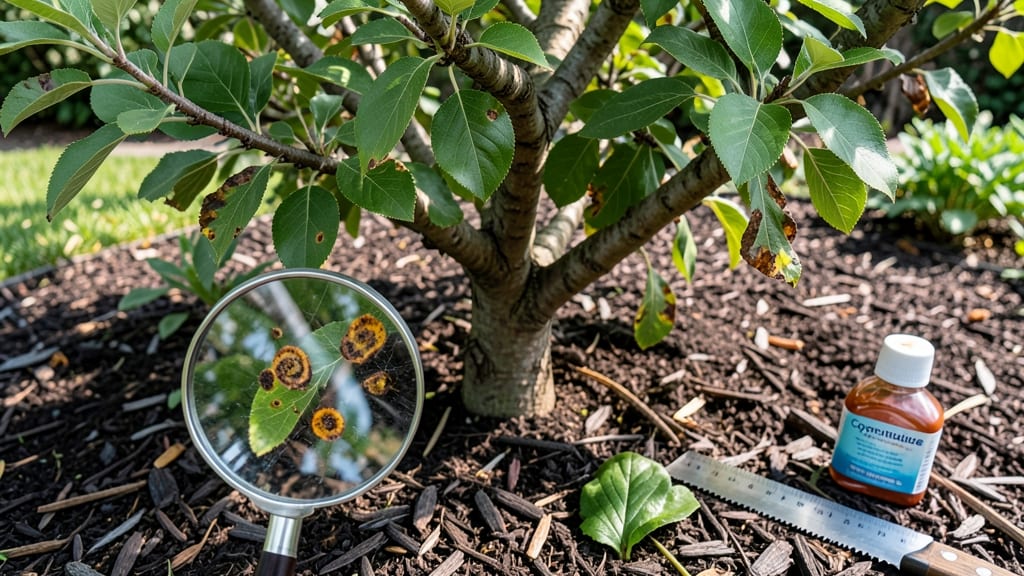
Plum tree leaf diseases can turn your tree’s lush green canopy into a sad, spotted mess in weeks—but catching them early means saving your harvest. 🌿 I’ve seen brown rot, powdery mildew, and leaf spot ruin plum trees before they even fruit, and the key to stopping them is spotting the warning signs fast.
The right treatment (organic or chemical) can revive your tree, but timing is everything.
Most fungal issues start with too much moisture—whether from rain, overhead watering, or poor airflow. Brown rot shows up as dark, mushy spots that spread like wildfire, while powdery mildew coats leaves in a chalky white film.
Leaf spot looks like tiny brown bullseyes, often with yellow halos. The good news? All three respond to pruning, fungicides, and better airflow once you know what you’re dealing with.
You’ll be able to stop the spread in 7-10 days with the right approach—pruning infected branches, applying copper fungicide, and adjusting watering habits. Preventive sprays in spring keep diseases at bay, and a few simple tweaks (like mulching properly) make your tree way more resilient next season.
Whether you’re dealing with a single branch or the whole tree, this guide cuts through the guesswork. We’ll cover what to spray, when to prune, and how to keep your plums healthy—so you can enjoy that summer harvest without the heartbreak of diseased leaves.
Root Causes Behind Leaf Troubles
Plum trees are stunning additions to any landscape, but their leaves can fall prey to a variety of fungal issues—often without obvious warning. Understanding why these problems arise is the first step to prevention and treatment.
Below, we break down the scientific triggers behind plum tree leaf diseases, so you can address them with confidence.
Fungal spores are everywhere in nature, but they only become problematic when conditions favor their growth. Plum trees are particularly vulnerable to pathogenic fungi like Taphrina pruni (peach leaf curl), Monilinia fructicola (brown rot), and Cladosporium carpophilum (fruit spot). These fungi thrive when:
- Moisture levels spike: Fungal spores germinate in damp conditions, especially after prolonged rain or overhead watering.
A single night of heavy dew can create the perfect breeding ground. - Poor air circulation: Dense foliage or overcrowded trees trap humidity, giving fungi a foothold. 🌡️ Pro tip: Prune branches to improve airflow and reduce fungal pressure. - Weakened tree defenses: Stressed trees (due to drought, poor soil, or nutrient deficiencies) are easier targets.
Fungi exploit these vulnerabilities like a burglar casing a house.
Key players:
| Disease | Primary Fungus | Leaf Symptoms |
|---|---|---|
| Peach Leaf Curl | Taphrina pruni | Thick, puckered, reddish-green leaves |
| Brown Rot | Monilinia spp. | Blotchy brown spots, leaf drop, mummified fruit |
| Fruit Spot | Cladosporium carpophilum | Dark spots with yellow halos on leaves/fruit |
Plum trees don’t just battle fungi—they’re also at the mercy of environmental factors that weaken their natural resistance. Here’s how external conditions set the stage for disease:
- Extreme temperature swings: Sudden cold snaps followed by warm, wet springs trigger fungal outbreaks. Taphrina pruni (peach leaf curl) is notorious for erupting in early spring when buds swell but nights remain chilly. - Overhead irrigation: Watering from above keeps leaves damp for hours, creating a fungal paradise. 💡 Fix it: Use drip irrigation or water at the base of the tree. - Compacted or poor soil: Trees struggling with root issues can’t absorb nutrients or water efficiently, making them prime targets.
Test your soil pH—plums prefer 6.0–7.0; amend with compost if needed.
Sometimes, well-meaning gardeners unintentionally invite fungal problems. Common culprits include: - Ignoring pruning hygiene: Tools contaminated with fungal spores can spread disease from one branch to another.
Always sanitize pruners with 70% isopropyl alcohol or bleach water (1 part bleach to 9 parts water). - Over-fertilizing: Too much nitrogen promotes lush, soft growth that’s more susceptible to fungal infections.
Balance your fertilizer with potassium and phosphorus to boost disease resistance. - Delaying cleanup: Leaving infected leaves, mummies (dried fruit), or fallen debris on the ground provides a winter home for fungi. Remove and dispose of (not compost) infected material promptly.
Plum trees aren’t just fighting fungi—they’re also battling secondary invaders that exploit weakened leaves: - Bacterial leaf spot: Often follows fungal damage, causing water-soaked lesions that ooze when wet. - Insect damage: Sap-sucking pests (like aphids or mites) create wounds where fungi can enter.
Keep an eye out for sticky residue (honeydew) or chewed leaves. - Nematodes: These microscopic worms attack roots, starving the tree and making it easier for fungi to take hold. Solarize infested soil or use beneficial nematodes (Steinernema spp.) as a natural remedy.
Fungal diseases don’t strike randomly—they follow a predictable schedule based on plum tree biology:
- Early spring: Taphrina pruni spores infect buds as they swell, leading to leaf curl by bloom time.
- Late spring/early summer: Monilinia spores spread during rainy periods, causing brown rot on leaves and fruit.
- Fall: Leftover fungal spores hitch a ride on mummified fruit, overwintering to attack next year’s growth.
🎯 Actionable insight: Time your fungicide applications (copper-based or neem oil) before symptoms appear—typically in late winter/early spring for peach leaf curl and after rain events for brown rot.
Fixing Fungal Foes on Your Plum Tree
Now that you know the culprits behind your plum tree’s leaf troubles, it’s time to roll up your sleeves and restore its health! The good news? Most fungal diseases are manageable with the right approach—prevention, early action, and consistency are your best tools.
Below, we’ll map out practical fixes for each common issue, plus pro tips to keep your tree thriving long-term.
Cause: Apiosporina morbosa (those ugly, black, knobby growths) Fix: 🔪 1. Prune Infected Branches
- Use sterilized pruners (wipe with rubbing alcohol between cuts) to remove all infected branches, including 6–12 inches below the knot (fungus spreads underground).
- Bag and dispose of infected wood in the trash—do not compost!
- Seal pruning wounds with pruning sealant to prevent secondary infections.
🌡️ 2. Apply Fungicide
- Spray copper fungicide (like Bordeaux mixture or copper sulfate) before bud break (early spring) and after harvest.
- For organic options, try neem oil or potassium bicarbonate spray (mix 1 tbsp per gallon of water + a drop of dish soap).
🌿 3. Boost Tree Health
- Water at the base (avoid overhead sprinkling to reduce spore spread).
- Mulch with wood chips (3–4 inches deep) to improve soil health and reduce stress.
💡 Pro Tip: If your tree is young (<5 years), remove and replace it—black knot is stubborn and can reinfect over time.
Cause: Monilinia fructicola (those mushy, brown leaves and fruit) Fix: 🧹 1. Sanitize the Area
- Rake and remove all fallen leaves, mummies (dried fruit), and debris—burn or trash them (do not compost).
- Clean tools with bleach water (1:10 ratio) or 70% isopropyl alcohol.
🍎 2. Prune for Airflow
- Thin out dense branches to improve airflow (fungus thrives in humidity).
- Remove any dead or crossing branches that trap moisture.
🚿 3. Fungicide Schedule
- Spray copper fungicide or myclobutanil-based fungicide (like Immunox) before bloom and every 10–14 days during fruit set.
- Post-harvest, apply a second round to protect next year’s fruit.
⏰ 4. Timing Is Everything
- Dormant season (late winter): Prune and apply fungicide.
- Bloom time: Spray again to protect flowers.
- After harvest: Clean up and spray preventatively.
💡 Pro Tip: If brown rot hits every year, consider resistant plum varieties like ‘Santa Rosa’ or ‘Larry Ann.’
Cause: Podosphaera oxyacanthae (that white, powdery dust on leaves) Fix: 🧼 1. Physical Removal
- Gently hose off infected leaves with water (use a strong stream to dislodge spores).
- For severe cases, wipe leaves with a damp cloth (wear gloves!).
🌿 2. Fungicide or Homemade Spray
- Store-bought: Sulfur-based fungicides (like Liqui-Cop) or neem oil (1 tbsp per quart of water + soap).
- DIY: Mix 1 tsp baking soda + 1 tbsp horticultural oil + 1 quart water—spray every 7–10 days.
🌡️ 3. Adjust Growing Conditions
- Water in the morning (avoid wet leaves at night).
- Space trees 6–8 feet apart for airflow.
- Avoid nitrogen-heavy fertilizers (they encourage soft, mildew-loving growth).
💡 Pro Tip: Reflective mulch (like white plastic) under trees can reduce mildew by 50% by bouncing sunlight onto leaves.
No matter the disease, healthy trees fight back better.
Here’s how to prevent future outbreaks: ✅ 🌱 Plant in full sun (6+ hours/day) – fungi love shade and dampness. ✅ 💧 Water deeply but infrequently – aim for 1–1.5 inches per week (drip irrigation > sprinklers). ✅ 🍄 Monitor regularly – check undersides of leaves and new growth weekly. ✅ 🛡️ Rotate fungicides – don’t use the same one every year (fungi adapt!). ✅ 🌿 Mulch properly – 3–4 inches of organic mulch (keep it 6 inches from the trunk).
If your tree is heavily infected (e.g., black knots on 50% of branches or fruit drop from brown rot), it may need professional help. An arborist can assess whether removal and replacement is the best option.
Remember: Patience and persistence pay off! With consistent care, your plum tree can bounce back—and next season, you’ll be enjoying juicy fruit instead of fungal frowns. 🍑✨
Frequently asked questions
What's the first sign that my plum tree has a leaf disease?
Watch for unusual spots or discoloration—most diseases start with tiny brown or yellow marks on leaf edges or undersides. For example, powdery mildew appears as white fuzzy patches, while leaf spot shows up as dark circles with yellow halos. Check both new and older leaves weekly during spring and summer.
Can I use the same fungicide spray for all plum tree diseases?
No—different diseases need different treatments. Copper fungicides work for black knot and brown rot, while sulfur-based sprays target powdery mildew. For organic options, neem oil helps with mildew and leaf spot, but baking soda spray (1 tsp baking soda + 1 quart water) is better for mildew prevention. Always rotate treatments to avoid resistance.
How long does it take to see improvement after treating a diseased plum tree?
With proper care, you should see noticeable improvement in 7-14 days, but full recovery can take several weeks. Prune infected branches immediately, then apply fungicide—new growth should appear healthier within 2-3 weeks. For severe cases like black knot, repeat treatments may be needed over multiple seasons to fully eliminate the fungus.
Is it safe to compost leaves from a diseased plum tree?
Never compost infected leaves—they can spread spores and reinfect your garden. Instead, bag and dispose of diseased foliage in the trash (or burn it if allowed in your area). Healthy leaves can be composted, but always separate them from any diseased material to prevent contamination.
Why does my plum tree keep getting the same disease every year?
Repeat infections usually mean favorable conditions persist—like poor airflow, overwatering, or leftover fungal spores in the soil. To break the cycle: prune for better airflow, water at the base (not overhead), and apply preventive fungicide in late winter before spores activate. Also consider resistant varieties if the problem continues.