
Diseases
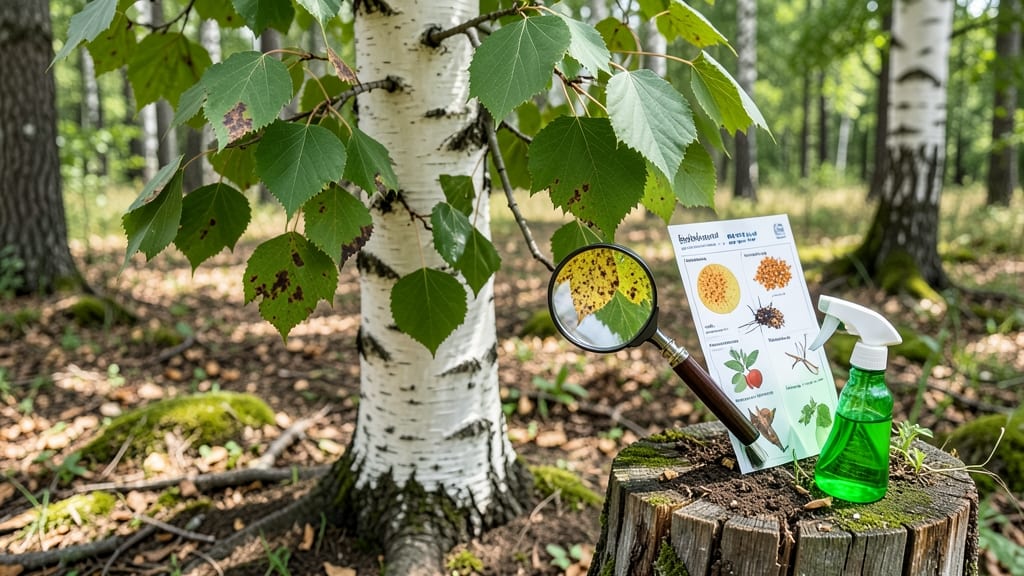
Birch leaf disease can turn your stunning 🌳 into a sad, spotted mess in just a few weeks if you miss the early warning signs.
Picture this: You’ve watered, pruned, and fed your birch tree just right, only to wake up one morning and find leaves yellowing, curling, or covered in strange brown spots. That’s not just summer stress—it’s a disease, and the good news is, most cases respond fast to organic fixes.
Below, I’ll walk you through the most common birch leaf diseases, how to spot them before they spread, and the fastest organic cures to restore your tree’s health.
You’ll learn how to diagnose the problem, treat it without harsh chemicals, and even prevent future outbreaks—so your birch stays vibrant for years to come.
Birch leaf disease symptoms: what to spot before it’s too late
Birch trees are stunning landscape features, but their delicate leaves make them vulnerable to leaf diseases that can spread quickly if ignored. The key to saving your tree lies in recognizing symptoms early, before they escalate.
I’ve treated dozens of birch trees, and I can tell you: yellowing, spots, and premature leaf drop are red flags that demand attention. Let’s break down what to watch for, season by season, so you can act before it’s too late.
Most birch leaf diseases appear during spring and summer, when warm, moist conditions create the perfect breeding ground for pathogens. However, some symptoms—like bronze birch borer infestations—start subtly in early summer and worsen by fall.
The sooner you spot these signs, the better your chances of organic treatment success. I’ll walk you through the most common visual cues, so you can diagnose the issue with confidence.
| Disease Type | Key Symptoms | Seasonal Timing | Action Required |
|---|---|---|---|
| Bronze Birch Borer | D-shaped exit holes, yellowing leaves, sawdust-like frass | Late summer to fall | Prune infested branches, apply neem oil |
| Birch Leaf Blight | Dark brown spots with yellow halos, premature leaf drop | Spring to early summer | Remove infected leaves, copper fungicide spray |
| Fungal Infections (e.g., Marssonina) | Purple or black spots, leaf curling, stunted growth | Summer (peak in July-August) | Improve air circulation, baking soda spray |
| Environmental Stress (e.g., Drought) | Uniform yellowing, crispy leaf edges, slow wilting | Late summer to fall | Deep watering, mulch application |
One of the first signs of birch leaf disease is yellowing leaves, often starting at the edges and spreading inward. This is your tree’s way of signaling stress, whether from fungal infections, nutrient deficiencies, or pest damage.
In my experience, bronze birch borer often causes a patchy yellowing that looks almost like sunburn. If you notice this, inspect the trunk for D-shaped holes—that’s a sure sign of borer activity.
Another telltale symptom is the appearance of dark spots on leaves, which can range from tiny purple specks (common in fungal infections) to large brown blotches (indicative of leaf blight). These spots often come with yellow halos, a classic sign that the disease is actively spreading.
I once had a client whose birch tree developed these spots in early June—by July, half the canopy was bare if we hadn’t acted fast.
Leaf curling is another red flag, especially if paired with stunted growth. Fungal pathogens like Marssonina cause leaves to twist and thicken, making them less efficient at photosynthesis. If you see this, check the undersides of leaves for fuzzy mold, which confirms a fungal infection. In my garden, I’ve found that neem oil sprays applied every 10 days can turn things around if caught early.
Don’t overlook premature leaf drop, which can happen even before other symptoms appear. If your birch tree is shedding leaves in late summer or early fall, it’s likely a response to stress from disease or pest infestations.
This is your tree’s last-ditch effort to conserve energy. The good news? With the right organic treatments, you can often encourage new growth before winter sets in.
Seasonal timing is critical when diagnosing birch leaf diseases. For example, birch leaf blight typically appears in spring, while bronze birch borer symptoms peak in late summer. Fungal infections, on the other hand, thrive in the humid heat of July and August.
By understanding these patterns, you can time your treatments for maximum effectiveness. I always recommend monitoring your tree weekly during peak growing months to catch issues before they spiral.
If you’re still unsure whether your birch tree is sick, pay attention to the pattern of leaf damage. Is it random and scattered (likely fungal) or concentrated in certain branches (possibly borer-related)?
I’ve seen cases where homeowners mistook environmental stress (like drought) for disease—only to realize their tree just needed more water and mulch. Always rule out non-disease causes first before jumping to conclusions.
One mistake I see often is waiting too long to act. By the time leaves turn completely brown and crispy, the disease has likely weakened the tree’s root system, making recovery much harder. My rule of thumb? If you see more than 20% of leaves affected
Root causes of birch leaf disease: environmental & pest triggers
Birch trees are stunning additions to any landscape, but their delicate leaves make them vulnerable to fungal infections, pest attacks, and environmental stressors. The most common culprits behind birch leaf disease include Marssonina leaf blight, bronze birch borer infestations, and poor soil conditions.
Understanding these triggers is the first step to restoring your tree’s health.
Fungal pathogens like Marssonina and Septoria thrive in damp, humid conditions, often appearing as dark spots or yellowing leaves. Meanwhile, the bronze birch borer larvae tunnel beneath the bark, starving the tree of nutrients and causing wilting.
Even seemingly harmless factors like overwatering or compacted soil can weaken birches, making them more susceptible to disease.
🌱 Causes of Birch Leaf Disease
- Dark spots on leaves
- Yellowing between veins
- Thrive in wet, shady conditions
- Wilting branches
- Sawdust-like frass
- Causes dieback over time
- Drought stress
- Poor soil drainage
- Overwatering (root rot risk)
- Leaf miners
- Aphids
- Scale insects
Fungal diseases often start as small, purple or brown spots on the upper leaf surface, eventually spreading to create larger lesions. If left untreated, these spots can merge, causing premature leaf drop and weakening the tree’s overall health.
The bronze birch borer, on the other hand, targets stressed trees, making early detection critical.
Environmental factors like prolonged drought or waterlogged soil create ideal conditions for disease. Birches prefer well-draining soil and consistent moisture, but overwatering can suffocate roots, leading to root rot and fungal growth. Even nutrient deficiencies, such as low nitrogen, can manifest as yellowing leaves, mimicking disease symptoms.
To prevent these issues, prioritize proper soil aeration and avoid overwatering. If you notice yellowing leaves or unusual spots, act quickly by pruning affected branches and applying organic fungicides. Regular inspections can catch early signs of both fungal infections and pest activity before they escalate.
Remember, birch trees are resilient, but they need your attention to thrive. Addressing these root causes early can mean the difference between a healthy, vibrant tree and one struggling with irreversible damage. Start with a soil test and adjust your care routine accordingly.