
Pests and Diseases
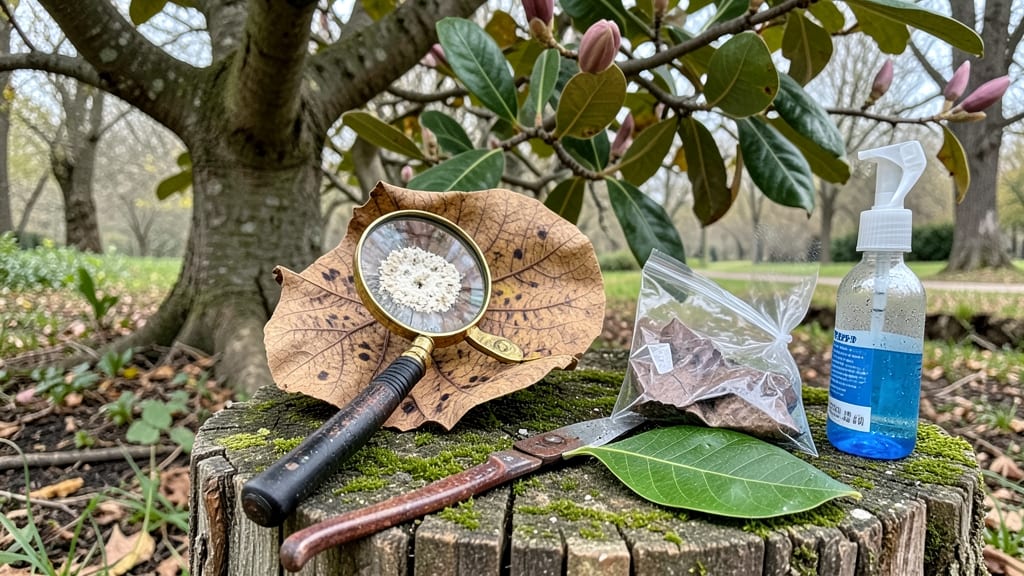
That first sight of brown spots on the magnolia tree leaf disease sent me into panic mode—until I learned to spot the difference between fungal infections and harmless stress. 🌿 The key is acting fast, because once those spots spread, your tree’s summer show gets ruined before it even starts.
I’ll show you how to tell powdery mildew from bacterial leaf spot (yes, there’s a trick), plus the exact treatments that stop the spread in its tracks.
Most leaf diseases on magnolias start with poor air circulation—crowded branches or wet foliage for too long. Powdery mildew leaves a white, fuzzy coating, while bacterial spots look like water-soaked holes that turn brown and crispy. The good news?
Both respond to copper fungicide sprays (organic option) or neem oil, but timing matters—apply when leaves are dry and temperatures stay above 50°F. Prune out infected branches immediately to prevent the whole tree from becoming a disease buffet.
You’ll see improvement within 2-3 weeks if you catch it early, with new leaves emerging clean and vibrant. The real secret? Prevention—space your tree properly, water at the base (not overhead), and clean up fallen leaves where spores love to hide.
I’ve saved three magnolias this way, and yours can be next if you act now.
Still not sure if it’s disease or pests? Check for chewed edges (pests) or yellowing between veins (nutrient issues). We’ll cover those tricks too, so you don’t waste time on the wrong fix. Let’s get your magnolia back to its glory before the next rainstorm rolls in.
Why it happens
Magnolia trees are stunning additions to any landscape, but their lush foliage can quickly turn into a sad spectacle when leaf diseases strike. 🌿💔 Understanding why these issues arise is the first step toward prevention and treatment.
Below, we break down the key culprits behind magnolia leaf diseases—from microscopic invaders to environmental stressors—and explain how they wreak havoc on your tree.
🍄 Fungal Infections: The Silent Invaders
Fungi are the most common cause of magnolia leaf disease, thriving in warm, humid conditions. These organisms release spores that land on leaves, germinate, and spread rapidly. Some of the most notorious fungal offenders include:
- Anthracnose: Caused by the fungus Gloeosporium, this disease appears as dark, sunken lesions with yellow halos on leaves. It spreads via wind, rain, or contaminated tools, especially in wet springs.
- Powdery Mildew: A white, powdery coating on leaves, caused by fungi like Podosphaera. It thrives in shady, humid environments and weakens the tree by blocking sunlight.
- Target Spot: Named for its bullseye-like lesions, this disease (caused by Coryneum beijerinkii) appears in late summer and can defoliate branches if left unchecked.
Why it happens: Fungi exploit stressed trees—those with poor air circulation, overwatering, or nutrient deficiencies. Spores latch onto leaves, penetrate the tissue, and consume plant cells for energy, leading to discoloration, wilting, or premature leaf drop.
🌡️ Environmental Stressors: Setting the Stage
Magnolias are hardy, but they’re not immune to environmental abuse. When conditions veer from ideal, your tree’s defenses weaken, making it vulnerable to infections. Key triggers include:
- Poor Airflow: Dense foliage or crowded plantings trap moisture, creating a fungal paradise. Stagnant air prevents leaves from drying quickly after rain.
- Overwatering or Underwatering: Soggy soil invites root rot and fungal growth, while drought stress weakens the tree’s ability to fight off pathogens.
- Extreme Temperatures: Sudden heatwaves or late frosts shock the tree, making it susceptible to diseases like canker or leaf spot.
- Improper Pruning: Cutting at the wrong time (e.g., during wet seasons) or using contaminated tools can introduce spores directly into wounds.
Why it happens: Stress signals (like ethylene gas released during drought) suppress the tree’s immune response. Without proper care, magnolias become easy targets for opportunistic fungi and bacteria.
🐜 Pests and Secondary Damage
While pests like scale insects, spider mites, or Japanese beetles don’t directly cause leaf diseases, they weaken the tree by feeding on sap or leaves. This damage creates entry points for pathogens. For example:
- Scale Insects: Their sticky honeydew attracts sooty mold, a black fungal growth that smothers leaves.
- Spider Mites: They puncture leaf cells, making the tree more prone to fungal infections like powdery mildew.
Why it happens: Pests compromise the leaf’s protective waxy cuticle, allowing water and spores to penetrate more easily. A single infestation can turn a healthy magnolia into a disease magnet within weeks.
🌱 Cultural Mistakes: Human Errors
Sometimes, the problem isn’t nature—it’s us. Common gardening oversights can accelerate leaf diseases, including:
- Ignoring Mulch Depth: Thick mulch layers (over 3 inches) smother roots and trap moisture, promoting fungal growth.
- Using Infected Tools: Pruners or shears contaminated with fungal spores can spread disease from one cut to another.
- Planting in Poor Locations: Magnolias need 6+ hours of sunlight and well-draining soil. Shady, waterlogged spots encourage fungal blooms.
- Skipping Fertilization: Nutrient deficiencies (especially nitrogen or iron) weaken leaves, making them less resistant to pathogens.
Why it happens: These mistakes disrupt the tree’s natural balance, creating conditions where fungi and bacteria can thrive uncontrollably. A single oversight—like watering at night—can turn a minor issue into a full-blown outbreak.
Fixing Fungal Leaf Issues Fast
Once you’ve identified the fungal culprit behind your magnolia’s leaf troubles, it’s time to act! The good news? Most fungal diseases respond well to targeted treatments—especially if caught early.
Below, we’ve mapped out practical, step-by-step solutions for the most common leaf diseases, along with prevention tips to keep your tree thriving long-term.
Cause: Erysiphe or Microsphaera fungi thrive in humid, shaded conditions, creating that telltale white powdery coating.
How to Fix It: ✅ 🔥 Remove Infected Foliage
- Snip off heavily infected leaves (don’t compost them—toss in the trash).
- Focus on lower branches first, where humidity lingers.
✅ 🍳 Homemade Fungicide Spray Mix 1 tbsp baking soda + 1 tbsp horticultural oil + 1 tsp dish soap + 1 gallon water. Spray both sides of leaves at dawn or dusk (avoid midday sun). Reapply every 7–10 days until symptoms fade.
✅ 👨🍳 Improve Airflow
- Prune dense branches to increase sunlight penetration.
- Space plants 3–5 feet apart if growing multiple magnolias.
💡 Pro Tip: Neem oil (1% solution) is another great organic option—spray weekly for prevention.
Cause: Colletotrichum fungi cause dark, sunken spots with yellow halos, often in wet springs.
How to Fix It: ✅ 🔪 Prune Aggressively
- Cut out all spotted leaves and twigs (sterilize pruners with rubbing alcohol between cuts).
- Dispose of debris far from the tree to prevent reinfection.
✅ 🥘 Fungicide Application
- Use a copper-based fungicide (like Copper Soap) or propiconazole (for severe cases).
- Apply before buds swell in early spring and again after rain.
✅ 🌡️ Adjust Watering Habits
- Water deeply but infrequently (early morning is best).
- Avoid overhead sprinklers—water at the base instead.
💡 Pro Tip: Mulch properly (2–4 inches of organic mulch, keep it 6 inches from the trunk) to regulate soil moisture.
Cause: Corynespora or Phyllosticta fungi create bullseye-like spots with gray centers and red borders.
How to Fix It: ✅ 🍳 DIY Fungicide Blend Mix 1 tbsp potassium bicarbonate + 1 tsp liquid soap + 1 gallon water. Spray weekly until new growth is disease-free.
✅ 👨🍳 Thin the Canopy
- Remove overlapping branches to reduce humidity.
- Thin out lower branches where spores settle.
✅ ⏰ Strategic Pruning
- Prune in late winter (before new growth) to remove infected wood.
- Sterilize tools with bleach solution (1:10 bleach:water) after each cut.
💡 Pro Tip: Reflective mulch (like aluminum foil under mulch) can reduce fungal spores by reflecting sunlight.
No one likes repeat visitors! Here’s how to break the fungal cycle for good:
| Problem | Prevention Hack | Frequency |
|---|---|---|
| Humidity Buildup | Install a soil moisture sensor + adjust irrigation. | Seasonal check-ups |
| Poor Airflow | Raise the tree (if in a container) or prune strategically. | Once a year |
| Old Debris | Fall cleanup: Rake and remove all leaf litter. | After each season |
| Overhead Watering | Switch to drip irrigation or soaker hoses. | Immediate fix |
| Stress from Overwatering | Test soil moisture before watering—stick your finger in! | Weekly in dry spells |
If your magnolia’s leaves keep dying despite treatment, or if the disease spreads to trunk or roots, consult an arborist. Some advanced cases (like Phytophthora root rot) require soil drenches or systemic fungicides.
Remember: Fungal diseases love weak trees. Keep your magnolia well-fed, hydrated, and stress-free, and it’ll bounce back faster than you think! 🌟
Frequently asked questions
Why do magnolia leaves develop brown spots even after pruning infected branches?
Brown spots often persist because fungal spores remain on nearby surfaces or in the soil. Even after pruning, spores can reinfect new growth if humidity stays high. Always sterilize pruners with rubbing alcohol, remove fallen leaves, and apply a fungicide like neem oil to break the disease cycle.
Can I use regular dish soap to treat fungal diseases on magnolia leaves?
Yes, but with caution! Mix 1 teaspoon mild dish soap + 1 quart water for a gentle spray that helps fungicides stick to leaves. Never use harsh detergents—they can damage the leaf surface. Combine with baking soda (1 tbsp) for extra antifungal power, but always test on a small leaf first.
How do I tell if my magnolia has powdery mildew vs. nutrient deficiency?
Powdery mildew shows as a white, fuzzy coating on leaf tops and bottoms, while deficiencies cause yellowing between veins (iron/chlorosis) or purple stems (phosphorus). Check undersides of leaves—mildew thrives there, but deficiencies don't. A soil test confirms nutrient issues.
Is it safe to use copper fungicide during flowering season?
Copper can harm pollinators if applied while flowers are open. Wait until after blooming (typically late spring) to use copper-based sprays. For immediate treatment, opt for neem oil or potassium bicarbonate—both are safer for flowering trees and equally effective against early-stage fungal infections.
Will my magnolia recover if most leaves are already brown and crispy?
Partial recovery is possible if the tree itself is healthy. Prune all dead branches, apply fungicide, and focus on root health (water deeply but less frequently). New leaves will emerge from buds—just don't expect full regrowth if the canopy was severely affected. For severe cases, consult an arborist about soil amendments.