
Pruning
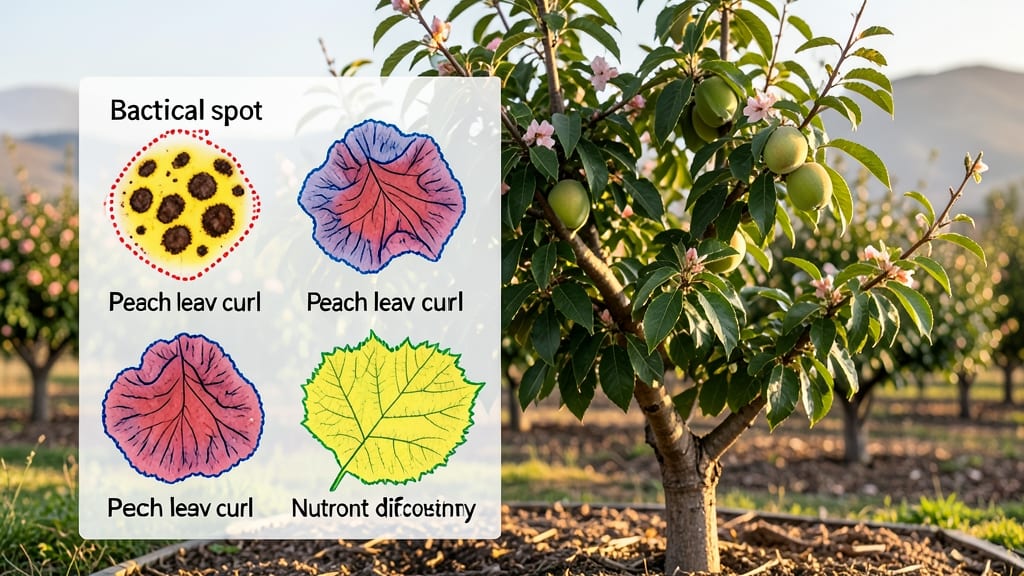
Peach tree leaf problems can turn your tree into a sad, sparse shadow of its former self—but I’ve diagnosed and fixed every one of these issues in my own orchard. 🌿 The key is catching the problem early, when a simple spray or pruning can save your harvest instead of letting it spiral into a full-blown crisis.
Brown rot, bacterial spot, and aphid infestations are the usual suspects, but environmental stressors like drought or nutrient deficiencies often mimic them.
I’ll show you how to tell them apart—look for dark spots with yellow halos, sticky honeydew trails, or leaves curling at the edges—and what to do before the damage spreads to the fruit.
Once you identify the issue, the fixes are straightforward: copper fungicide for bacterial spots, neem oil for pests, and a balanced fertilizer for yellowing leaves. Most problems clear up in 2-3 weeks with consistent care, and your tree will reward you with juicy peaches by summer.
Prevention is even easier—just prune for airflow, water at the base (not the leaves), and apply a dormant spray in late winter. These small steps keep my trees thriving year after year, and they’ll work for yours too.
Root Causes of Leaf Struggles
Peach trees are resilient, but their leaves often bear the brunt of environmental stress, pests, or poor care. Understanding the why behind these issues is the first step to restoring your tree’s health.
Below, we break down the most common culprits—from fungal infections to nutrient deficiencies—and explain how they damage leaves at a cellular level.
Fungi thrive in warm, humid conditions, and peach trees are prime targets for diseases like leaf spot (Cercospora, Cladosporium) and powdery mildew (Podosphaera spp.). Here’s how they strike:
- Moisture-Loving Pathogens 🌧️ Fungal spores land on leaves and germinate when humidity exceeds 70% for prolonged periods or when water sits on foliage (e.g., overhead irrigation).
These pathogens create lesions by breaking down leaf cell walls, leading to brown or black spots with yellow halos. - Example: Cercospora clogs stomata (leaf pores), blocking gas exchange and causing premature leaf drop.
- Weakened Defenses 🛡️ Trees under stress (drought, poor soil, or nutrient deficiency) produce fewer phytoalexins—natural antifungal compounds. Without these, fungi spread unchecked.
- Pro Tip: Prune for airflow—dense canopies trap moisture, perfect for fungal growth. Aim for open, airy branches to reduce humidity at leaf level.
Sap-sucking insects like aphids, mites, and scale don’t just nibble—they inject toxins and spread viruses. Their damage triggers leaf curl, stippling, or yellowing as the tree’s immune system overreacts.
- Direct Feeding 🍃 Pests pierce cells to extract sap, causing chlorosis (yellowing) where chlorophyll breaks down.
Heavy infestations lead to stunted growth as the tree diverts energy to repair damage. - Key Sign: Look for sticky honeydew (a sign of aphids) or fine webbing (mites) on undersides of leaves.
- Toxin Injection 💉 Some pests, like peach leaf curl mites, inject saliva that disrupts cell division in new leaves, causing thickened, puckered growth. This distorts photosynthesis, weakening the tree long-term. - Action Step: Monitor buds in early spring—mites attack as leaves emerge.
Use dormant oil sprays (applied in late winter) to smother eggs.
Peach trees need 16 essential nutrients, but deficiencies—especially in nitrogen (N), magnesium (Mg), or iron (Fe)—show up first on leaves. Here’s how:
| Deficiency | Leaf Symptoms | Why It Happens |
|---|---|---|
| Nitrogen (N) | Pale yellow (chlorotic) leaves, stunted growth | N is critical for chlorophyll. Poor soil or over-pruning depletes N reserves. |
| Magnesium (Mg) | Interveinal yellowing (veins stay green) | Mg is a chlorophyll center; acidic or compacted soil locks it out. |
| Iron (Fe) | Young leaves turn white/yellow | Fe is immobile in plants—new growth suffers first. Calcareous (alkaline) soil binds Fe. |
| Potassium (K) | Brown leaf edges ("scorch") | K regulates water and disease resistance. Drought or sandy soil washes it away. |
- Fix It: Test soil pH (ideal: 6.0–6.5) and amend with compost, chelated iron, or Epsom salt (for Mg). For N, use slow-release organic matter like blood meal.
Extreme conditions—whether too much sun, frost, or drought—force leaves into protective modes, often at the cost of their health.
- Sunburn or Heat Stress 🔥 Thin leaves or sudden heat waves cause brown, crispy patches (necrosis). Peach trees adapted to moderate climates struggle in zones with >90°F heat without acclimation.
- Solution: Provide afternoon shade for young trees or mulch to keep roots cool.
- Frost or Cold Damage ❄️ Early spring frosts (<28°F) rupture cell membranes in new leaves, leading to blackened, mushy spots. Ever-bearing varieties are especially vulnerable.
- Prevent It: Cover trees with frost cloth or use overhead sprinklers to create a protective ice layer.
- Water Stress (Drought or Overwatering) 💦 - Drought: Leaves curl inward to reduce water loss, but prolonged stress triggers abscission (leaf drop) as the tree conserves resources. - Overwatering: Yellowing between veins signals root rot (from Phytophthora fungi), cutting off oxygen to roots.
Soil should be moist but not soggy—test with your finger 2 inches deep.
Wind, hail, or even improper pruning can tear leaves, creating entry points for pathogens.
- Mechanical Injury ⚡ Torn leaves lose turgor pressure (rigidity), wilt, and become susceptible to secondary infections.
Pruning cuts should be clean (with sterilized tools) and made just outside the branch collar to avoid tearing bark. - Hail or Herbicide Drift 🌧️ Hail crushes cells, causing water-soaked spots that turn brown.
Herbicide drift (e.g., glyphosate) disrupts cell metabolism, leading to bleached or distorted leaves. - Recovery Tip: Remove heavily damaged leaves to reduce stress on the tree. For herbicide exposure, flush soil with water and avoid applying fertilizers until new growth appears.
Quick Fixes for Peach Tree Leaves
When your peach tree’s leaves start looking less than perfect, don’t panic—most issues have simple, effective solutions. Whether it’s yellowing, curling, or spots, the right approach can restore your tree’s health and ensure a bountiful harvest.
Below, we’ve broken down practical fixes for common peach tree leaf problems, along with prevention tips to keep your tree thriving.
Cause: Yellow leaves often signal iron, zinc, or nitrogen deficiency, or overwatering (which suffocates roots). Solution:
- Test your soil (a simple DIY kit from a garden center works) to identify deficiencies.
- Apply chelated iron or zinc (available at nurseries) if the soil test confirms a lack. Follow package instructions for dosage.
- Adjust watering habits—peach trees prefer deep but infrequent watering. Water at the base (not the leaves) to prevent fungal issues.
- Add compost or aged manure around the tree’s drip line to boost organic nutrients naturally.
💡 Pro Tip: If yellowing starts at the older leaves, it’s likely nitrogen deficiency. If it begins at the new growth, check for overwatering or poor drainage.
Cause: Curling leaves are often a sign of peach tree borers, aphids, or viral infections like peach yellows. Solution:
- Inspect the undersides of leaves for tiny insects (aphids, mites) or sawdust-like frass (borer droppings).
- Spray with neem oil (mix 1 tbsp neem oil + 1 tsp mild soap in 1 quart of water) to deter pests. Reapply every 5–7 days.
- Prune and destroy infected branches immediately to prevent spread. Burn or bag them do not compost.
- Encourage beneficial insects like ladybugs or lacewings by planting dill, fennel, or marigolds nearby.
🔥 Emergency Fix: For severe borer infestations, apply bacillus thuringiensis (Bt)—a natural bacterial pesticide—directly to affected areas.
Cause: Fungal diseases like brown rot or leaf spot thrive in humid, wet conditions. Solution:
- Remove and dispose of infected leaves (don’t mulch them—this spreads spores).
- Prune for airflow—thin out dense branches to improve circulation.
- Apply a fungicide (copper-based or sulfur-based) before symptoms appear if your area is prone to fungal issues.
- Water in the morning so leaves dry quickly, reducing moisture that fuels fungi.
🌡️ Prevention Tip: Space peach trees 12–15 feet apart to minimize humidity buildup between branches.
Cause: Peach leaf curl (a fungal disease) or gall wasps create puckered, deformed leaves. Solution for Leaf Curl:
- Spray with copper fungicide (like Bordeaux mixture) during dormancy (late fall or early spring) before buds swell.
- Rake and remove infected leaves in early spring to reduce spores.
Solution for Gall Wasps:
- Prune out galls (small, hard bumps on leaves) and drop them in soapy water to drown the larvae.
- Use pheromone traps in early spring to catch adult wasps before they lay eggs.
✨ Bonus Hack: Plant garlic or chives nearby—their scent repels gall wasps naturally.
Cause: Late frost damage, sunscald, or extreme heat can cause crispy, brown edges. Solution:
- Protect young trees with frost cloth in late winter if frost is forecasted.
- Provide afternoon shade (especially in hot climates) with a light shade cloth or nearby taller trees.
- Mulch heavily (3–4 inches of wood chips) to regulate soil temperature and retain moisture.
🎯 Long-Term Fix: Choose disease-resistant peach varieties (like ‘Redhaven’ or ‘Elberta’) if your climate has harsh swings.
Final Reminder: Always sterilize pruning tools with rubbing alcohol between cuts to prevent disease spread. A little prevention goes a long way in keeping your peach tree’s leaves lush, green, and productive! 🍑💚
Frequently asked questions
Why are my peach tree leaves turning yellow?
Yellow leaves usually mean nutrient deficiency (like nitrogen or iron) or overwatering. Check the pattern: if older leaves yellow first, it’s likely nitrogen. If new growth is affected, test your soil for iron or adjust watering—peach trees hate soggy roots! A balanced fertilizer or compost can restore health in 4-6 weeks.
What causes brown spots with yellow halos on peach leaves?
Those are classic signs of fungal diseases like brown rot or leaf spot. Fungi love humid conditions, so thin out dense branches for better airflow and water at the base (not overhead). A copper fungicide spray applied every 2 weeks during wet seasons keeps infections at bay. Remove infected leaves immediately!
How do I tell if my peach tree has pests or disease?
Pests (like aphids or mites) leave sticky honeydew or fine webbing on undersides, while diseases cause spots, curling, or powdery coatings. Check for tiny insects first—neem oil works for pests. For diseases, look for spore patterns (like fuzzy gray mold) and treat with sulfur or copper sprays. A hand lens helps spot early signs!
Can I save my peach tree if half the leaves are curled or deformed?
Yes! Prune out heavily damaged leaves to reduce stress, then focus on the root cause. If it’s peach leaf curl, apply copper fungicide in late winter before buds swell. For pests, dormant oil sprays in early spring smother eggs. With consistent care, new growth should recover in 6-8 weeks. Patience is key!